
Last updated October 30, 2026
 Home additions & ADU
 Kitchen remodeling
 Bathroom remodeling
 Roofing
 Windows & doors
 Driveway & pavers
 Fence
Free written scope consultation - allowances, timeline, and change-order rules on paper before a single trade is scheduled
Seasonal Construction Care for Indio: Year-Round Homeowner’s Guide
Here’s a number that surprises most Indio homeowners: the Coachella Valley receives about 3 inches of rain annually, yet most of it falls during a six-to-eight-week monsoon window between July and September. That water lands on caliche soil so compacted it sheds rather than absorbs. The runoff has to go somewhere. In our experience, it goes under slab edges, into unsealed stucco joints, and through window flashing that looked fine in March. This guide—along with our Complete Guide to Construction in Indio—explains how to schedule exterior maintenance, repairs, and renovations around Indio’s three actual construction seasons: the pre-summer window, the monsoon response period, and the mild winter stretch when certain projects finally become viable. Read it before you sign a contract or pick up a paint roller.
Quick Answer
Seasonal construction care in Indio, CA means scheduling exterior envelope work (roof recoating, painting, concrete flatwork) between March and May before surface temperatures exceed product application limits, preparing drainage and stucco joints for monsoon season in June and July, assessing water damage every October after the rains stop, and reserving the November through February mild-weather window for projects that require controlled cure temperatures like pool replastering and tile setting. For a deeper look at managing these phases, see our Complete General Contractor Guide for Indio Homeowners. Homeowners who treat Indio’s calendar like a four-season climate miss the two real deadlines that matter: getting coatings on before the heat arrives, and getting drainage clear before the monsoons do.
Styles & brands we work with
Table of Contents
- The Pre-Summer Window: March Through May
- Monsoon Preparation: June and July
- Post-Monsoon Assessment: October
- The Winter Mild-Weather Advantage: November Through February
- Scheduling a Multi-Phase Project Around Indio’s Seasons
- Material Considerations for Desert Construction
- Common Mistakes to Avoid
- When to Call a Professional
The Pre-Summer Window: March Through May
Between March and May, Indio daytime highs typically range from the mid-70s to the mid-90s. That is not just comfortable weather. It is the last stretch of the year when surface temperatures stay below the application limits printed on most exterior coating product data sheets. Elastomeric roof coatings, exterior acrylic paints, concrete sealers, and most caulks and flashing adhesives specify application between 50°F and 90°F surface temperature. By June, a south-facing wall in Indio can hit 140°F by noon even when the air reads 98°F. A coating applied to a 140°F surface skins over too fast, loses adhesion, and fails within one or two seasons. We have seen this happen with expensive roof recoats that looked perfect for the first six months and then peeled at the laps.
This March through May window is the only viable time to schedule these projects in Indio:
- Elastomeric roof recoating: This is the single highest-value exterior maintenance item for a flat or low-slope roof in the Coachella Valley. A properly applied elastomeric system from a manufacturer like GAF or CertainTeed reflects UV, reduces cooling load, and buys five to ten years of service life. The window to apply it closes fast once overnight lows stay above 80°F.
- Exterior painting: Acrylic latex paint needs time to cure before surface temperatures spike. Paint applied in late May on a west-facing elevation may still cure poorly. Aim for March and early April whenever possible.
- Concrete flatwork: New concrete poured in summer heat flash-sets, cracks, and loses compressive strength. Patios, walkways, and driveways scheduled before Memorial Day cure properly. If you are planning a paver project with materials from Belgard or Techo-Bloc, the base compaction and sand setting also favor moderate temperatures.
- Stucco repair and re-texturing: Stucco patch material requires slow, even curing. Hot, dry conditions pull moisture out of the patch too quickly and create shrinkage cracks around the repair perimeter.
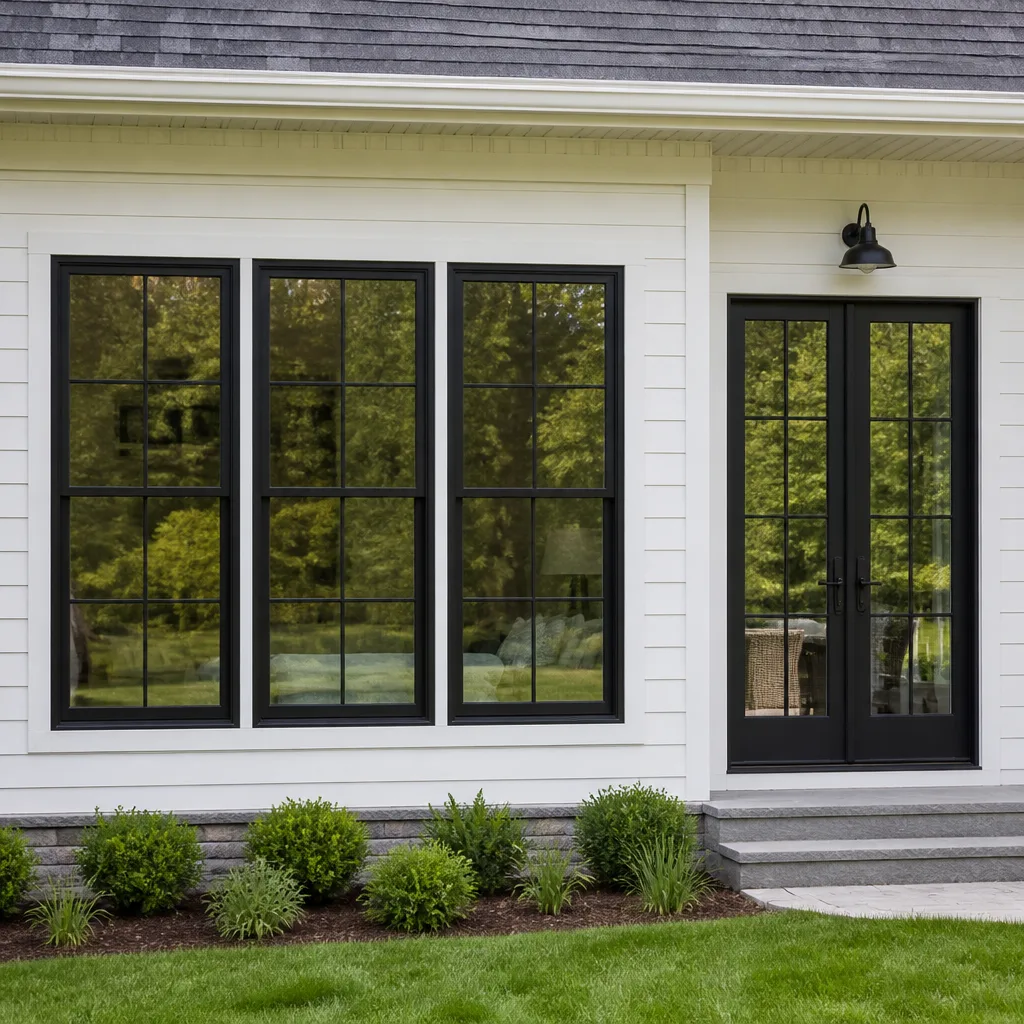
- Window and door replacement: Removing existing fenestration and installing new units from PGT or Therma-Tru involves flashing, sealant, and foam work that performs better in mild conditions. Once outside air hits 105°F, sealant tooling time drops and the margin for error shrinks.
The pre-summer window is not just about comfort. It is about product chemistry. A homeowner in Indio who misses the March-to-May application window on a roof recoat has effectively deferred the project to the following spring or accepted a shortened service life. That is a cost decision, not a scheduling detail.
Monsoon Preparation: June and July
Monsoon season in Indio is not a suggestion. Between July and September, the Coachella Valley gets most of its annual rainfall in short, intense bursts driven by Gulf of California moisture. These storms drop an inch of rain in under an hour, and the compacted desert soil cannot absorb it. Water sheets across the surface and finds the lowest point. If the lowest point is against your foundation, that is where it goes.
Preparing a home for monsoon season in Indio means addressing four systems in June and early July, before the first real storm:
- Stucco joint inspection and sealing: Walk the entire perimeter of the home and look at every control joint, expansion joint, and plane transition where stucco meets wood, metal, or concrete. Indio’s temperature swings open these joints over time. If you can fit a credit card into a stucco crack, water can enter. Seal with an elastomeric caulk rated for exterior stucco. Do not use silicone. It will not flex with the stucco’s thermal movement.
- Area drain clearing: Indio homes with hardscape rely on area drains to move stormwater away from the structure. These drains clog with wind-blown sand, palm fronds, and debris between storms. Clear every drain grate, pull the basket, flush the line with a garden hose, and verify water is actually leaving the pipe. A drain that accepts water but backs up under load is worse than no drain because it concentrates water at the structure.
- Window flashing check: Check the head flashing above every window and door. Look for gaps between the flashing and the wall plane, failed sealant beads, or lifted edges. A window can leak for years before the damage shows on the interior, and by then the framing is compromised. This is the kind of concealed defect we find during home renovation in Indio when walls come open.
- Roof scupper and downspout verification: Flat and low-slope roofs in the valley drain through scuppers, not gutters. Verify every scupper is clear of debris and every downspout extension carries water at least three feet from the foundation. Extensions that have shifted or been kicked out of place defeat the entire drainage system.
Monsoon damage in Indio is rarely catastrophic. It is usually incremental: water reaches the sill plate, wicks upward, and creates conditions for termites, mold, and dry rot that go unnoticed until a remodel exposes it. The preparation work costs a few hundred dollars. The remediation regularly costs five figures.
Post-Monsoon Assessment: October
By mid-October, the last monsoon activity has usually cleared out of the Indio basin and the humidity drops back into single digits. This is the right time to walk the property and document what the storms did. Do not wait until spring. Water damage shows itself most clearly in the first few weeks after saturation, before the desert air dries everything out and hides the evidence.
Here is what to look for during a post-monsoon assessment in Indio:
- Efflorescence on block walls: White, powdery mineral deposits on the surface of concrete block walls mean water has moved through the wall assembly. Efflorescence itself is cosmetic, but it tells you the wall is getting wet. On a retaining wall, the water is coming from behind. On a house wall, it is coming from above or through failed stucco. Mark the locations and trace the water source. If it reappears after the next rain, the wall needs drainage or sealant work.
- Settled hardscape: Monsoon runoff erodes the sand and base material under pavers, walkways, and slab edges. Look for lippage between adjacent pavers, new depressions in walkways, or gaps at the transition where hardscape meets the foundation. A paver that drops half an inch in one season will drop another half inch next season if the base is not addressed.
- Moisture intrusion at slab transitions: Walk the interior perimeter of the home and look for staining at the bottom of drywall, soft baseboards, or a musty smell in rooms on the prevailing storm side. Slab-on-grade construction in Indio means water can wick under the slab edge and migrate inward. This is slow damage, but it never self-corrects.
- Roof membrane blisters or laps: Get on the roof or have a professional inspect it. Monsoon sun followed by sudden saturation can cause elastomeric coatings to lose bond at the laps. Blisters, bubbling, or flaking at the seams are early signs the coating is failing and will need attention before the next summer.
The October assessment is about information gathering. Document everything with photos. The findings determine whether you need a repair now, a repair in the spring, or a full replacement. A good general contractor in Indio can turn a post-monsoon walkthrough into a prioritized repair list with real costs, so you are not guessing.
The Winter Mild-Weather Advantage: November Through February
Most homeowners in colder climates hibernate during winter. In Indio, winter is the best construction season of the year. Daytime highs from November through February run from the high 60s to the mid-70s. Overnight lows rarely drop below 45°F. Humidity is low but not punishing. These are textbook conditions for any installation that requires controlled curing, precise moisture management, or extended working time.
Projects we specifically recommend scheduling in the Indio winter window:
- Pool replastering: Plaster and pebble finishes cure best between 50°F and 80°F. Winter in Indio sits in that range almost every day. Summer heat accelerates the cure and can cause shrinkage cracking and color mottling. If the pool needs a new surface, November through February is the time.
- Tile work: Large-format tile, natural stone, and any installation using a system like Schluter’s uncoupling membranes or waterproofing products behaves better in moderate temperatures. Thinset stays workable longer, which means better coverage and fewer hollow spots. Grout cures more evenly without the flash-drying that summer heat causes.
- Interior remodels with drywall and paint: Drywall compound and paint both dry too fast in summer, which causes cracking, flashing, and visible seams. Winter conditions allow proper drying between coats. A home remodeling project in Indio scheduled for late fall or winter simply produces a better finish.
- Concrete countertops and custom concrete work: Any concrete work that requires finishing, polishing, or sealing benefits from the winter window. The material stays plastic longer and cures to full strength without thermal stress.
- Cabinet and millwork installation: Wood moves. Indio’s summer humidity swings between single digits and monsoon spikes. Installing cabinetry from a manufacturer like KraftMaid or Wellborn in winter lets the material acclimate to the home’s stable indoor conditions before installation, reducing joint movement later.
The winter window in Indio is also the busiest season for good contractors, because the ones who understand desert construction book their work around it. Homeowners who wait until March to call are competing for the same crews with everyone else who just realized spring is the only time to paint the house. The smart move is to plan winter projects in early fall and have a contract signed by November.
Scheduling a Multi-Phase Project Around Indio’s Seasons
Large renovations in Indio almost always involve both interior and exterior work. The mistake we see most often from homeowners is sequencing the project without accounting for the calendar. They sign one contract in June for a full home remodel, and the exterior painting ends up scheduled for August because that is when the interior finishes wrap up. Then the paint fails, the warranty claim is denied because the application conditions were out of spec, and the homeowner is paying to repaint a house that was just painted.
The correct approach is to phase the project around Indio’s weather windows, not around convenience or crew availability. Here is a practical sequencing method:
- Start with the exterior envelope in spring. If the project includes any roof work, stucco repair, window replacement, or exterior painting, begin in March. The exterior envelope protects the interior work. You do not want to install $40,000 of kitchen cabinetry in a house with compromised flashing that leaks during the first monsoon.
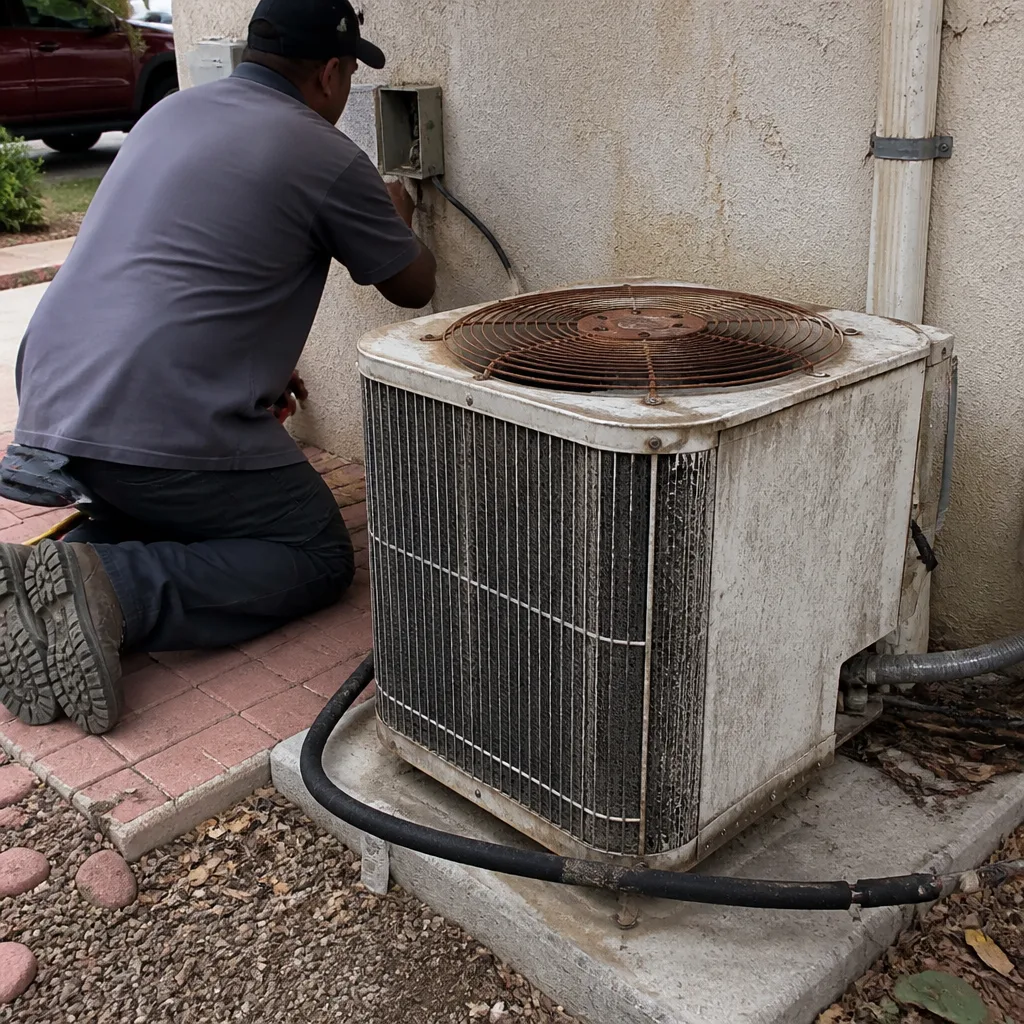
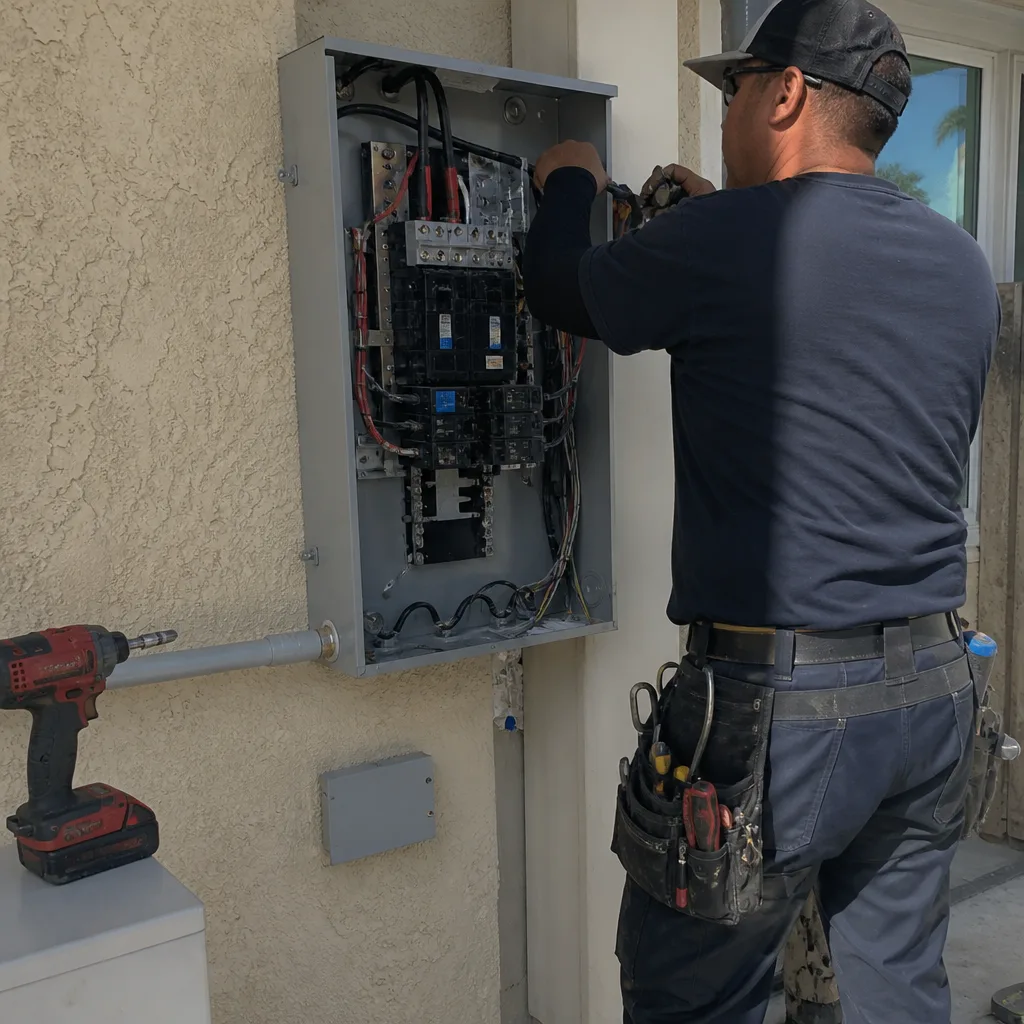
- Move to rough-in mechanical and structural work in late spring and early summer. Interior framing, plumbing, electrical, and HVAC rough-in are not weather-sensitive. These trades can work through the June and July heat as long as the building envelope is sealed. Temporary cooling helps but is not strictly required at this stage.
- Schedule drywall, tile, and finishes in the fall. Once the monsoon season passes, interior finishes can proceed in the October and November shoulder season. Drywall compound, tile setting, and paint all benefit from the moderate temperatures and stable humidity.
- Reserve the winter window for the most temperature-sensitive installations. High-end tile work, large-format stone, custom concrete, and any finish work that requires precise environmental control belongs in December and January.
- Use summer only for work that is genuinely heat-tolerant. Interior demolition, framing, rough electrical, rough plumbing, and insulation all tolerate summer conditions. Exterior masonry and concrete work can sometimes proceed with early morning pours and wet curing, but it is riskier and often requires more supervision.
The point is this: a well-run remodeling project in Indio is scheduled backward from the weather, not forward from the start date. Any contractor who cannot tell you when each phase will happen and why the calendar matters for that specific trade is guessing. Briar Contractors runs full-scope projects under one contract precisely so that the sequencing decisions stay coherent, from the roof deck to the kitchen countertop, without a different subcontractor making schedule decisions that contradict the overall plan.
Material Considerations for Desert Construction
Indio’s climate punishes materials that are not specified for it. The UV index in the Coachella Valley runs extreme for most of the year. Surface temperatures on dark roofing exceed 160°F in July. Temperature swings between day and night can exceed 40°F. And when the monsoon arrives, it delivers intense, wind-driven rain followed by rapid drying. Every material choice on an Indio home should be evaluated against those four conditions: UV exposure, surface heat, thermal cycling, and episodic saturation.
Specific material notes for Indio homeowners:
- Roofing: Flat and low-slope roofs dominate in the valley. The coating system matters more than the underlying substrate. A quality elastomeric coating from GAF or CertainTeed is the difference between a roof that lasts 10 years and one that needs recoating every 3. If you are re-roofing, ask about the reflectivity rating. A high-reflectance coating reduces cooling load by double digits in summer.
- Windows: Impact-rated windows from manufacturers like PGT and CGI are not just for hurricane zones. In Indio, they provide better thermal isolation, UV protection, and dust sealing than standard units. If you are replacing windows, insist on low-E glass with a low solar heat gain coefficient. The difference in cooling cost is measurable on the first July bill.
- Stucco and siding: Traditional three-coat stucco performs well in Indio when properly installed with adequate control joints. If you prefer a fiber cement option, James Hardie products hold up well to desert UV exposure. The failure point is almost always the joint sealing and flashing, not the cladding material itself.
- Plumbing fixtures: Indio’s water supply is hard. Fixtures from Delta, TOTO, and American Standard with ceramic disc valves and accessible cartridges simplify long-term maintenance. Cheap big-box fixtures with plastic internals fail faster in hard water conditions and are harder to service. When we spec a bathroom, we name the fixture brand because it affects the homeowner’s maintenance burden for years.
- Tile and stone: Porcelain tile outperforms natural stone in desert conditions. It does not fade, it does not etch from hard water, and it requires less sealing. For shower waterproofing, systems like Schluter’s Kerdi line are worth the additional material cost because they provide a continuous waterproof layer behind the tile, which matters when the home cycles between bone-dry air and monsoon humidity.
- Hardscape: Pavers from manufacturers like Belgard and Unilock are manufactured for UV stability. Cheaper pavers fade unevenly in direct desert sun within two to three years. The base preparation underneath the pavers matters equally. Indio’s native soil expands and contracts with moisture changes, so a proper compacted aggregate base is the only defense against differential settlement.
Material selection in Indio is not about aesthetics first. It is about survival under specific environmental stress. A homeowner who picks finishes based on a Pinterest photo without checking whether the product is rated for sustained UV and thermal cycling will be replacing those finishes sooner than expected. We spec materials like Cambria quartz countertops and Silestone surfaces partly for their looks, but mostly because they resist the specific failure modes this climate produces.
Common Mistakes to Avoid
- Repainting the house in August. Exterior paint applied when surface temps exceed 90°F fails early. The paint company will deny the warranty because the application conditions fell outside the product data sheet. You will pay twice.
- Ignoring stucco cracks because they look small. A hairline crack that opens in summer closes in winter and reopens wider the next year. Each cycle lets more water in. What starts as a $200 sealant job becomes a $4,000 stucco repair and possibly framing remediation.
- Waiting until July to clear area drains. By the time the first monsoon storm arrives, the drain is already clogged with six months of accumulated debris. Clearing drains in June takes an afternoon. Dealing with water intrusion in August takes a contractor and a check.
- Scheduling a pool replaster in July. Plaster applied in extreme heat cures too fast, shrinks, and cracks. Pool contractors who agree to summer replastering in Indio are either planning to work at night or are willing to accept a higher callback rate. Schedule it for winter.
- Treating the October walkthrough as optional. Monsoon damage that gets documented in October gets repaired before it compounds. The same damage ignored until March has had five more months to spread. Water does not stop moving because you stopped looking.
- Hiring different contractors for different phases without a master sequence. When the roofer schedules on his calendar, the painter on hers, and the tile contractor on his own, nobody is coordinating around the weather. One general contractor with one schedule eliminates the conflict. That is the entire point of single-source accountability.
- Choosing cheap caulk and sealant. Big-box silicone caulk will not survive Indio’s thermal movement. Use elastomeric sealants rated for exterior stucco joints with a stated joint movement capability. The product costs three times as much and lasts five times longer.
When to Call a Professional
Some seasonal maintenance in Indio is genuinely DIY-appropriate: clearing area drain grates, checking downspout extensions, walking the interior perimeter after a storm. But several situations call for professional evaluation. If you see efflorescence on block walls that recurs after rain, that indicates water moving through the wall assembly and needs a diagnosis, not just a scrub brush. If your stucco shows diagonal cracks wider than a credit card at door and window corners, the structure may be telling you something about settlement. If a roof recoat is bubbling or peeling at the laps, the coating is failing and the substrate may be damaged underneath. If water has entered the home during a monsoon event and the drywall is stained or soft, an inspection is warranted before the damage spreads invisibly. Briar Contractors offers free estimates in Indio. Call (833) 467-4442 and we will walk the property with you, document what we find, and give you a written scope with real numbers.
See the difference
 Before
 After
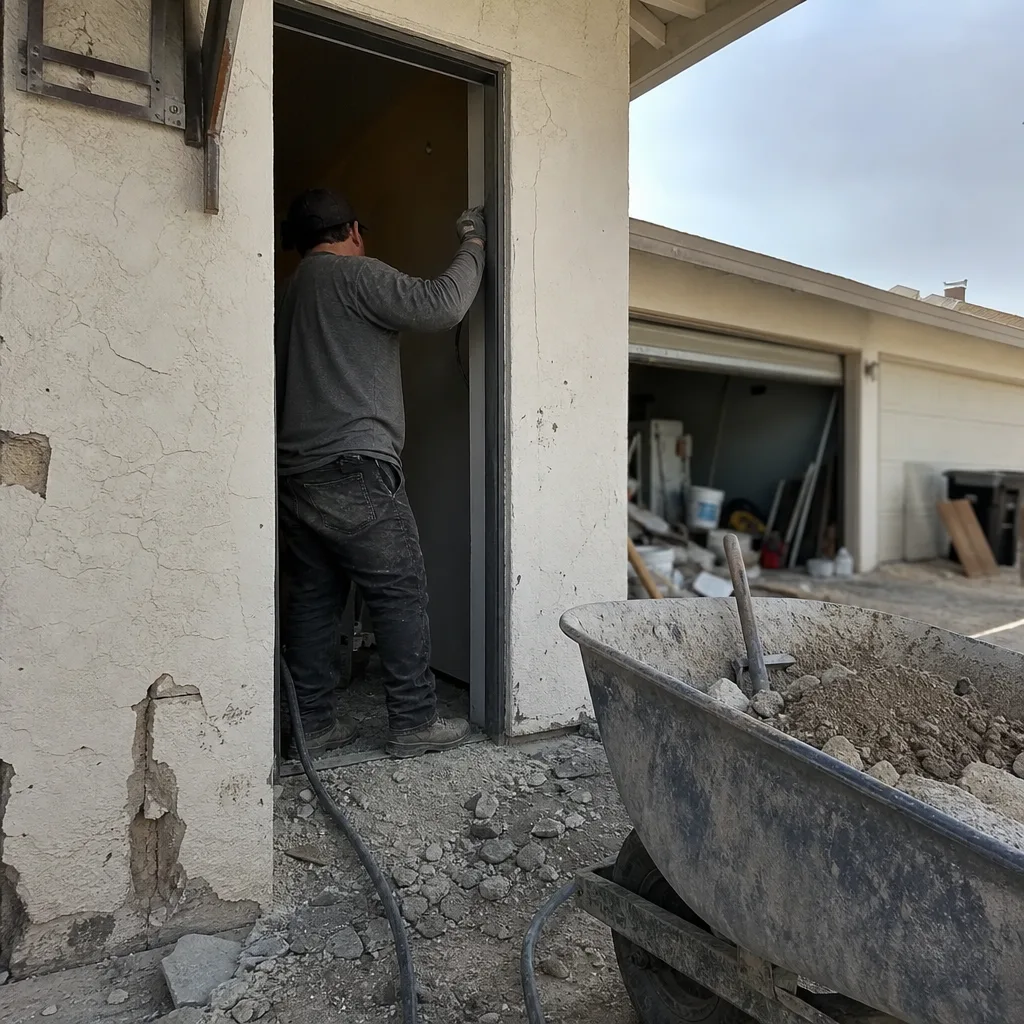 Before
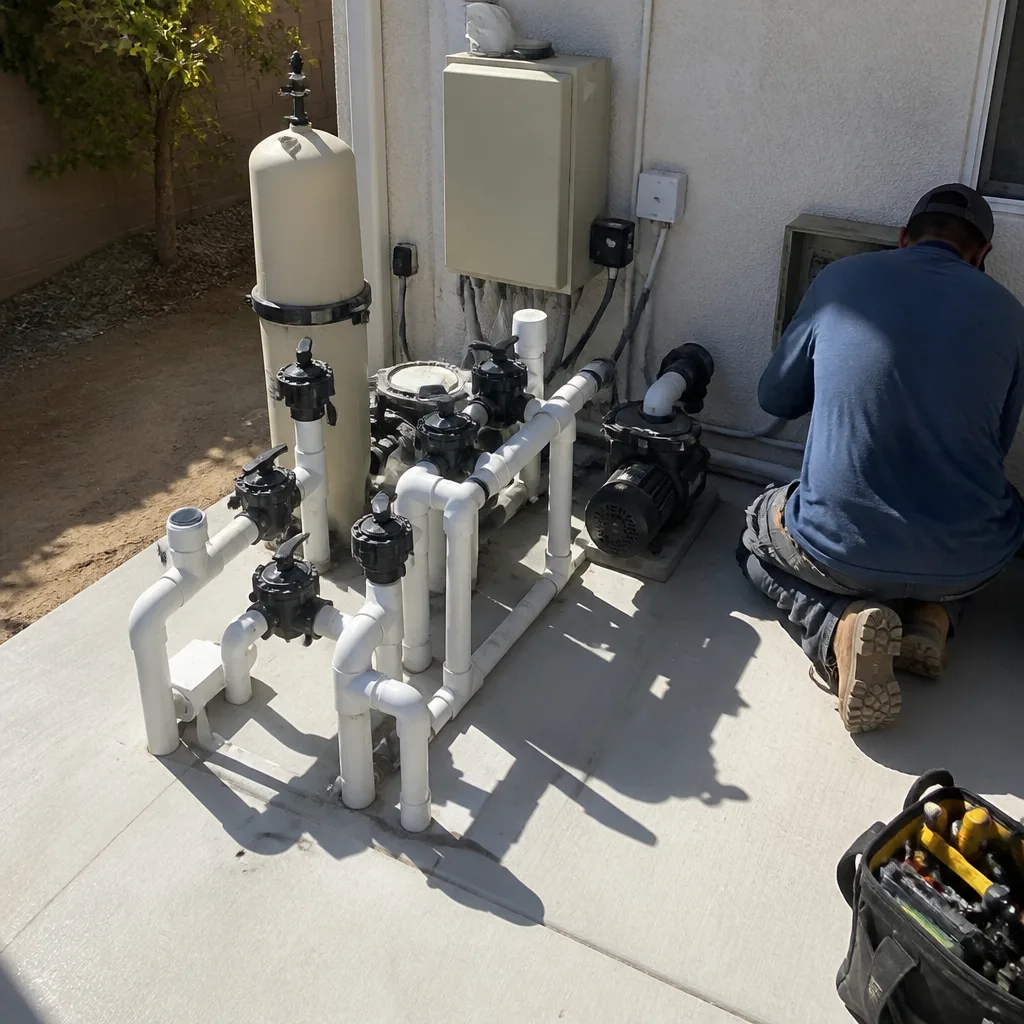 After
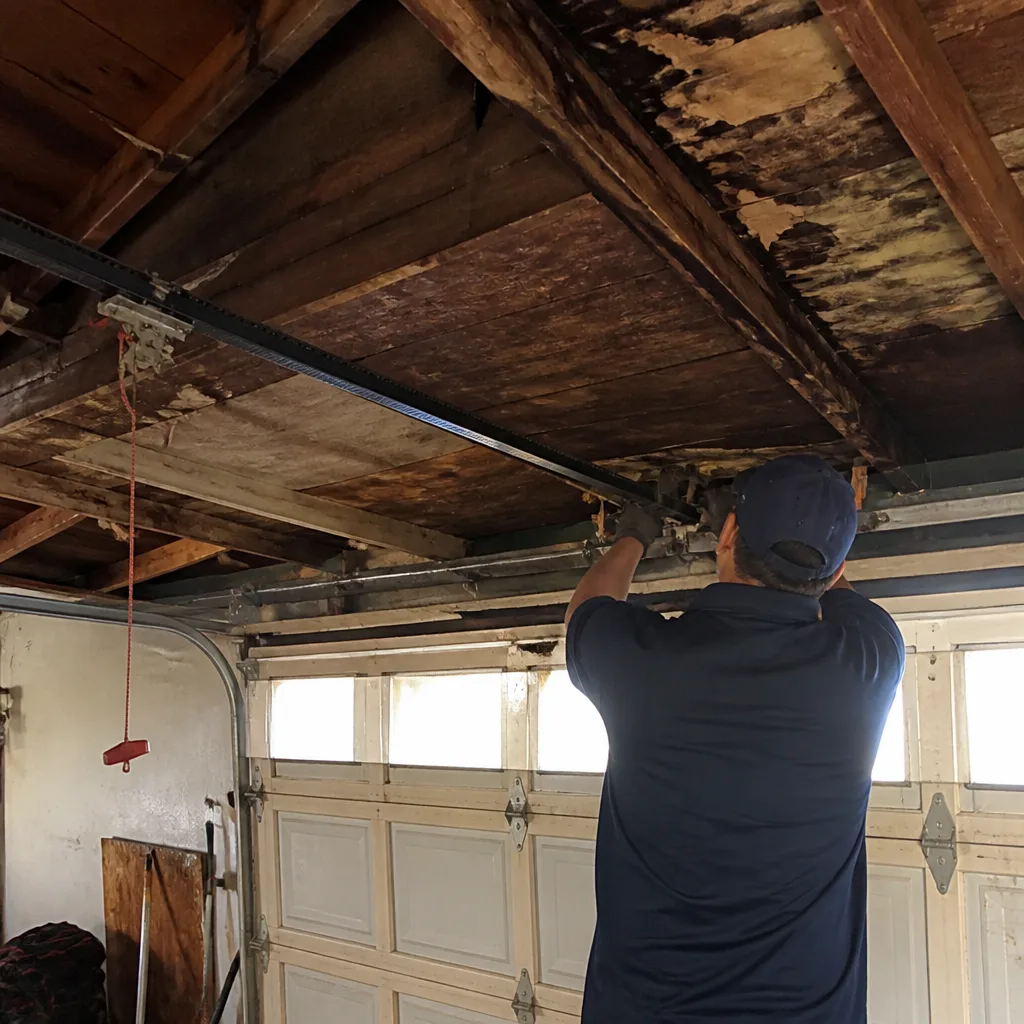 Before
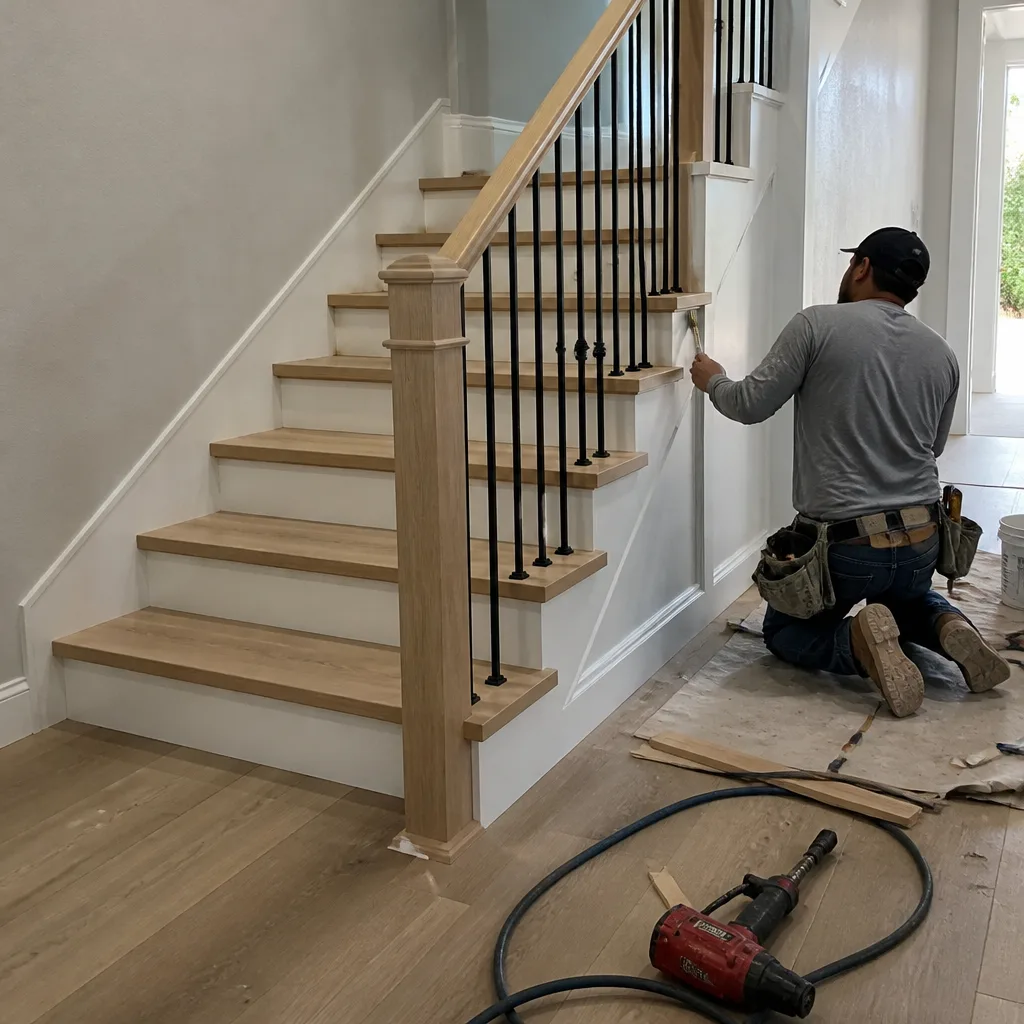 After
Frequently Asked Questions
The best time to paint an exterior in Indio is March through early May, when surface temperatures stay below the application limits on the product data sheet. Exterior acrylic paint applied when surface temps exceed 90°F skins too fast, fails to cure properly, and peels within a season or two. If you missed the spring window, wait until the following year rather than painting in summer or during monsoon humidity. Call (833) 467-4442 to get on the spring schedule early, because good painters book out in February.
Prepare for monsoon season by walking the perimeter in June, sealing every stucco joint wider than a credit card with elastomeric caulk, clearing all area drains and downspout extensions, checking window head flashing for gaps, and verifying that all roof scuppers flow freely. The objective is to make sure water hitting the home during a July storm has a clear path away from the foundation and no entry point at the building envelope. This prep work is inexpensive insurance against concealed damage that costs thousands to remediate later.
After the monsoon season ends, check for efflorescence on block walls, settled or shifted hardscape, moisture staining at the base of interior drywall, soft baseboards, and any blistering or lap failure on elastomeric roof coatings. Document everything with photos and prioritize repairs before the next rain cycle. A post-monsoon inspection in October catches problems when they are small and cheap to fix. Call (833) 467-4442 if you want a professional set of eyes on it.
You can pour concrete in summer in Indio, but it requires early morning placement, wet curing, and careful monitoring to prevent flash setting and shrinkage cracking. Most quality contractors prefer to schedule concrete flatwork, patios, and walkways in the March through May window or the October through February window. Summer pours are possible but carry higher risk, and the finish quality is usually not as good. If you are planning a hardscape project, schedule the pour for mild weather and call (833) 467-4442 to discuss timing.
Winter is the best time for most interior remodeling in Indio because temperatures and humidity are moderate, which means drywall compound dries evenly, paint cures properly, tile thinset stays workable, and wood trim does not move unpredictably. November through February is also the ideal window for pool replastering and any installation that requires controlled cure conditions. If you are planning a kitchen or bath remodel, booking it for winter produces measurably better finishes.
The single most important seasonal maintenance task for an Indio home is the pre-monsoon drainage and sealing walkthrough in June. Roof recoats and painting matter, but they can be deferred without immediate consequence. A clogged area drain during a July storm concentrates water at the foundation and causes damage that compounds year after year. Spend a Saturday in June sealing stucco joints and clearing drains. It is the highest-return maintenance hour on the desert calendar. Call (833) 467-4442 for a professional assessment if you find anything concerning.
The Bottom Line
Indio homeowners do not need a four-season maintenance schedule. They need a three-season one: spring for exterior coatings before the heat locks the window shut, summer for drainage and sealing before the monsoons hit, and winter for any project that requires controlled cure conditions. October is the assessment month, the moment to document what the storms did and decide what needs fixing before it gets worse. Homeowners who follow this rhythm prevent the kind of deferred damage that shows up later as a five-figure repair. Homeowners who ignore it pay twice for paint, twice for stucco, and eventually for framing remediation they could have avoided. Plan the work around Indio’s weather, not around a generic calendar. The calendar has not done a single repair in the Coachella Valley.
Written by the team at Briar Contractors, serving Indio since 2018.