
Last updated October 30, 2026
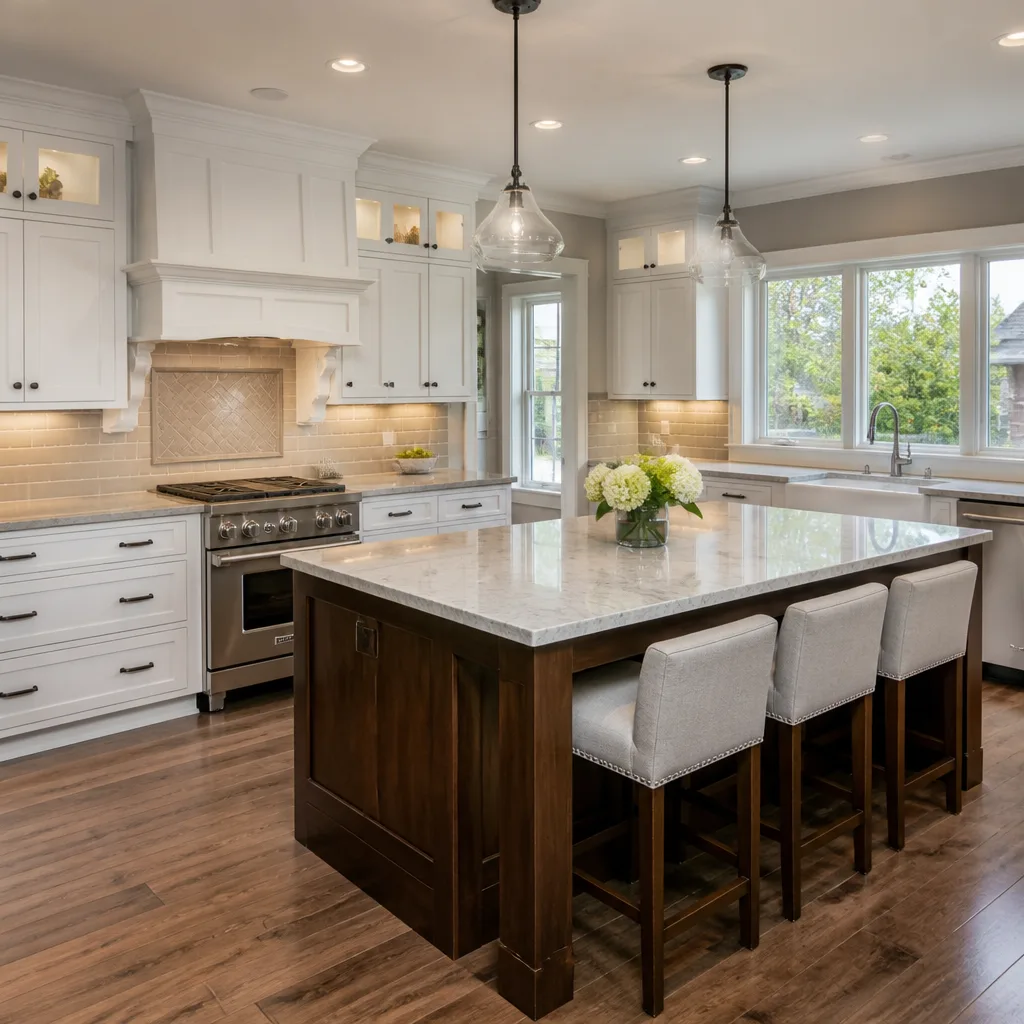 Kitchen remodeling
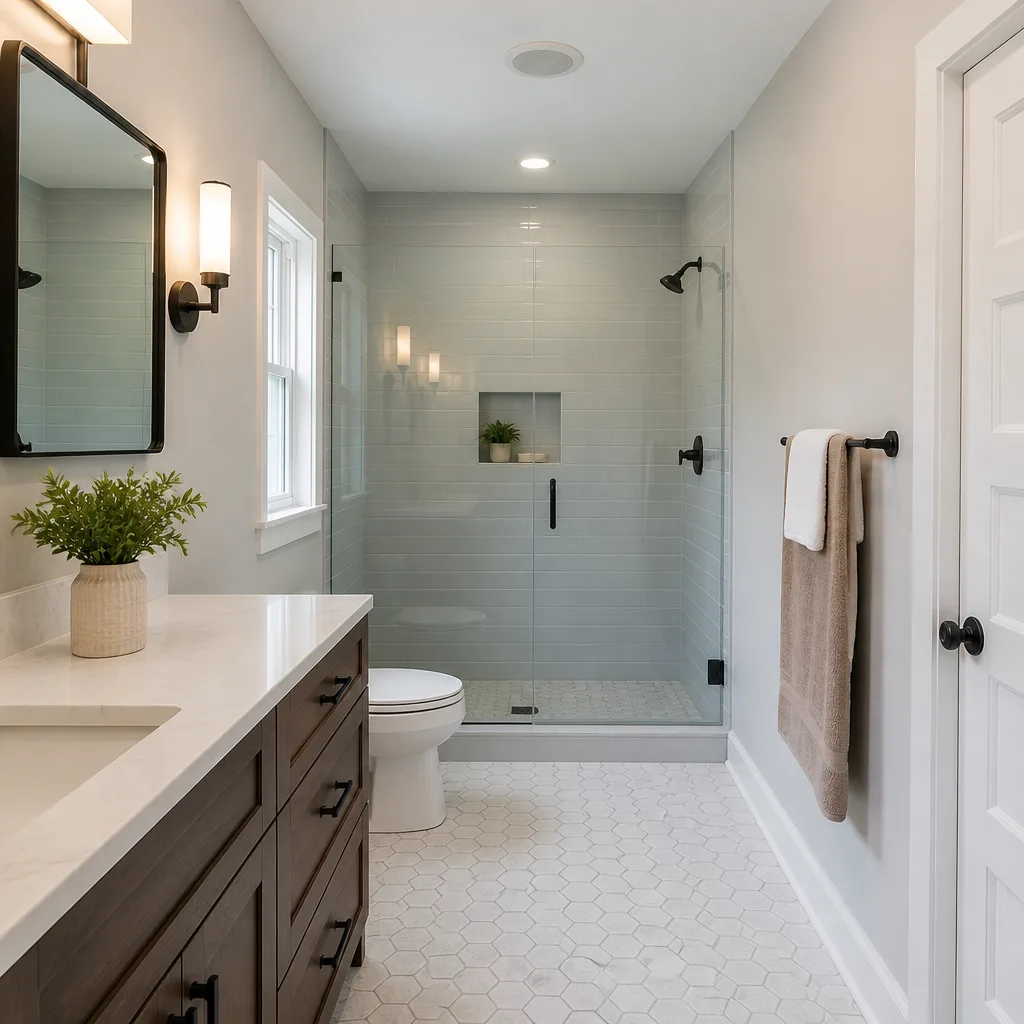 Bathroom remodeling
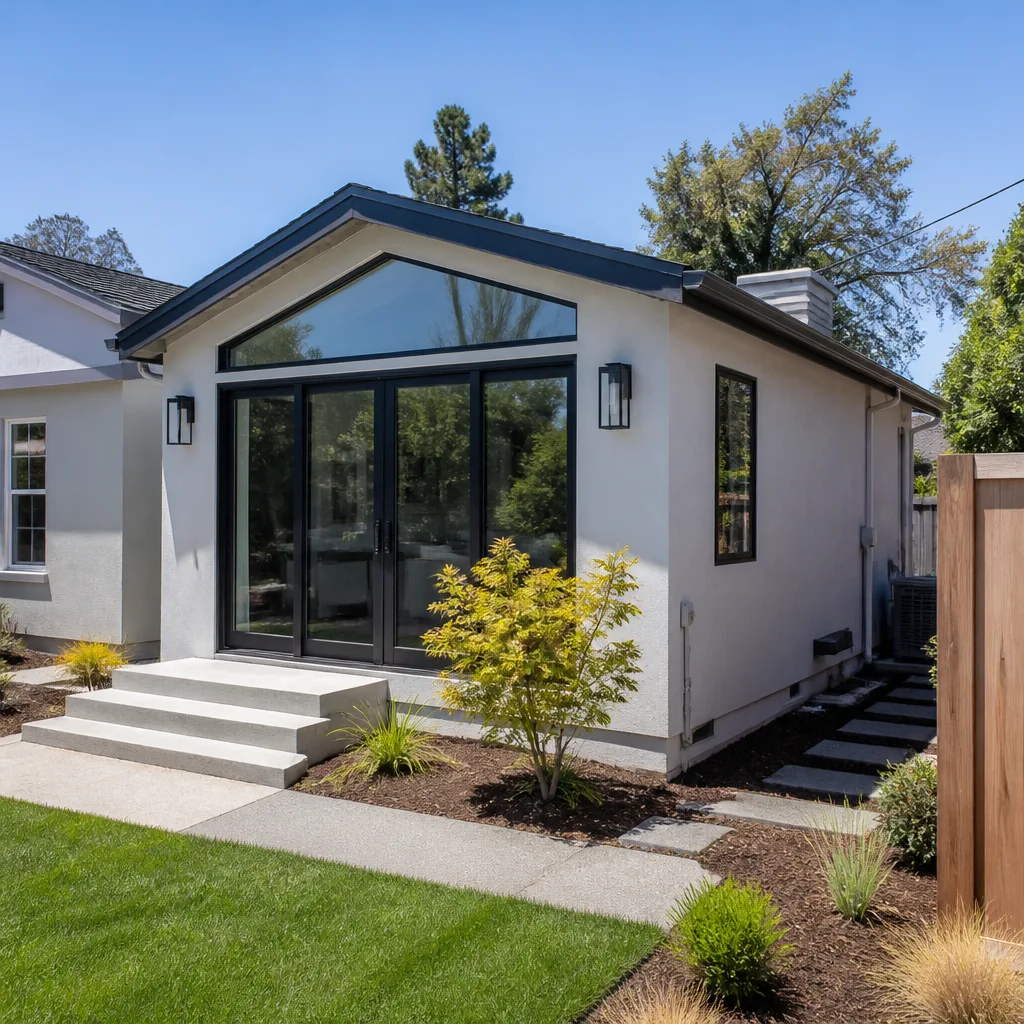 Home additions & ADU
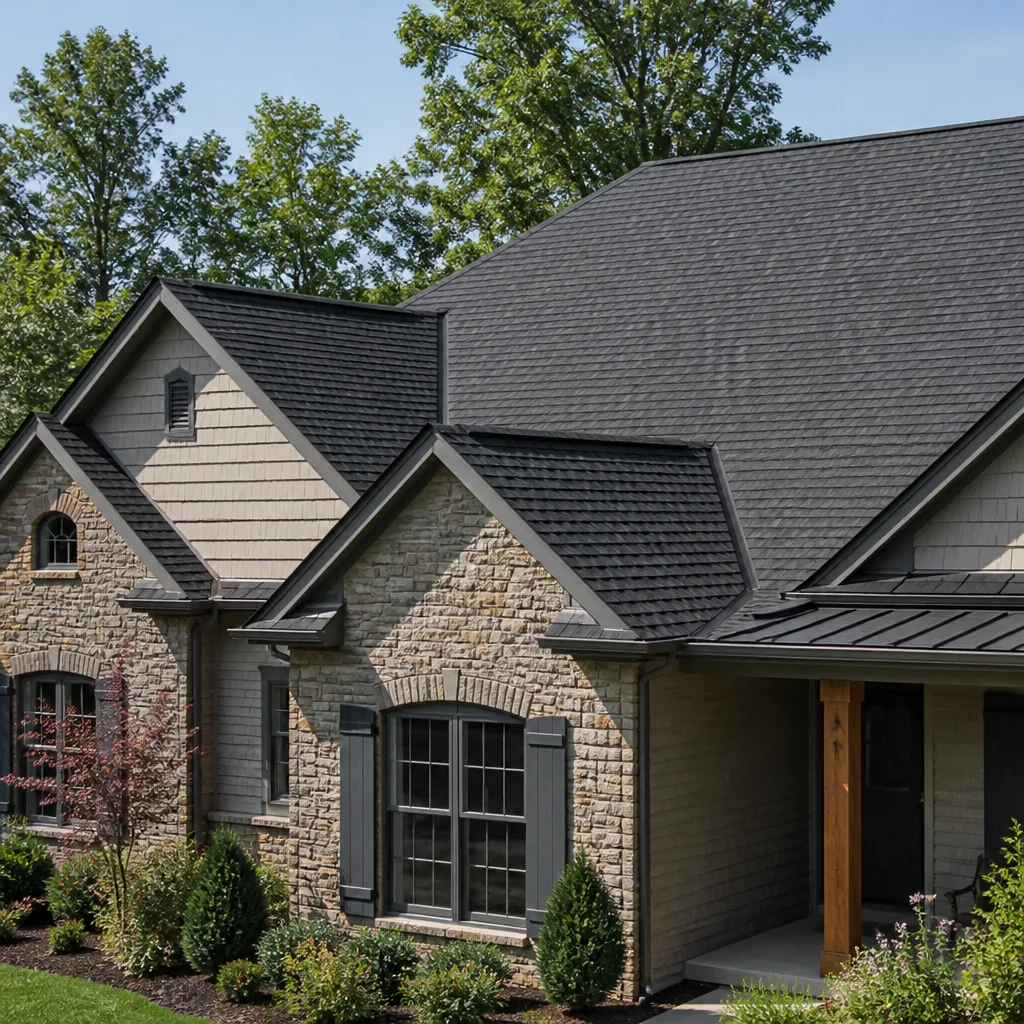 Roofing
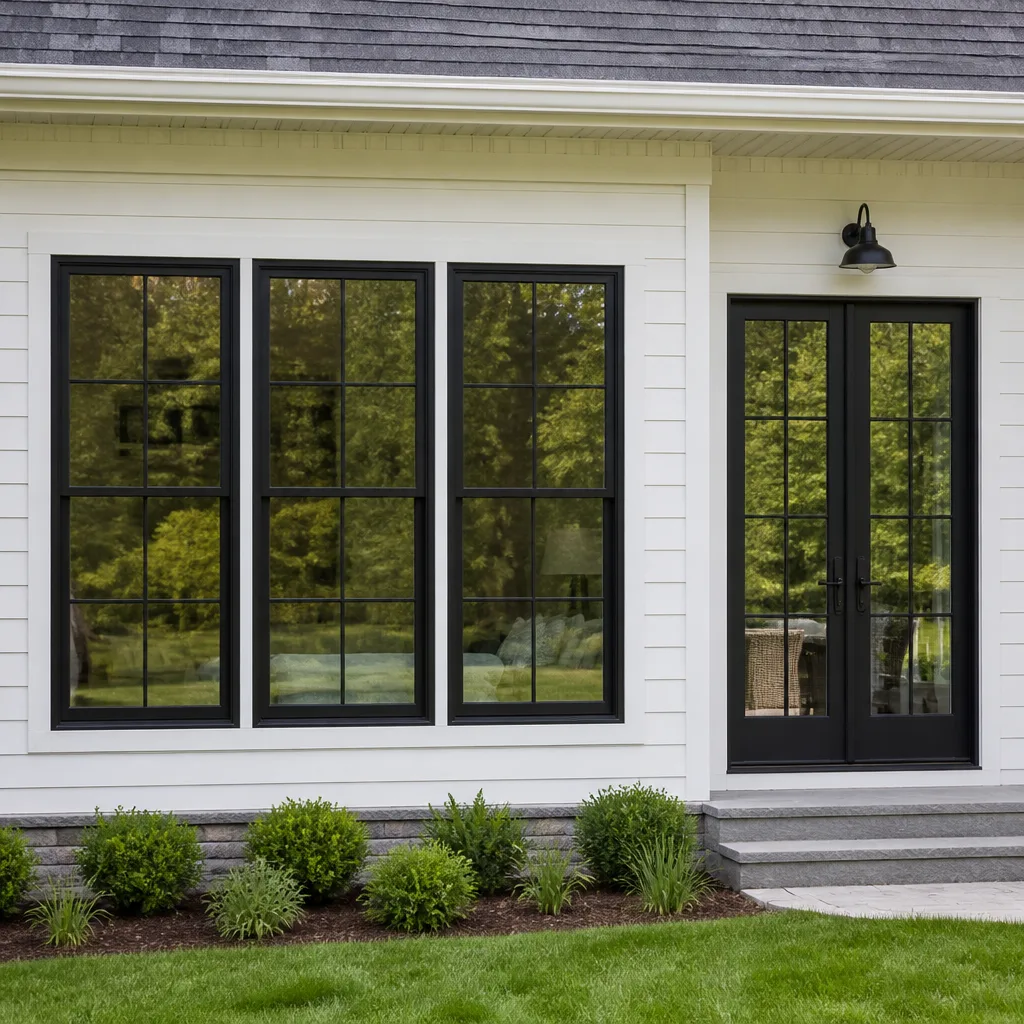 Windows & doors
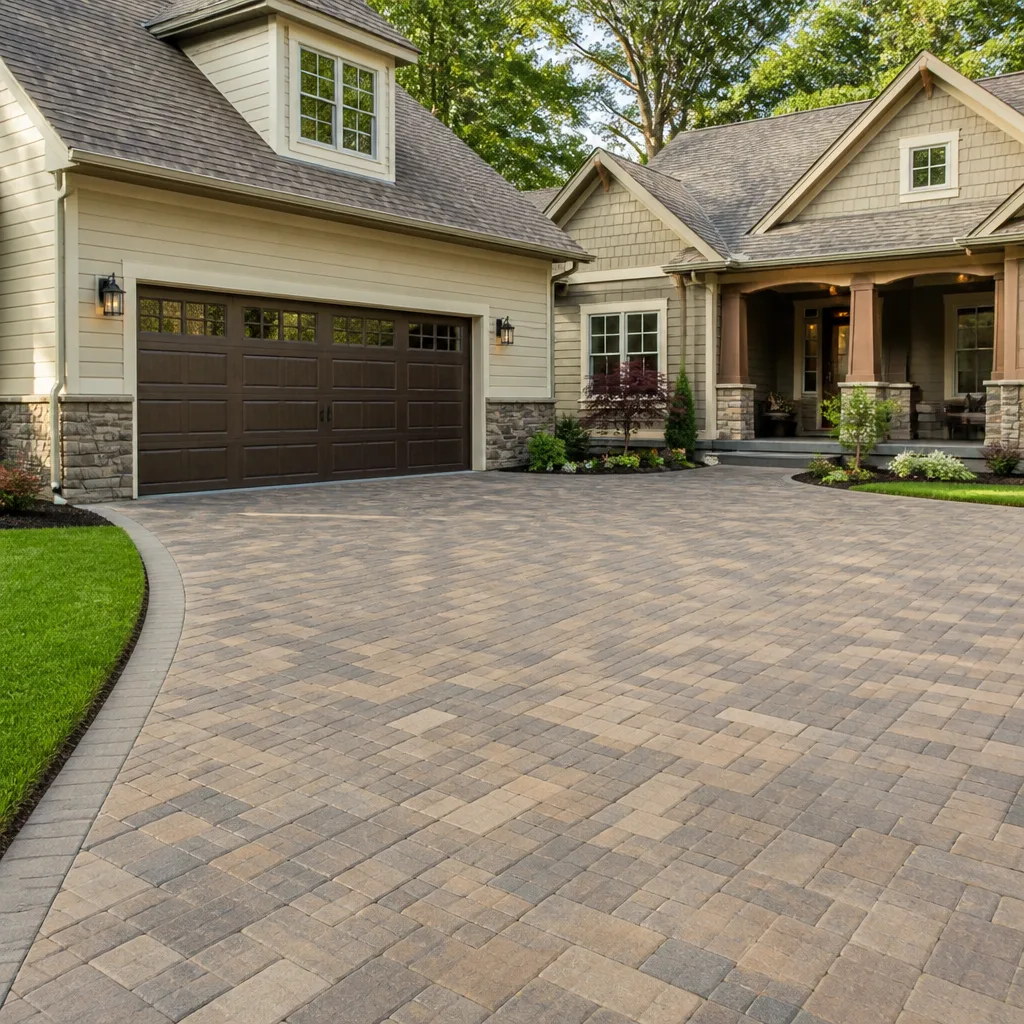 Driveway & pavers
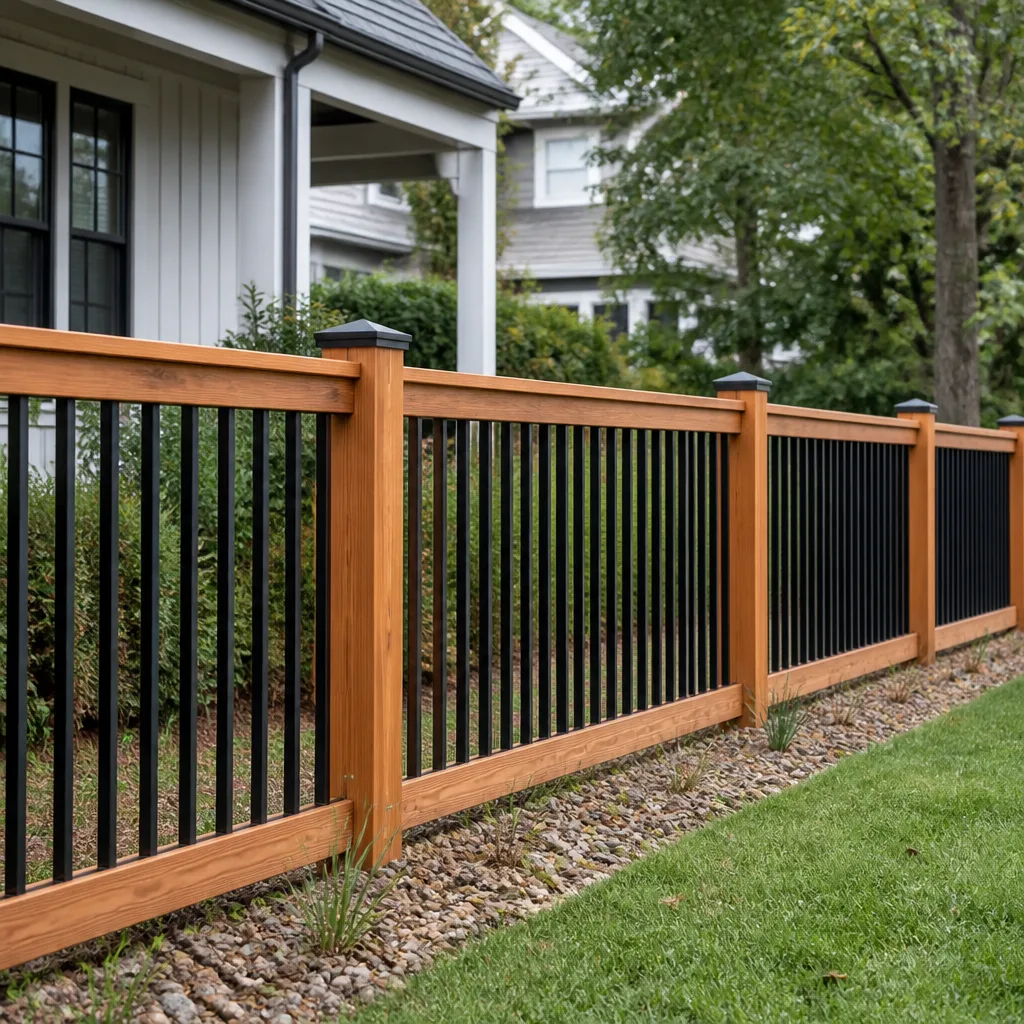 Fence
Free written scope consultation - allowances, timeline, and change-order rules on paper before a single trade is scheduled
Choosing the Right Construction Brand: A Buyer’s Guide for Indio
Fiber cement siding carries a 30-year warranty from James Hardie, but that warranty has installation and climate clauses. A Hardie rep will tell you that improper sealing of cut ends in high-UV desert conditions is the fastest path to voiding it. That’s the reality of specifying construction materials in Indio: the products that dominate national market share were often tested for conditions that don’t exist here. This guide evaluates the leading brands in each category against the actual performance demands of Coachella Valley construction, so you can choose materials that survive 115°F summers, alkaline soil, and intense UV exposure without failing early. For a broader look at building in this region, see The Complete Guide to Construction in Indio.
Styles & brands we work with
Quick Answer
The right construction brands for an Indio home aren’t the ones with the biggest marketing budgets. They’re the products with climate-specific ratings: roofing with IR-reflective granules rated for zone 15, windows with low SHGC values that meet Title 24, exterior coatings formulated for high-UV stucco, and concrete mixes designed for high-evaporation pours. Specific winners in each category are detailed below.
Table of Contents
- Roofing Brands: What Survives 115°F and What Doesn’t
- Exterior Coatings: Elastomeric vs. Standard Paint in Indio
- Windows and Glazing: Why SHGC Matters More Than U-Factor Here
- Concrete and Masonry: Mix Design for High-Evaporation Pours
- HVAC Equipment: Brands That Actually Perform at 95°F+ Ambient
- Hardscaping and Pavers: Desert-Stable Material Choices
- Cabinetry and Countertops: Interior Materials That Hold Up in Dry Heat
- Prefab and ADU Structures: Which Manufacturers Handle Desert Conditions
- Common Mistakes to Avoid
- When to Call a Professional
- Frequently Asked Questions
- The Bottom Line
Roofing Brands: What Survives 115°F and What Doesn’t
Roofing in Indio fails differently than roofing in Seattle or Chicago. Sustained heat cycles cause asphalt shingles to lose volatiles faster, which means granule loss, curling, and premature brittleness. Three brands dominate the residential market here, and they don’t perform identically.
Owens Corning Duration shingles use SureNail technology and a woven fabric reinforcement strip that resists blow-off in the high winds that sweep through the San Gorgonio Pass. The Duration line also carries a Class 4 impact rating, which matters when haboob-driven debris hits your roof at 40 mph. We’ve seen Duration roofs in Indio hold their granule adhesion longer than comparable products, specifically because the granule embedment process is designed for high-UV exposure.
GAF Timberline HDZ is the most-installed shingle line in North America, but popularity doesn’t guarantee desert performance. The HDZ line uses LayerLock technology and a 25-year wind warranty with no maximum wind speed limitation. What matters for Indio: the HDZ’s Advanced Protection shingle has stain-fighting copper-infused granules that help with the algae and lichen that appear on north-facing roof planes in the Coachella Valley during monsoon season.
CertainTeed Landmark shingles carry a 15-year StreakFighter algae warranty and use a heavier base mat than many competitors, which means better dimensional stability through extreme temperature swings. Indio sees 40-degree diurnal swings regularly in spring and fall. A shingle that can’t handle repeated expansion and contraction will crack at the nail line within a decade.
What to specify: Look for shingles with IR-reflective granules rated for Cool Roof Rating Council compliance. A standard dark asphalt shingle in Indio can hit 160°F+ surface temperature in July. A cool-rated shingle keeps that number 10-15 degrees lower, which extends shingle life and cuts cooling loads. Zone 15 designation means the product is rated for the IECC climate zone that includes most of Riverside County.
Roofing Brand Comparison for Indio Conditions
- Owens Corning Duration: Best wind resistance, strong granule adhesion in sustained UV. Good choice for homes near the wind corridor.
- GAF Timberline HDZ: Strong algae resistance, reliable warranty processing, widely available for repair matching.
- CertainTeed Landmark: Heavier base mat, excellent dimensional stability through temperature swings. Good choice for older Indio homes with deck movement.
The company you choose for installation matters as much as the shingle. General Contractor in Indio work that involves roofing should include verification of nail pattern, underlayment specification, and ventilation calculations. A great shingle nailed wrong fails faster than a mid-tier shingle nailed correctly.
Exterior Coatings: Elastomeric vs. Standard Paint in Indio
Indio stucco and block exteriors take abuse no other climate delivers: 115°F heat, UV index readings that regularly exceed 10 in summer, and occasional monsoon-driven moisture. Standard exterior acrylic paint fails here in 3-5 years. Elastomeric coatings fail in 10-15. The cost difference is about 40% upfront, which means elastomeric costs less per year of service.
Sherwin-Williams Loxon XP is a water-based elastomeric coating engineered for masonry surfaces. It bridges hairline cracks up to 1/16 inch, which matters in Indio because the expansive clay soils in parts of the valley cause foundation micro-movement that telegraphs into stucco. Loxon XP also carries a dirt pickup resistance rating that standard elastomerics lack, which keeps Indio dust from embedding in the finish.
Standard exterior acrylic paint, even quality lines like Sherwin-Williams Duration Exterior or Benjamin Moore Aura Exterior, is appropriate only for homes with pristine stucco, no visible cracking, and shaded orientation. If your Indio home has full sun exposure on south and west walls, elastomeric is the correct specification. Period.
We’ve measured surface temperatures on west-facing Indio stucco walls in August at over 150°F. Standard paint films break down at the polymer level under that kind of sustained thermal load. Elastomeric coatings are formulated to remain flexible through those cycles, which is precisely what prevents cracking and peeling.
When to Use Each Coating Type in Indio
- Elastomeric (Loxon XP or equivalent): Any stucco or block home with visible hairline cracks, full-sun exposure, or a homeowner planning to stay 10+ years.
- Premium acrylic exterior paint: Homes with newer stucco in good condition, partial shade, or a homeowner planning to sell within 5 years.
- Standard exterior paint: Bare minimum applications, rental properties, or flips where long-term performance isn’t the priority.
Recoating a 2,000-square-foot Indio home with elastomeric instead of standard paint adds roughly $1,500-$2,500 to the job. Rec coating that same home one extra time over a 15-year span because standard paint failed early costs $6,000-$10,000. The math favors elastomeric for anyone staying put.
Windows and Glazing: Why SHGC Matters More Than U-Factor Here
Window marketing across the country emphasizes U-factor, the measure of heat loss through glass. Indio homeowners don’t have a heat loss problem. They have a heat gain problem. SHGC, the solar heat gain coefficient, measures how much solar radiation passes through the window. In zone 15, Title 24 requires a maximum SHGC of 0.25 for most residential window replacements. That number matters more than any U-factor rating.
Andersen’s 100 Series and E-Series lines offer Low-E4 glass packages that hit SHGC values below 0.22 while maintaining visible light transmittance above 0.45. That balance matters: you want to block heat without making your interior feel like a cave. We’ve specified Andersen 100 Series for Indio homes with wide window expanses facing south, where afternoon heat gain drives cooling loads through the roof.
Milgard’s Tuscany and V300 lines, both manufactured in California, offer SunCoat Low-E packages that meet Title 24 zone 15 requirements. The Tuscany line’s fiberglass frame resists the warping that vinyl frames experience in sustained Indio heat. A vinyl window frame in direct sun at 115°F ambient can reach 140°F surface temperature, which causes expansion and seal failure over time. Fiberglass and aluminum-clad frames handle that better.
PGT, headquartered in Florida, builds windows for hurricane zones. That might seem irrelevant to Indio until you consider the wind-driven sand and debris during high-wind events. PGT’s impact-resistant WinGuard and PremierView lines use laminated glass that handles 140 mph wind loads. For Indio homes near the wash corridors or open desert, that’s meaningful protection against monsoon winds and blowing debris.
Title 24 zone 15 window requirements for Indio: Maximum SHGC 0.25 for standard windows, maximum U-factor 0.30 for fixed windows and 0.40 for operable. West-facing windows may trigger additional requirements depending on the exact orientation and overhang depth.
Concrete and Masonry: Mix Design for High-Evaporation Pours
Concrete in Indio fails most often because of what happens in the first 48 hours after the pour. High temperatures cause rapid moisture evaporation at the surface, which leads to plastic shrinkage cracking before the concrete has even set. A standard 4,000 PSI mix placed in July at 110°F without modifications will crack, spall, or dust within a few years.
The fix isn’t a different brand of concrete. It’s what goes into the mix and what happens after placement. For summer pours in Indio, specify a mid-range water reducer and a set retarder to keep the mix workable at high temperatures. Target a water-cement ratio at or below 0.45. And insist on cure blankets or a curing compound applied immediately after finishing.
Cure blankets matter more in Indio than in coastal climates because surface evaporation rates here are among the highest in the United States. The Coachella Valley averages less than 3 inches of annual rainfall, and July daytime humidity often sits below 15%. That creates evaporation rates from fresh concrete that simply don’t happen in most of the country.
For pavers, the same principle applies to the base material. Open-graded base rock compacts better in high temperatures than dense-graded, and we’ve found that paver installations in Indio using open-graded base with a setting bed of crushed granite hold their level longer than sand-set installations. Sand shifts under thermal expansion cycles; crushed granite locks together.
HVAC Equipment: Brands That Actually Perform at 95°F+ Ambient
Air conditioning equipment is rated at specific test conditions, and those conditions don’t match Indio summers. An AC unit with a SEER2 rating of 16 tested at 82°F ambient performs differently when your outdoor unit sits in full sun at 115°F. What matters is how the equipment maintains capacity as ambient temperature climbs.
Lennox, Trane, and Carrier all build equipment that handles sustained high-ambient operation, but the specifications matter more than the brand name. Look for AHRI certification numbers that include extended temperature range testing. The key metric is cooling capacity retention at 95°F and 105°F outdoor ambient.
Carrier’s Infinity line with Greenspeed intelligence modulates compressor output based on load, which matters in Indio because July cooling loads are massive, but October loads are minimal. A single-stage unit cycles on and off constantly in shoulder seasons, causing humidity swings and wear. A modulating unit meters output to match the actual load.
Trane’s XV line uses a similar modulating approach and carries a compressor that’s designed for operation at elevated condensing temperatures. We’ve seen Trane XV units in Indio maintain rated capacity at outdoor ambients above 110°F when properly sized and installed with adequate clearance around the condenser.
Lennox’s Signature series with the variable-capacity inverter compressor also performs well in high-ambient conditions. The key with Lennox is ensuring the installer follows the specific refrigerant charge requirements for extended pipe runs and high-static duct systems. Improper charge kills efficiency faster in Indio than anywhere else.
What to verify on the AHRI certificate: Model number, indoor coil match, outdoor unit match, SEER2 rating, EER2 rating, and cooling capacity at 95°F. Any contractor quoting HVAC replacement should provide this document before you sign.
For homeowners planning broader renovation work alongside HVAC replacement, Home Renovation in Indio should include load calculations based on actual window orientation, insulation levels, and building envelope condition, not rule-of-thumb square footage numbers.
Hardscaping and Pavers: Desert-Stable Material Choices
Hardscaping in Indio serves two masters: aesthetics and thermal performance. Light-colored pavers reflect heat; dark pavers absorb it. A dark paver patio in Indio can reach 170°F surface temperature in July, which makes it unusable during the afternoons when you’d actually want to be outside. Light-colored or tumbled pavers from manufacturers that offer desert-specific color palettes make a measurable difference.
Techo-Bloc and Unilock both manufacture paver lines with colors and finishes designed for high-sun climates. Techo-Bloc’s Blu 60 mm pavers use a manufacturing process that produces consistent color throughout the paver body, not just on the surface. That matters in Indio because surface color fading from UV exposure reveals the base color underneath in lesser pavers within a few years.
Unilock’s EnduraColor technology does something similar, using a face-mix system that bonds a wear layer to the paver body. The wear layer uses concentrated pigments and fine aggregates that resist UV fading better than standard pavers. We’ve specified Unilock pavers for Indio pool decks specifically because the surface stays cooler than competing products with similar colors.
For retaining walls and vertical structures, Techo-Bloc’s Mini-Creta wall system offers a tighter fit than standard segmental retaining wall blocks, which resists the shifting that happens when Indio’s expansive soils expand and contract with rare but significant moisture events. A wall that can’t handle minor ground movement will lean or crack within a few seasons.
Home Remodeling in Indio projects that include hardscape should account for drainage. Indio’s sudden monsoon downpours drop more water in an hour than the ground absorbs in weeks. Paver installations need proper base compaction and drainage routing or you’ll see settling and washout.
Cabinetry and Countertops: Interior Materials That Hold Up in Dry Heat
Interior materials in Indio face a different challenge than exterior ones: extreme dryness. Wood cabinetry that’s stable in humid climates can shrink, crack, or delaminate in the Coachella Valley’s single-digit humidity readings. The cabinet lines that perform best here are those constructed with materials that resist dimensional change.
KraftMaid and Wellborn both manufacture semi-custom cabinet lines with plywood box construction available as an upgrade. Plywood boxes resist the dry-heat cracking that particleboard boxes experience in Indio. The humidity swings between summer monsoons and winter dryness cause particleboard to expand and contract enough to break down the joinery over 10-15 years.
Countertop selection in Indio should account for two things: direct sunlight through windows and heat tolerance. Quartz surfaces from Cambria, Silestone, and Caesarstone all handle normal household use well, but Cambria’s manufacturing process creates a surface that’s less likely to fade or yellow when exposed to UV through windows. If your Indio kitchen has a south-facing window over the countertop work area, that’s a consideration worth making.
Granite, soapstone, and quartzite are all heat-resistant and UV-stable. Quartz is heat-resistant but can discolor if a hot pan sits directly on the surface long enough. The practical difference is minor for most homeowners, but if you’re the type who pulls a roasting pan out of the oven and sets it on the counter, quartzite or granite is the safer spec.
Prefab and ADU Structures: Which Manufacturers Handle Desert Conditions
The prefab ADU market has exploded in California, and several manufacturers now offer units specifically designed for high-heat climate zones. Abodu, Dvele, and Boxabl all build units with insulation packages and glazing choices that handle Indio conditions, but they approach the problem differently.
Abodu prefab units use 2×6 framing with closed-cell insulation and dual-pane Low-E windows. The company builds units in a controlled facility, which eliminates the weather-related construction delays and material exposure that plague site-built ADUs during Indio summers. A site-built ADU framed during a July heat wave has studs that were baking in 115°F heat before installation. Climate-controlled factory framing avoids that.
Dvele builds units with continuous exterior insulation and a focus on building envelope performance. Their wall assemblies exceed Title 24 requirements by a significant margin, which matters in Indio because cooling loads drive energy bills more than anything else. A well-insulated, well-sealed ADU costs less to cool than a code-minimum unit, and the difference compounds every summer.
Boxabl’s folded shipping-container construction isn’t right for every Indio property, but the structural rigidity handles high winds well. The factory-built approach also means consistent quality control, which is harder to achieve on site-built projects in extreme heat conditions.
For homeowners considering an ADU alongside broader renovation work, Briar Contractors home coordinates the full scope: site prep, utilities, foundation, prefab unit placement, and finish work. That single-contract approach eliminates the finger-pointing that happens when one company pours the foundation and another drops the unit and neither takes responsibility for the connection details.
Common Mistakes to Avoid
- Specifying standard exterior paint on full-sun Indio walls. You’ll be repainting in 3-5 years instead of 10-15. The upfront savings are an illusion.
- Choosing windows by brand name without checking SHGC ratings. A premium window with the wrong glass package still fails Title 24 inspections in Indio. Verify the specific SHGC on the actual product line you’re buying.
- Scheduling concrete pours for mid-afternoon in July. High-evaporation conditions cause plastic shrinkage cracking before the concrete sets. Schedule early morning pours and specify cure blankets.
- Buying HVAC equipment based on SEER rating alone. The SEER2 rating is measured at conditions that don’t match Indio summers. Check the AHRI certificate for capacity retention at 95°F and 105°F.
- Choosing dark-colored pavers for full-sun patios. Dark pavers in Indio reach surface temperatures that make them unusable during summer afternoons. Light or tumbled colors with UV-stable pigments stay cooler and look better longer.
- Installing particleboard-core cabinetry in unconditioned spaces. Garages, laundry rooms, and ADUs without consistent cooling see extreme dryness. Plywood boxes handle the conditions better.
- Assuming a national brand’s warranty automatically covers Indio conditions. Read the climate clauses. Some manufacturers exclude damage from sustained temperatures above certain thresholds or require specific installation methods in high-UV zones.
When to Call a Professional
Material specification isn’t something to outsource to a big-box store associate. If you need more guides & resources, our blog covers every system in depth. If you’re planning a project that touches multiple systems, roofing, windows, HVAC, exterior finishes, the interactions between those systems matter as much as the individual products. A window with the wrong SHGC forces your AC to work harder, which shortens compressor life, which means replacement costs you hadn’t budgeted for.
Briar Contractors offers free estimates in Indio. Call (833) 467-4442 to schedule yours. We walk the property, assess current conditions, and provide written line-item specifications for materials that are appropriate for your home and this climate. No vague promises. Named brands, specific products, actual numbers.
Frequently Asked Questions
For most Indio homes, Owens Corning Duration or CertainTeed Landmark offer the best combination of UV resistance, wind performance, and warranty support in high-heat conditions. GAF Timberline HDZ is also a solid choice if algae resistance is a priority. The installation quality matters as much as the shingle brand. Call (833) 467-4442 for a free roof evaluation and material recommendation specific to your home’s orientation and exposure.
Elastomeric coating costs roughly 40% more upfront than premium exterior acrylic paint, which translates to $1,500-$2,500 extra on a typical 2,000-square-foot Indio home. Over a 15-year span, elastomeric costs less because standard paint fails every 3-5 years in full-sun desert conditions. Call (833) 467-4442 for an exact quote on your home’s exterior.
Title 24 requires a maximum SHGC of 0.25 for most residential window replacements in climate zone 15, which includes Indio. Look for windows with SHGC values between 0.18 and 0.25 to maximize heat rejection while maintaining reasonable visible light transmission. Call (833) 467-4442 for help selecting specific window lines that meet Title 24 requirements.
Yes. Indio’s monsoon season brings intense, short-duration rainfall that can drive water through shingle gaps even when shingles are in good condition. A high-quality synthetic underlayment with a proper ice and water shield at eaves and valleys prevents water intrusion during these events. This is standard practice for quality roofing installation in the Coachella Valley.
Quality pavers from manufacturers like Techo-Bloc and Unilock handle Indio heat without cracking when installed with proper base preparation and joint spacing. The key is using open-graded base material that doesn’t shift under thermal expansion cycles and allowing adequate expansion joints at structures and hard edges. Call (833) 467-4442 for a paver consultation.
Prefab ADU installation in Indio typically takes 3-6 months from permitting through occupancy, with the actual on-site assembly happening in days or weeks rather than months. The timeline depends on site conditions, utility connections, and the specific manufacturer’s production schedule. Call (833) 467-4442 to discuss which prefab manufacturer fits your property and timeline.
The Bottom Line
Construction material selection in Indio is climate-driven, not brand-driven. The right roofing shingle, window glazing, exterior coating, and concrete mix are different from what works in coastal California or anywhere else in the country. National brands build good products, but not all of them are good for this specific desert environment. The homeowners who get the best results in Indio are the ones who specify materials based on how they perform at 115°F, under UV index 11, and through 40-degree temperature swings. That requires either deep research on your part or a contractor who’s done the homework already.
Written by the team at Briar Contractors, serving Indio since 2018.
See the difference
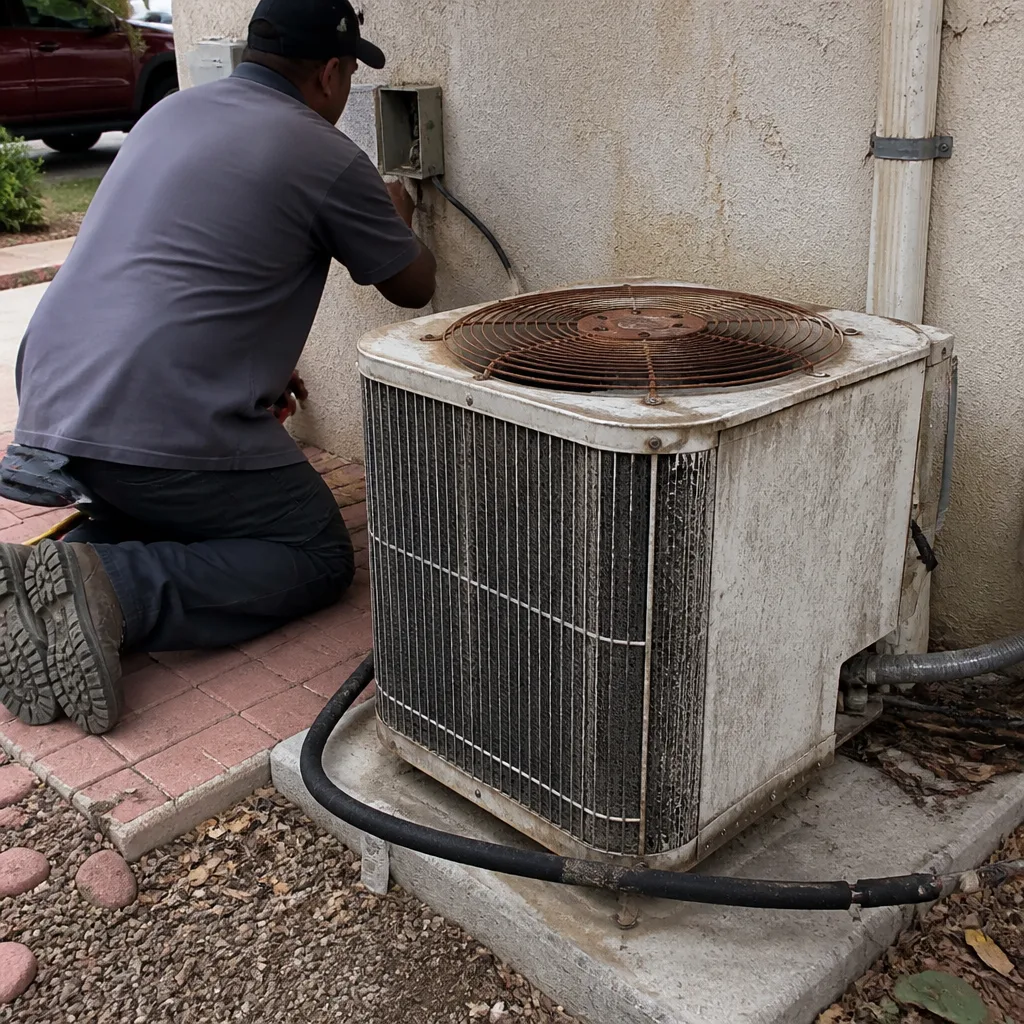 Before
 After
 Before
 After
 Before
 After