
Last updated October 30, 2026
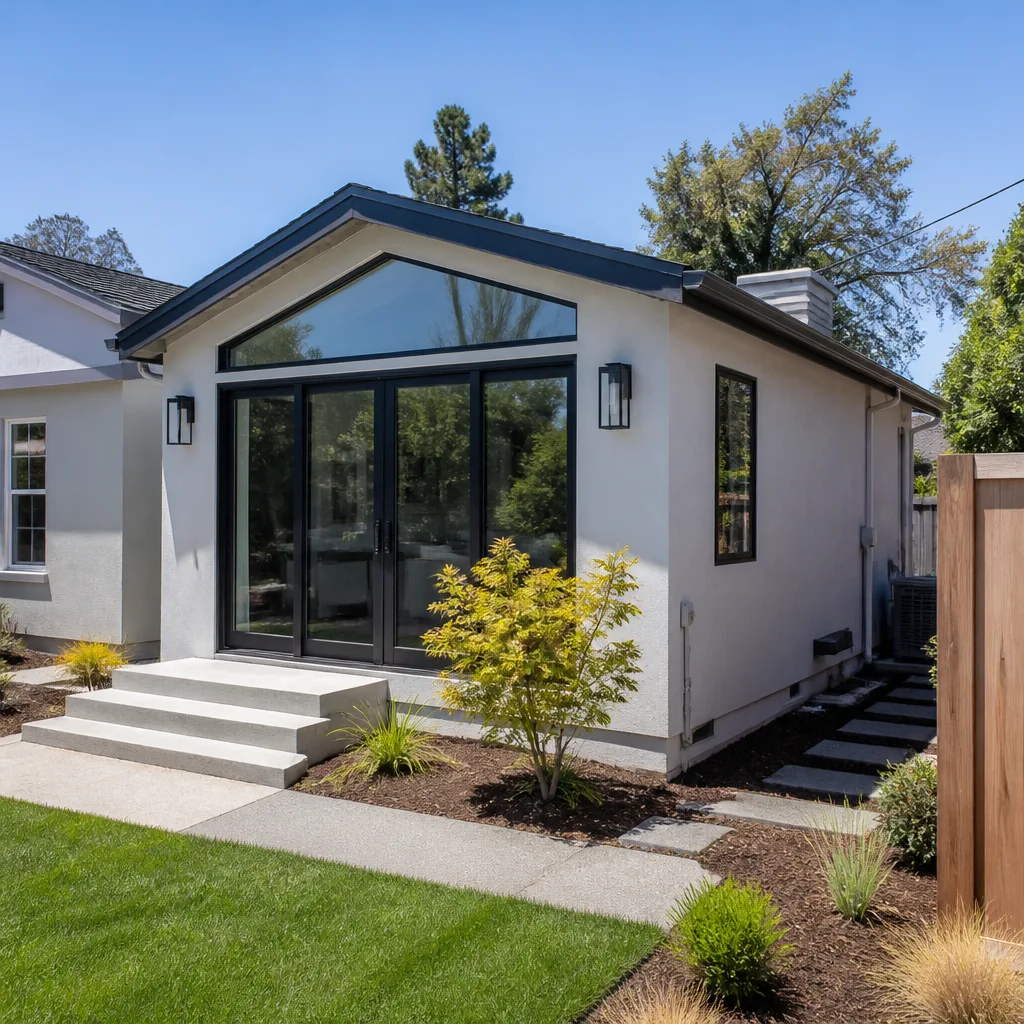 Home additions & ADU
 Kitchen remodeling
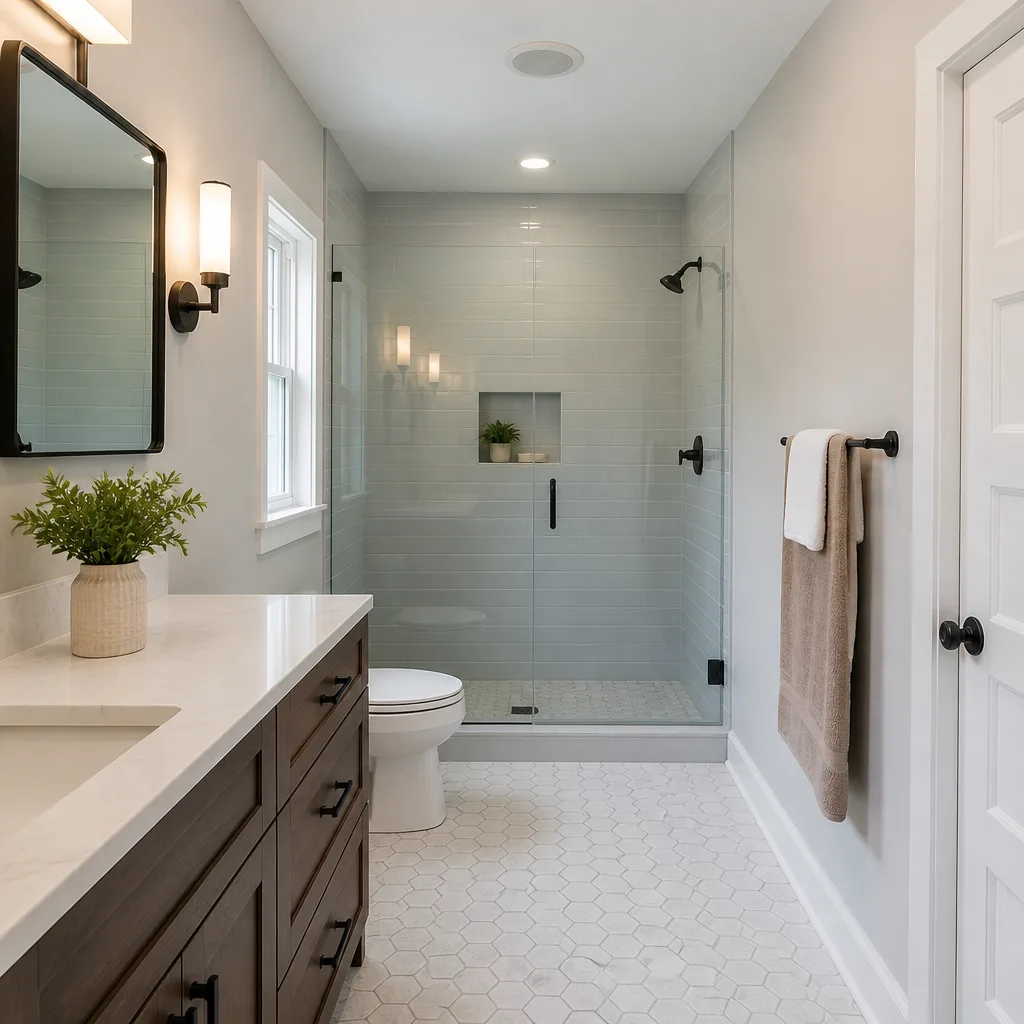 Bathroom remodeling
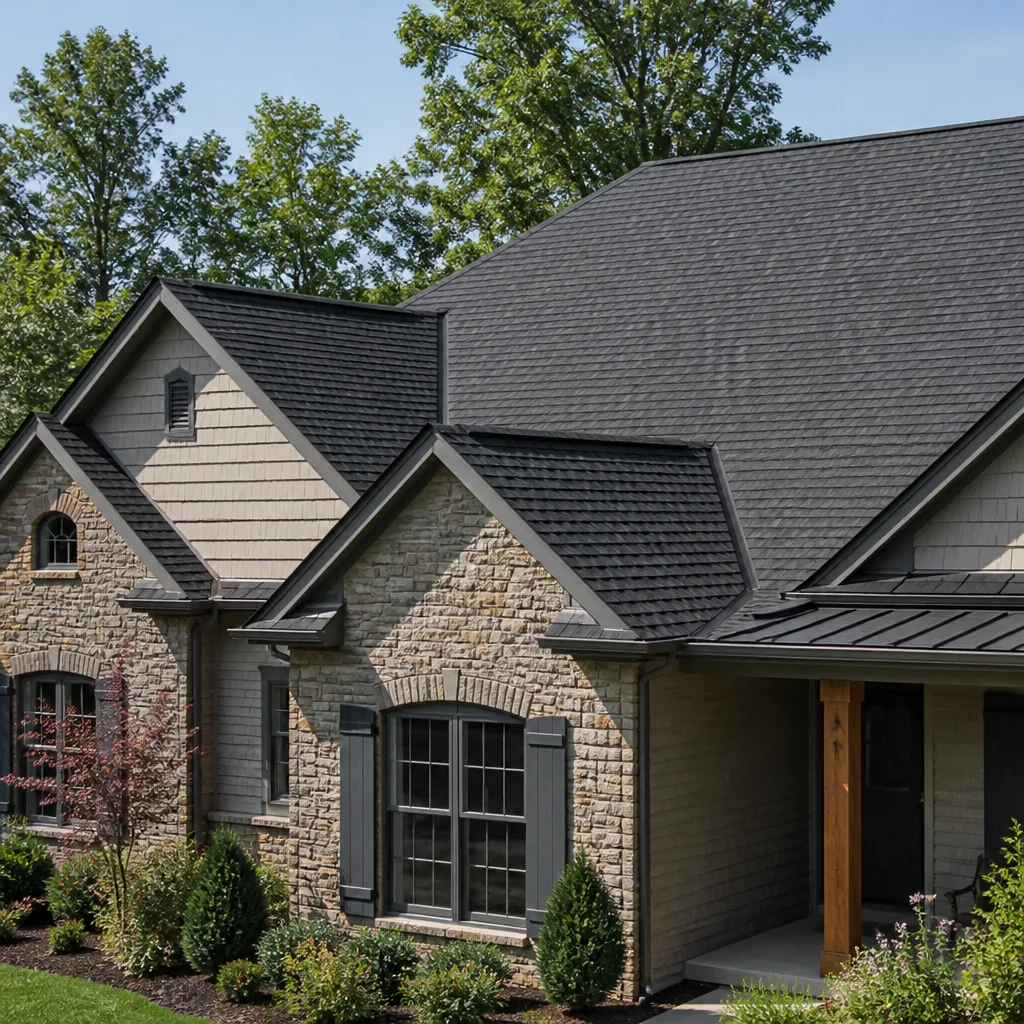 Roofing
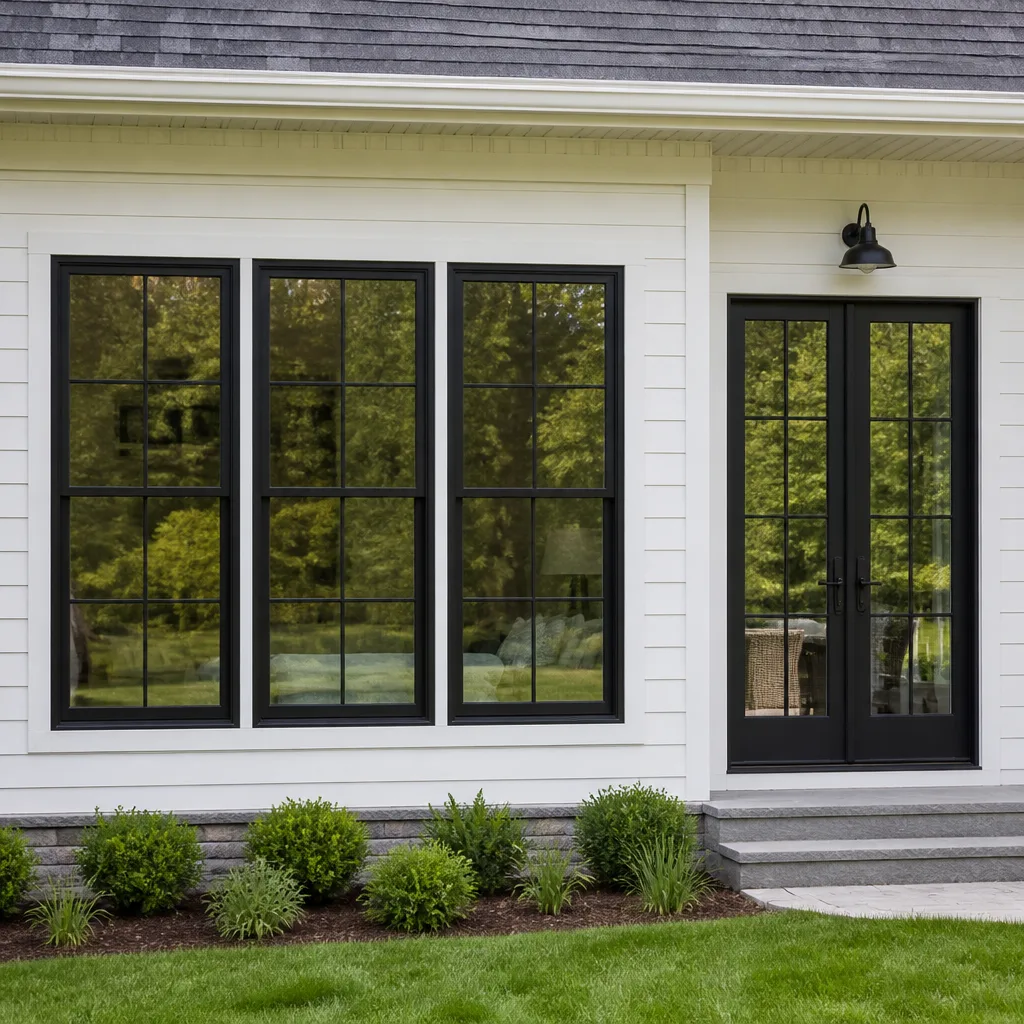 Windows & doors
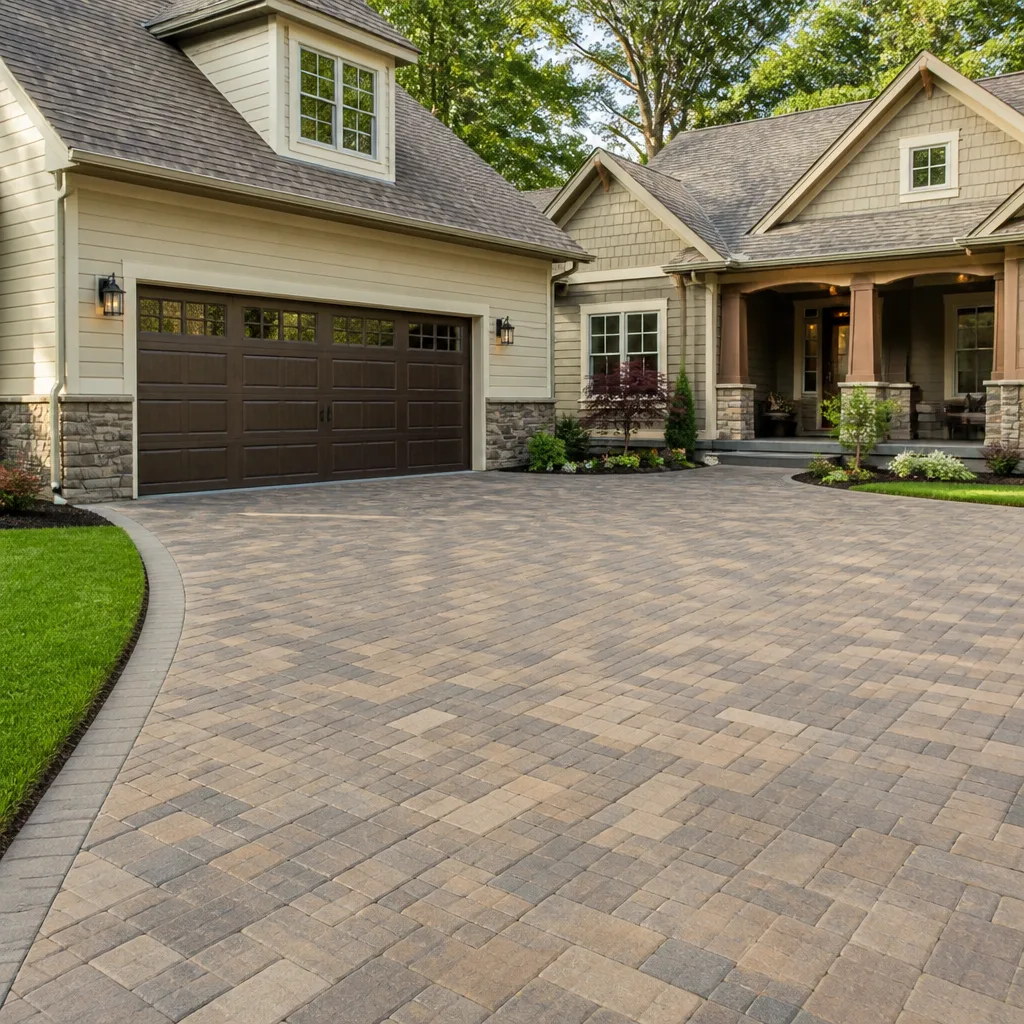 Driveway & pavers
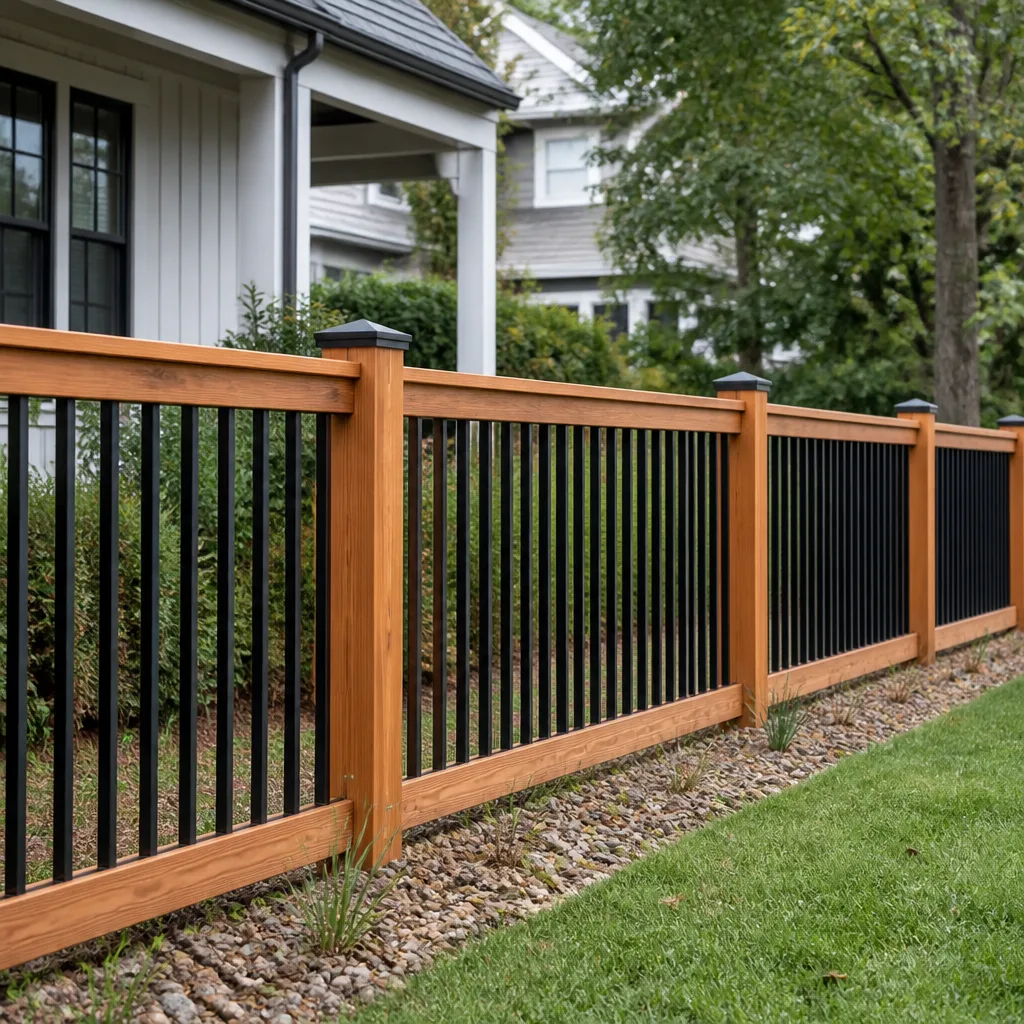 Fence
Free written scope consultation - allowances, timeline, and change-order rules on paper before a single trade is scheduled
The Complete General Contractor Guide for Indio Homeowners
Most general contractor guides read like they were written for a mild coastal climate, and that’s a problem when you’re planning a renovation in Indio. Summer ground temperatures near slab level here routinely exceed 140°F, and the desert’s caliche soil doesn’t behave like the loamy dirt those generic guides assume. What you’re about to read is The Complete Guide to Construction in Indio: a map of how Indio’s climate, soil, and building code change the way your project should be specified, sequenced, and priced. By the end, you’ll know which questions to ask a contractor, which materials earn their cost in the Coachella Valley, and how to read a scope of work so nothing gets quietly assumed away.
Quick Answer
A general contractor guide for Indio homeowners needs to address what generic guides miss: desert-specific foundation prep for caliche soil, roofing and stucco systems built for 110°F-plus summers and high UV, window and door ratings that hold up to thermal expansion, and sequencing that keeps HVAC, insulation, and roof decisions from colliding. The right Indio general contractor coordinates every trade under one contract so you’re not left resolving conflicts between separate subs, and the best starting point is a written scope of work that names materials, brands, and coordination responsibilities explicitly. For a deeper look at what this coordination covers, see our General Contractor services.
Styles & brands we work with
Table of Contents
- Why Indio Projects Fail That Coastal Projects Don’t
- Caliche, Soil Movement, and What It Means for Your Foundation
- Material Specs That Actually Matter in the Coachella Valley
- Why Single-Source Coordination Prevents Mismatched Systems
- Indio Permit Timelines and the Delays Nobody Warns You About
- How to Read a Scope of Work Document Like a Pro
- The Real Cost Drivers for Indio Renovations
- Common Mistakes to Avoid
- When to Call a Professional
- Frequently Asked Questions
Why Indio Projects Fail That Coastal Projects Don’t
Indio’s desert conditions accelerate material failures and construction mistakes in ways that surprise homeowners who’ve renovated elsewhere. The combination of extreme diurnal temperature swings, single-digit humidity during peak summer, and UV exposure that measures among the highest in the continental U.S. means materials expand, contract, and degrade on a different schedule than they would in Los Angeles or San Diego. A stucco mix that holds up fine in a marine layer climate can crack within three Indio summers if the expansion joints weren’t calculated for 40-degree daily temperature swings.
In our experience across general contractor work in Indio, the most common failure points trace back to specifications copied from coastal or northern California projects. Roofing underlayment rated for moderate heat will break down faster under relentless infrared load. Window seals fail early when glass packages aren’t specified for high thermal stress. Exterior paint fades and chalks in half the expected service life when lower-grade resins are used. The pattern is consistent: the material was adequate, but the specification didn’t account for where Indio actually is.
What this means practically is that your contractor selection process needs to filter for desert-specific knowledge. You don’t need someone who has built hundreds of homes in Phoenix or Las Vegas, but you do need someone who has built in Indio long enough to know that August afternoon shade temperatures are only part of the story. Radiant heat from pavement and adjacent structures pushes surface temperatures well above air temperature, and that changes how a professional specifies everything from exterior paint to the expansion gap in a paver patio.
Caliche, Soil Movement, and What It Means for Your Foundation
Indio sits on a geological reality that most homeowners never think about until a foundation issue forces the conversation. Caliche, the calcium-carbonate hardpan that runs through much of the eastern Coachella Valley’s soil profile, creates two distinct challenges for any project that touches the ground. First, caliche layers can be effectively impermeable, which changes drainage behavior around your foundation. Second, caliche’s hardness is inconsistent: a grading crew might hit calcified zones hard enough to require different equipment than the original soil report anticipated.
Here’s what a desert-savvy general contractor should be doing differently in Indio:
- Soil testing beyond the minimum. A standard geotechnical report tells you basic bearing capacity. In caliche-heavy areas, you want a boring that identifies the depth and continuity of hardpan layers, because the foundation strategy differs depending on whether you’re building on top of caliche, partially through it, or above it with fill.
- Excavation planning for unexpected hardpan. The GC should have a written plan for what happens when excavators hit hardpan that requires ripping or breaking, and who pays for that equipment change. This is a common change-order trigger in Indio projects.
- Drainage design for low-permeability soil. When the ground won’t absorb water quickly, you need positive drainage slopes, French drains with engineered aggregate, and sometimes dry wells sized for monsoon downpours. Generic drainage assumptions don’t survive an Indio monsoon.
- Expansive clay zones east of the city. Some Indio-adjacent areas have clay lenses that swell and shrink with moisture. Your GC should be checking soil maps and moisture patterns, not treating the whole valley as uniform.
Most of this work is invisible once the project is done, which is exactly why it gets skipped by contractors who only compete on price. Foundation preparation in Indio is the difference between a slab that stays flat for 30 years and one that telegraphs cracks through your tile within three.
Material Specs That Actually Matter in the Coachella Valley
Manufacturers make products for national markets. Their default specs assume average conditions, and average conditions don’t exist in Indio. A general contractor who knows the Coachella Valley will push past manufacturer defaults to specify materials that survive here specifically. This isn’t about spending more money on everything. It’s about spending money where the desert demands it and avoiding overspending where it doesn’t.
Stucco and exterior cladding. Traditional three-coat stucco works in Indio, but the mix and control joints matter more than brand. You want a GC who specifies elastomeric finishes in high-movement areas, adds expansion joints at closer intervals than northern California standards, and knows that James Hardie fiber cement products are a legitimate alternative when homeowners want a different look that still breathes correctly in low humidity.
Roofing systems. The roofing brands we return to for Indio projects include GAF, CertainTeed, and Owens Corning, but the product line within each brand matters more than the logo. In the low desert, you’re looking for high-reflectance cap sheets or shingles rated for high-wind and impact resistance, underlayment systems designed for sustained high heat, and ventilation configurations that don’t cook the attic into an oven that transfers heat into your living space. A roof that hits 160°F at 4 p.m. in August radiates heat downward long after sunset if the assembly wasn’t designed right.
Windows and doors. The window debate in Indio is settled: dual-pane is the baseline, low-E coatings should be a standard spec, and frames need thermal performance ratings that account for expansion and contraction cycles. Brands like PGT and CGI build products tested for the kind of thermal cycling Indio throws at them, and the difference shows up in air leakage and seal failure rates over the first five years.
Hardscaping. Pavers and hardscape live or die by the base prep and the product’s thermal stability. When we build paver patios and walkways in Indio with materials from Belgard, Unilock, or Techo-Bloc, the conversation is about the full system: proper excavation depth for sandy desert soil, geotextile separation where needed, and paver joints designed to allow thermal expansion without heaving. A paver patio that fails in Indio is almost always a base prep failure, not a product failure.
Why Single-Source Coordination Prevents Mismatched Systems
The most expensive problems in a renovation are rarely individual material failures. They’re integration failures: an HVAC system sized by one company, a roof assembly specified by another, and attic insulation decided by whoever got there first. When these subsystems are designed independently, the result is a house that works against itself.
Consider a full home renovation in Indio where you’re replacing the roof, upgrading insulation, and adding a new HVAC system. Each trade has a defensible answer in isolation. The roofer specs a darker shingle because you like the look. The insulator recommends R-38 blown fiberglass. The HVAC contractor runs a Manual J calculation and sizes for a 5-ton unit. But here’s the sequence breakdown: a dark roof in Indio can add 10-15°F to attic temperatures, which changes the insulating value of the blown fiberglass, which changes the effective load on the HVAC system. Three independent decisions, one underperforming result.
A single-source general contractor owns that entire chain. The roof spec gets coordinated with the insulation spec, which gets coordinated with the HVAC load calculation. One team, one set of assumptions, one accountable answer. This is why full home remodeling in Indio works better under a GC who coordinates rather than a homeowner acting as their own general contractor. You’re not just buying labor. You’re buying the person who catches the interconnection before it becomes a $6,000 mistake.
Prefabricated ADUs add another layer where coordination matters. When we install structures from manufacturers like Abodu, Dvele, Mighty Buildings, or Boxabl, the site prep, foundation, utility connections, and finishing work all need to line up with the manufacturer’s specifications. If the concrete pad is off by an inch, or the electrical rough-in doesn’t match the panel location, the prefab delivery gets delayed and costs stack up. One accountable contractor handles that entire sequence.
Indio Permit Timelines and the Delays Nobody Warns You About
The City of Indio Building & Safety division processes permits through standard channels, but the timeline has quirks that catch first-time renovators off guard. Plan review for a full addition or substantial remodel in Indio typically runs longer than the optimistic estimates you’ll hear from contractors trying to win your business, and the reasons are mostly structural: staffing, workload from new residential development, and the specific review requirements for projects in flood zones or with heritage designations.
Here are the delays nobody mentions until you’re already in them:
- Third-party review routing. Indio routes some plan checks through outside agencies for specific disciplines, which adds time you can’t control no matter how responsive your GC is.
- Resubmission cycles for corrections. A plan set that comes back with a correction request resets part of the review queue. Experienced Indio GCs submit plans that anticipate common correction triggers the first time.
- Utility coordination. When your project touches gas, electrical service, or water lines, the utility’s timeline runs parallel to the city’s, and sometimes the utility is the slow one.
- Monsoon-season slowdowns. Inspections don’t stop in the summer, but flash flood events and extreme heat days can affect field inspection availability in ways that push timelines.
A realistic permit timeline conversation with your contractor should cover what happens at each stage, what the contractor does to reduce resubmission risk, and when the utility companies get pulled into the sequence. If a contractor waves off permit questions with “don’t worry, we handle it,” that’s a signal to dig deeper.
How to Read a Scope of Work Document Like a Pro
The scope of work is the contract’s soul. It’s where a reliable contractor shows you exactly what’s included, what’s excluded, and who coordinates what. A vague scope is a change-order factory. A precise scope is a sign that the contractor has built enough projects to know where assumptions cause disputes.
Here’s a five-point checklist for reading a scope document before you sign anything in Indio:
- Look for named materials, not just categories. “Countertops: engineered quartz” tells you a category. “Countertops: Cambria Brittanicca or Silestone Ethereal Glow, 3cm thickness, mitered edge” tells you exactly what you’re getting. When we write scopes for home renovation in Indio, we name the brand and product line because that specificity protects the homeowner.
- Hunt for the coordination clause. Does the scope say who schedules the electrician, who confirms the plumbing rough-in is correct before drywall, who verifies the prefab manufacturer’s specifications are met? If the scope doesn’t name a coordinating party, it defaults to you, and you didn’t sign up for that job.
- Check for exclusions that should be inclusions. Some scopes quietly exclude dumpster fees, permit costs, utility connection charges, or finish-level drywall work. Read the exclusions section as carefully as the inclusions. The excluded items are where surprise invoices appear.
- Verify the allowance amounts are realistic. Allowances for fixtures, tile, and finishes should reflect current Indio market prices. A $5-per-square-foot tile allowance might have been realistic five years ago, but it won’t cover what you’ll actually choose today.
- Find the payment schedule and tied milestones. Payments should tie to completed work milestones, not calendar dates. If a 30% deposit is followed by 30% at “start of framing,” make sure you know what triggers that milestone and who verifies completion.
A scope of work that’s three pages long for a full-home renovation is a red flag. A scope that’s 20 pages and includes coordination responsibilities, named materials, and explicit exclusions is a contractor who has learned through hard experience where projects go wrong.
The Real Cost Drivers for Indio Renovations
Indio renovation pricing doesn’t track coastal California pricing, and it doesn’t track national averages either. For a detailed breakdown, see our Construction Cost Breakdown: The Indio Homeowner’s Reference for 2026. The drivers are desert-specific, and understanding them helps you separate a fair quote from a padded one.
Foundation work. Caliche conditions make excavation unpredictable, and good contractors price that risk honestly. A quote that assumes clean digging all the way down is likely to generate a change order when the excavator hits hardpan.
High-performance glazing and roofing. The delta between builder-grade windows and PGT or CGI-rated products is real, but so is the performance difference under Indio’s thermal load. Quality roofing from GAF or Owens Corning costs more upfront and saves money on cooling within years, not decades.
Labor availability. The Coachella Valley’s construction market gets busier during the shoulder seasons when snowbirds return. Pricing reflects that seasonality. Planning your project outside the peak rush can reduce both direct costs and scheduling delays.
Prefab and ADU economics. The prefab route, using structures from Abodu, Dvele, or Boxabl, can reduce on-site construction time and financing costs, but site prep demands don’t go away. The pad, utilities, and foundation work are the same whether the structure is built on-site or arrives on a truck, and in Indio’s soil conditions that work needs to be done correctly the first time.
None of these cost drivers should be a surprise in a well-written proposal. Ask your contractor which drivers apply to your specific project and how they’ve priced for them. If you get blank stares, keep looking.
Common Mistakes to Avoid
- Specifying cool-climate roofing details. What works in San Diego fails in Indio. Underlayment, ventilation, and reflective surfaces all need desert-specific specifications, and installing a coastal-standard roof here means re-roofing sooner than the warranty suggests.
- Skipping the soil conversation entirely. If your contractor never mentions caliche or soil testing before quoting foundation work, they haven’t built enough in Indio to know the ground they’re working on.
- Choosing products on looks alone. A paver from any manufacturer can look great in the showroom. In Indio, Belgard and Unilock products designed for thermal stability and UV resistance will look better five years later than a price-driven alternative that fades and shifts.
- Hiring separate trades without a coordinating contractor. The homeowner-as-GC route saves markup but transfers every coordination risk, every scheduling gap, and every finger-pointing resolution to you. In a full-scope project, that risk costs more than the markup.
- Treating the permit process as an afterthought. Indio’s review timeline can stretch. Starting the permit conversation after you’ve already scheduled materials delivery or committed to a move-in date creates stress that better planning would have avoided.
- Signing a vague scope of work. A scope that doesn’t name materials, define coordination responsibility, or state exclusions explicitly is a promise to negotiate every disagreement later. The time to clarify is before the contract is signed, not when the drywall is up.
When to Call a Professional
If your project touches structural elements, alters the roofline, moves plumbing or electrical, or requires pulling permits from the City of Indio, you need a licensed general contractor. The threshold isn’t just legal, it’s practical: the moment two trades need to coordinate, the project becomes a management job, and managing it yourself while living in a construction zone is how good renovations go sideways. Certain projects, like prefab ADU installations from Abodu or Dvele, have manufacturer requirements that effectively mandate professional site supervision, and the warranty implications of a DIY install rarely work in the homeowner’s favor. If you’re planning a meaningful renovation in Indio, the free-est decision you’ll make is asking the right questions early. Find more guides & resources on our blog. Briar Contractors offers free estimates in Indio, call (833) 467-4442.
Frequently Asked Questions
General contractor fees in Indio typically run 15% to 25% of total project cost, depending on scope, phasing, and the amount of coordination required. Desert-specific site conditions, including caliche excavation and high-performance material specifications, can shift total project costs above national averages. Call (833) 467-4442 for a line-item estimate specific to your project.
Yes, the City of Indio requires permits for structural changes, electrical and plumbing work, window and door replacements that alter openings, roof replacements, and most additions and ADUs. Cosmetic work like paint, flooring, and cabinet refacing typically doesn’t require a permit, but anything touching structure or systems does.
Indio permit review timelines vary by project type and current workload, but full remodels and additions commonly take several weeks to a few months from submittal to issuance, not including resubmission cycles. Working with a contractor who knows what Indio plan reviewers look for reduces the back-and-forth that extends timelines.
High-reflectance asphalt shingles from manufacturers like GAF, CertainTeed, or Owens Corning perform well in Indio when paired with proper attic ventilation and desert-rated underlayment. Tile roofing also works, but the underlayment specification matters more than the tile itself in the Coachella Valley’s heat.
Legally, owner-builder projects are allowed in California, including Indio, but the city’s permit review expects you to meet the same building code standards as a licensed contractor. The coordination burden of a multi-trade project, combined with the desert-specific specification knowledge required, makes this path riskier for anything beyond a single-trade remodel.
Prefab ADUs from manufacturers like Abodu, Dvele, Mighty Buildings, and Boxabl can work well on Indio lots, but site prep drives the timeline and cost. Caliche soil conditions, utility trenching, and foundation pad accuracy are more important to get right than the specific prefab brand choice, and a general contractor experienced with prefab installations in Indio makes a measurable difference in the result.
The Bottom Line
Indio is not a generic construction market, and your contractor selection should reflect that. The soil, the sun, the thermal swings, and the permit environment all shape how your project should be specified and built, and a contractor who learned their trade on coastal projects will learn expensive lessons on your dime. What you want is someone who knows caliche, who names materials instead of categories, and who coordinates every trade under one accountable roof. The scope of work is your contract’s soul: read it like a hawk, ask about exclusions, and don’t sign anything vague. If you’re planning a project in Indio, call Briar Contractors at (833) 467-4442 for a free estimate and a scope conversation that leaves nothing assumed.
Written by the team at Briar Contractors, serving Indio since 2018.
See the difference
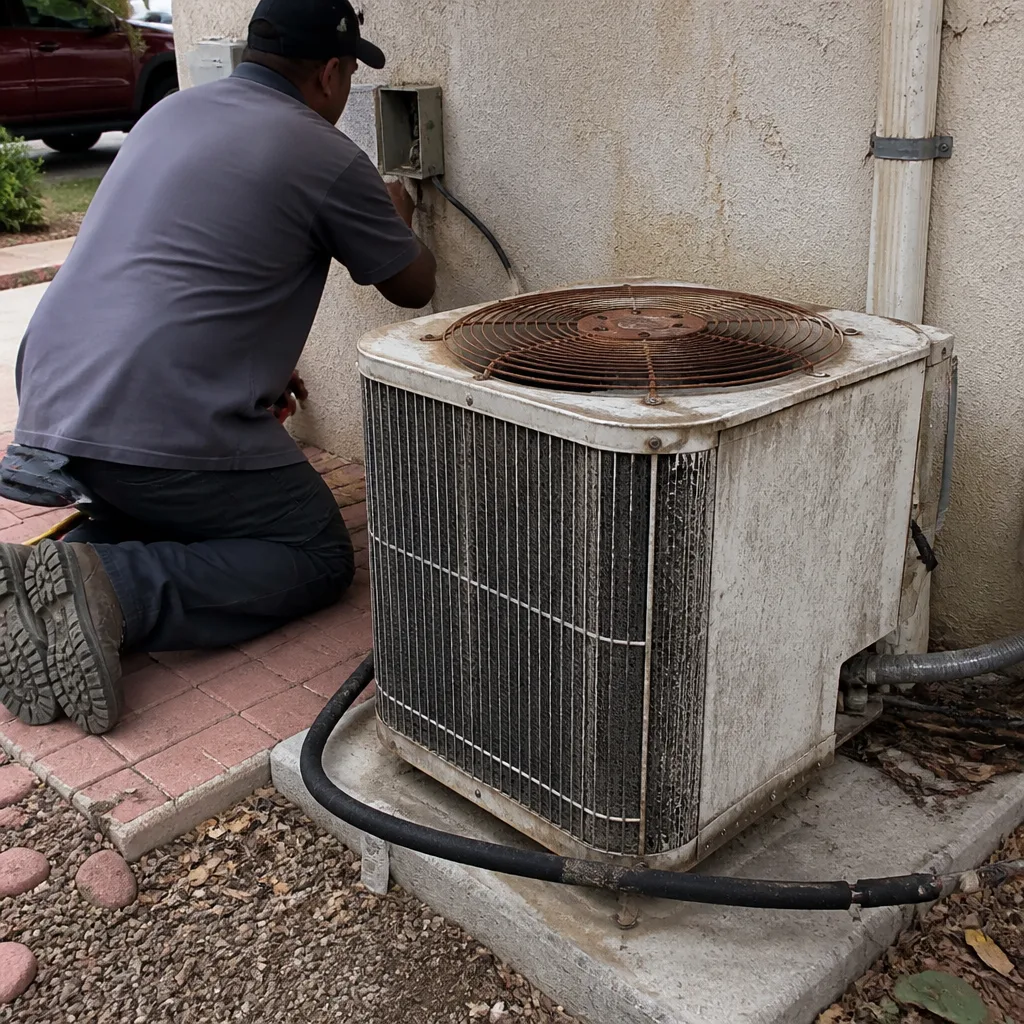 Before
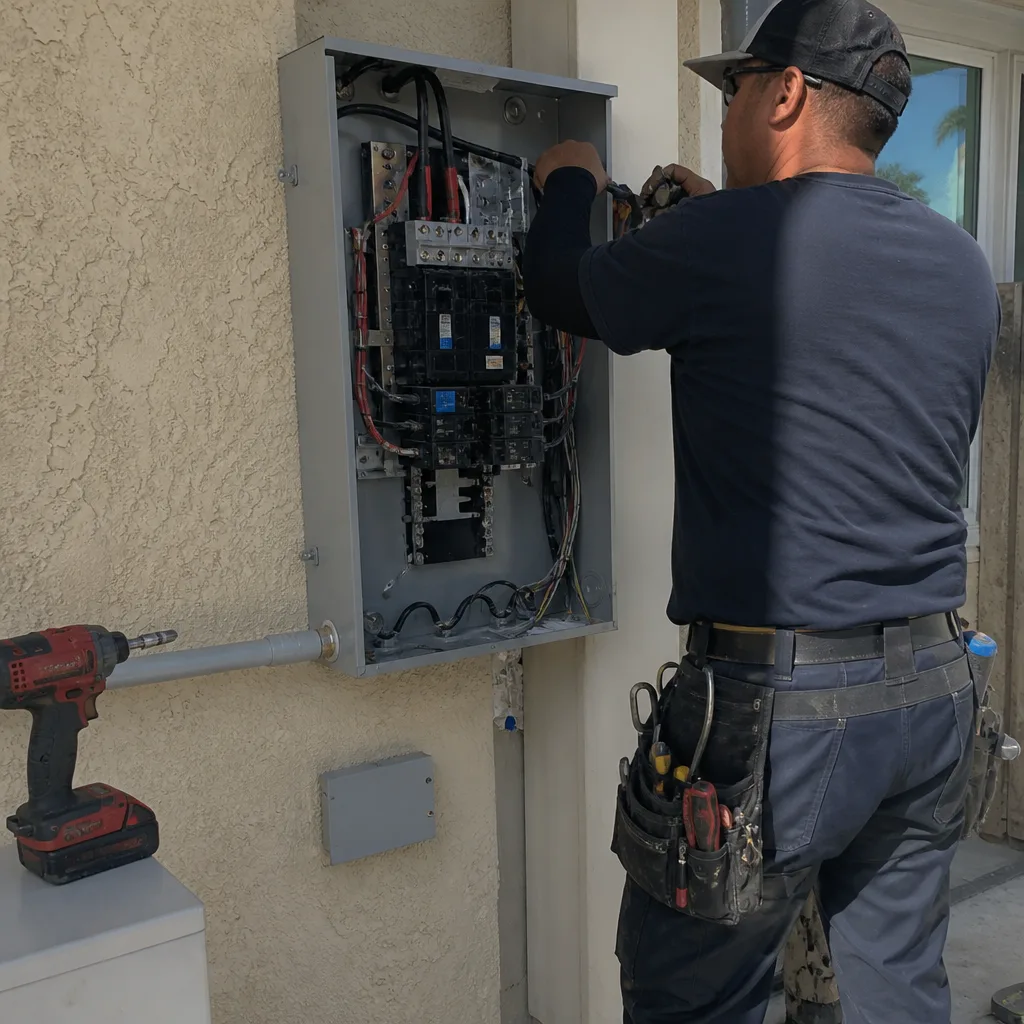 After
 Before
 After
 Before
 After