
Last updated October 30, 2026
 Kitchen remodeling
 Bathroom remodeling
 Home additions & ADU
 Roofing
 Windows & doors
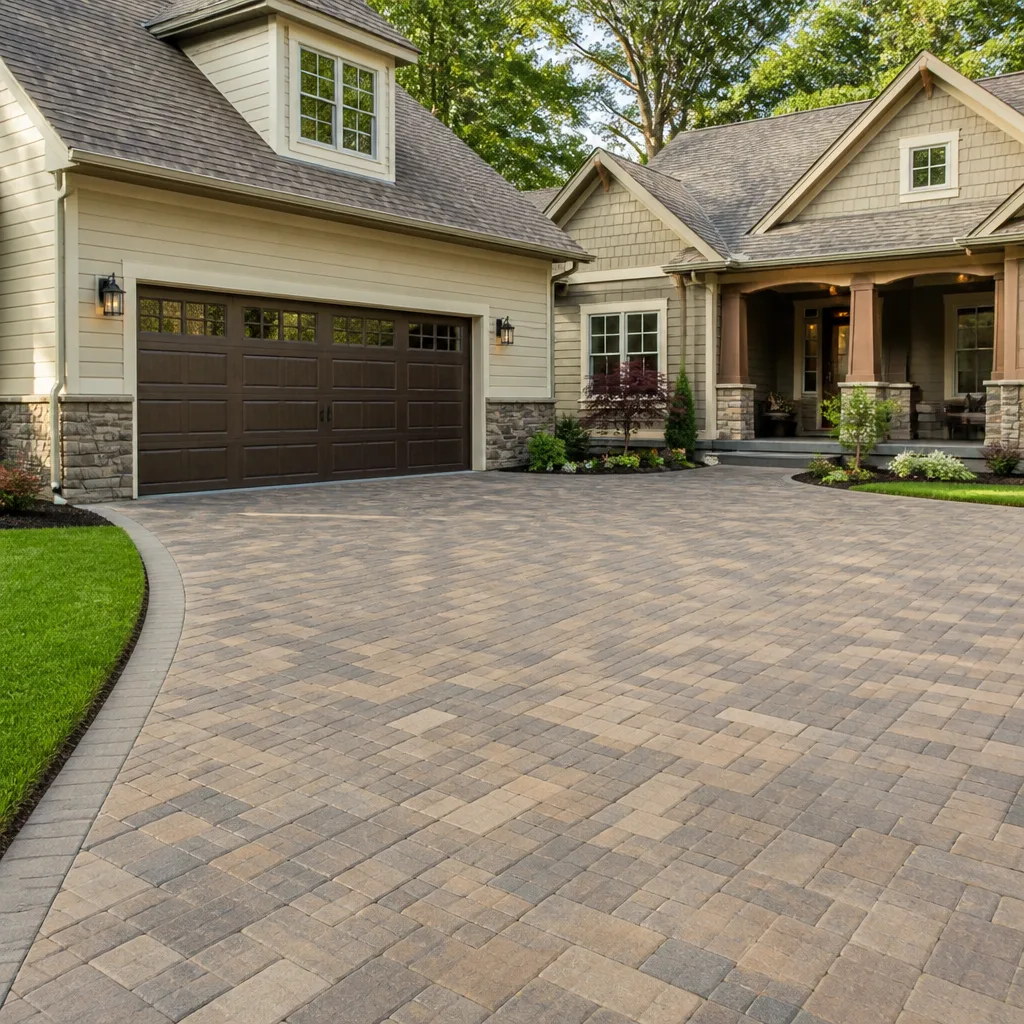 Driveway & pavers
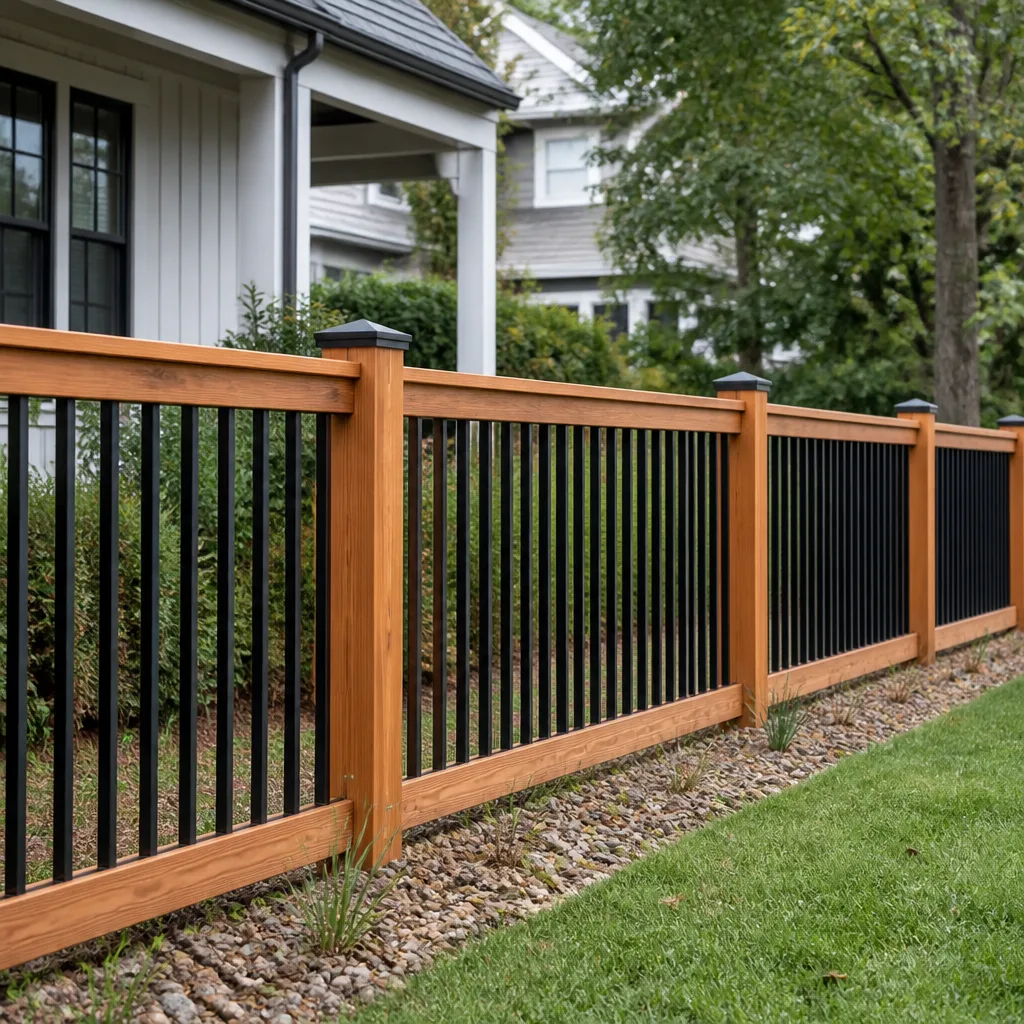 Fence
Free written scope consultation - allowances, timeline, and change-order rules on paper before a single trade is scheduled
The Complete Guide to Construction in Indio
Caliche hardpan sits just 18 to 36 inches below grade across much of Indio, and contractors who don’t know that will hand you a foundation bill revision before the first wall goes up. That’s not a scare tactic. We’ve watched out-of-region builders bid low on Indio remodels, then discover that a standard trencher won’t touch what’s under the topsoil. This guide walks you through every phase of construction and remodeling in Indio – from soil testing to final inspection – through the lens of what actually happens in the Coachella Valley, and you can find more guides & resources on our blog. You’ll learn how desert heat changes material choices, why wind load matters more than you’d expect, and how the permitting path shifts depending on which side of the city line your parcel sits.
Quick Answer
Construction in Indio means building around caliche soil, extreme summer heat, and desert wind abrasion – conditions that affect foundation design, Title 24 energy compliance, and exterior material selection more than most homeowners expect. Most projects in Indio fall under City of Indio jurisdiction, but county parcels follow Riverside County rules, which changes permit timelines and inspection requirements. A qualified general contractor in Indio plans for these constraints from day one, which keeps your budget predictable and your schedule honest.
Styles & brands we work with
Table of Contents
- Caliche Soil and What It Means for Your Foundation
- City of Indio vs. Riverside County: Which Jurisdiction Governs Your Project
- Title 24 in Climate Zone 15: What Indio’s Energy Code Actually Demands
- Wind, Sand, and Sun: Choosing Exterior Materials That Survive the Desert
- Phasing Your Project Around Indio’s Seasons
- Material Selection: Why Brand Names Matter in a Desert Climate
- ADUs and Prefab Structures in Indio
- Common Mistakes to Avoid
- When to Call a Professional
- Frequently Asked Questions
Caliche Soil and What It Means for Your Foundation
Caliche is a hardened layer of calcium carbonate that forms just beneath the surface in arid regions, and it’s everywhere in Indio. Depending on your specific parcel, you’ll hit it anywhere from 18 to 36 inches down. Some pockets of the city have caliche so dense it requires pneumatic hammers to break through. Others have a softer layer that a standard excavator can manage. You won’t know which you have until a soils report comes back.
Here’s what caliche actually changes for your project:
- Footing depth: Standard California foundation depths don’t always apply. If caliche sits near the surface, footings may need to bear directly on the hardpan rather than below it. A geotechnical engineer will specify exact depths after testing.
- Excavation cost: Trenching through caliche runs significantly slower than digging standard soil. Contractors who bid without accounting for this will either inflate their change orders or cut corners elsewhere to compensate.
- Drainage behavior: Caliche is relatively impermeable. Water that hits it doesn’t drain – it pools or runs laterally. This affects foundation drainage design and why properly installed perimeter drains matter more here than in coastal California.
- Pool and plumbing trenches: If your project includes new sewer lines, pool plumbing, or utility runs, expect caliche-related excavation costs on any trench deeper than the topsoil layer.
The smart approach is simple: order a soils report before you finalize any foundation design. It’s a few thousand dollars that will save you five to ten times that in surprise excavation costs. In Indio, guessing at soil conditions isn’t a gamble – it’s a guaranteed budget overrun.
City of Indio vs. Riverside County: Which Jurisdiction Governs Your Project
Most addresses with an Indio mailing label fall under City of Indio building jurisdiction. But the Coachella Valley has plenty of county pockets, and if your parcel sits in one, you’ll file through Riverside County instead. This isn’t a technicality – it changes your permit timeline, inspection scheduling, and which codes get enforced with what level of scrutiny.
A practical breakdown:
- City of Indio: Generally faster plan review for standard remodels. The city uses an online permitting portal, and single-trade permits for smaller work can clear in under two weeks. Plan check comments tend to focus on structural and energy compliance.
- Riverside County: Larger staff, but also longer queue times for plan review on bigger projects. County jurisdiction applies to unincorporated parcels with Indio addresses, particularly around the edges of the city. Expect a more paperwork-heavy process for the same scope of work.
- Overlapping rules: Some projects trigger both city and county review – for example, septic system work on a county parcel with city water service available. A contractor who knows Indio will flag these overlaps before you submit.
You can verify jurisdiction in under two minutes. Pull up your parcel on the Riverside County Assessor map, check the jurisdiction field, and confirm. Or call the City of Indio building department and give them your APN. They’ll tell you directly. Knowing this before you hire anyone prevents the awkward moment where your contractor discovers they’ve been pricing a city permit but need a county one.
Title 24 in Climate Zone 15: What Indio’s Energy Code Actually Demands
Indio sits in California Climate Zone 15, one of the hottest and most cooling-dominated zones in the state. Title 24 – California’s building energy code – treats your house differently than it treats a home in coastal San Diego or foggy San Francisco. The requirements are more aggressive because the cooling load here is relentless.
What Climate Zone 15 means for your remodel or addition:
- Insulation requirements: Attics in Indio need higher R-values than most of the state. For new additions, expect R-38 attic insulation minimums, and don’t be surprised if your plan reviewer pushes for R-49. Wall insulation requirements are standard, but air sealing matters more here than anywhere.
- Glazing: Windows are the weak point in any Indio home. Title 24 requires low-e glazing with a low solar heat gain coefficient (SHGC). In plain English: windows that block heat transfer. You’ll see SHGC ratings of 0.25 or lower specified for west-facing glass.
- HVAC sizing: Title 24 now requires a load calculation using approved software, not a rule-of-thumb guess. In Indio’s climate, oversizing an AC unit creates humidity problems and short-cycling. A proper Manual J calculation often results in a smaller, more efficient system than homeowners expect.
- Cool roof standards: If your project includes re-roofing, Title 24 mandates cool roof materials in Climate Zone 15. That means roofing products with a high solar reflectance index, which reduces heat absorption and actually extends the life of your roof.
Here’s the part most guides skip: Title 24 compliance in Indio is audited. The California Energy Commission periodically reviews permits in high-penalty zones, and Climate Zone 15 qualifies. A contractor who slaps together energy documents from a previous project in another city won’t pass. You need climate-specific documentation, and you want it done before you submit, not after the plan checker rejects your file.
Wind, Sand, and Sun: Choosing Exterior Materials That Survive the Desert
The Coachella Valley isn’t just hot – it’s windy. Sustained afternoon winds blow through the San Gorgonio Pass and across Indio, carrying fine sand that works like a low-grade sandblaster on every exposed surface. Your exterior finish choices matter more here than they do nearly anywhere else in California.
What desert wind and sand actually do to your home:
- Stucco finish coats: Standard sand finish stucco erodes under repeated sand abrasion. In Indio, we recommend a harder acrylic or elastomeric finish coat that resists pitting. The upgrade costs more upfront but buys you years of protection.
- Paint and coatings: Alkyd or oil-based primers hold better against sand abrasion than latex-only systems on trim and exposed wood. South-facing walls get hammered hardest.
- Windows and exterior glass: Low-e coatings help with heat, but the frames matter for wind. Look for windows rated for high wind zones. Impact-rated products – PGT, CGI, and ECO Window Systems all manufacture for the desert market – hold up to both wind load and airborne sand better than standard residential lines.
- Roofing underlayment: The roofing product you see is the shingle or tile, but the layer that does the real work in Indio is the underlayment. Wind-driven dust gets under the field material, and the underlayment is your last line of defense. Brands like GAF, CertainTeed, and Owens Corning all make desert-rated underlayment products that outperform basic felt.
The takeaway: don’t let anyone convince you that standard California exterior specifications work in Indio. They work in Riverside. They work in Ontario. They don’t work here, not for long. Material selection needs to start with the climate, not the showroom catalog.
Phasing Your Project Around Indio’s Seasons
Here’s a scheduling principle that saves real money in Indio: do structural work in any season, but schedule finish work around the monsoons. The valley’s late-summer monsoon season brings bursts of heavy rain and dust storms that can destroy installed finishes if you haven’t closed the building envelope, so emergency preparedness should be part of your planning.
A sensible phasing order for a major Indio remodel:
- Demo and structural work (October – March): Cooler temperatures make excavation easier, concrete cures more predictably, and your crew isn’t fighting 115-degree days. This is the window for foundation work, framing, and roof replacement.
- Building envelope (March – May): Get the structure weathertight before summer heat arrives. Install windows, doors, roofing underlayment, and exterior cladding while temperatures are still manageable.
- Rough-in mechanicals (May – June): HVAC, plumbing, and electrical rough-in can happen during early summer if the structure is enclosed. If you’re replacing the AC system, do it before peak demand hits.
- Exterior finishes (October – November): Wait for monsoon season to pass before applying exterior paint, sealant, or decorative finishes. A single dust storm during stucco curing ruins the finish coat.
- Interior finishes (any season): Once the envelope is closed and the building is conditioned, interior work becomes weather-independent. Paint, tile, cabinets, and trim can proceed on their own timeline.
This phasing isn’t just about comfort. It’s about avoiding rework. Finish work damaged by a monsoon dust storm gets redone at your expense, not the weather’s. A good home remodeling contractor in Indio builds the schedule around these realities, not around a generic four-week-per-phase template.
Material Selection: Why Brand Names Matter in a Desert Climate
We’ve built in Indio long enough to see the pattern: homeowners pick finishes from showroom displays designed for coastal or inland climates, and those finishes fail in the desert. The solution isn’t just picking stronger products – it’s picking the right product for each system, and that means being specific about brands and materials.
Here’s how we think about it, system by system:
- Cabinetry and interior finishes: Desert homes cycle through extreme humidity swings – bone dry to monsoon humid in 48 hours. Kitchen cabinetry built with stable joinery and quality hardware handles these swings. Lines like KraftMaid and Wellborn offer solid construction that doesn’t warp when the humidity spikes. We spec them often in Indio kitchens.
- Countertops: Quartz and engineered stone handle desert temperature swings better than natural stone. Cambria, Silestone, and Caesarstone all manufacture quartz surfaces that resist the fading and staining common in sun-drenched kitchens. The difference between Silestone and Caesarstone isn’t just marketing – it’s composition, pattern durability, and warranty structure. We recommend based on how you actually use your kitchen.
- Plumbing fixtures: Hard water in Indio puts real stress on faucets, valves, and showerheads. Brands like Kohler, Moen, and Delta build fixtures with ceramic disc cartridges that resist mineral buildup better than older washer-based designs. A Kohler shower valve and a Moen kitchen faucet are both fine choices – what matters is that your contractor knows the difference and installs them correctly.
- Hardscape materials: Pavers for Indio driveways and patios need to handle heat absorption without cracking or fading. Belgard, Unilock, Tremron, Techo-Bloc, and Cambridge Pavers all make products engineered for desert climates, but they differ in surface texture, color retention, and joint width requirements. The right choice depends on whether you’re paving a driveway, a pool deck, or a walkway.
The point isn’t that one brand always wins. The point is that your contractor should be able to name the brand, explain why it works in Indio specifically, and tell you when to spend more and when to step down. If you hear “we use good quality materials” without any names behind it, that’s a signal to keep looking.
ADUs and Prefab Structures in Indio
Accessory dwelling units are one of the fastest-growing project types in Indio, and for good reason. The city has taken a generally cooperative stance on ADU permits, and the valley’s broad lots accommodate detached units well. What most homeowners don’t realize is that the ADU decision isn’t just site-built versus prefab – it’s a materials and process decision that changes everything downstream.
On the prefab side, manufacturers like Abodu, Dvele, Mighty Buildings, and Boxabl produce factory-built units that arrive assembled or panelized. A prefab ADU can cut on-site construction time dramatically, which matters in Indio because you’re competing with heat windows for exterior work. The trade-off is that utility connections, foundation work, and site prep still happen on-site, and those parts are subject to the same caliche soil conditions as any other project.
Site-built ADUs offer more design flexibility, but they’re subject to the same phasing constraints as any Indio construction project. Either way, you’re looking at foundation work, electrical service upgrade, and plumbing connections tied to your main line. The permitting path for ADUs in Indio is generally streamlined under state law, but you still need to meet setback requirements, fire-safety standards, and Title 24 energy compliance. A contractor who handles the full home renovation scope in Indio can manage the ADU and the main house as one coordinated project, rather than treating them as two separate jobs.
Common Mistakes to Avoid
- Skipping the soils report: In Indio, this isn’t optional. A geotechnical report costs a few thousand dollars and saves you tens of thousands in excavation surprises. Contractors who say they’ll “figure it out during the dig” are telling you they’ll figure it out on your budget.
- Specifying standard California exterior finishes: What works in Los Angeles fails in Indio. Light-colored, hard-coat stucco with a wind-resistant finish coat and desert-rated roofing underlayment are the baseline, not the upgrade.
- Undersizing the HVAC system: An oversized AC unit creates humidity problems and short-cycles, wasting energy and wearing out components faster. In Climate Zone 15, a Manual J load calculation isn’t a nice-to-have – it’s a Title 24 requirement.
- Bidding before checking jurisdiction: City of Indio and Riverside County have different permit timelines and requirements. A contractor pricing a city permit for a county parcel is pricing the wrong job.
- Ignoring phasing reality: Exterior finishes applied during monsoon season will get hammered by dust and rain. Structural work scheduled for July will burn through your labor budget in overtime and heat delays. Season matters in the desert.
- Choosing materials by showroom appearance only: A beautiful quartz countertop from a coastal catalog might fade within two years under Indio’s sun exposure. Material choices need to start with the climate, not the showroom lighting.
- Hiring a contractor with no Indio project history: Desert construction has a learning curve. A builder with 20 years in Orange County will make expensive Indio mistakes in their first year here. Ask specifically about Coachella Valley project experience.
When to Call a Professional
The line between a project you can manage yourself and one that needs a licensed contractor comes down to scope and risk. Single-trade work – replacing a faucet, repainting an interior room, swapping a light fixture – is manageable for many homeowners. But the moment a project involves foundation work, structural changes, Title 24 compliance, or multiple trades that need coordination, you want a professional who knows Indio. Briar Contractors offers free estimates in Indio – call (833) 467-4442. We’ll walk the site, assess what you’re working with, and give you a written scope of work before you commit to anything.
Frequently Asked Questions
A kitchen or bathroom remodel in Indio typically takes 8 to 12 weeks from permit approval to final inspection, while a full home renovation runs 4 to 8 months depending on scope. The big variable in Indio is phasing – projects that sequence exterior work outside monsoon season and structural work outside peak summer tend to finish closer to schedule. Call (833) 467-4442 to get a realistic timeline for your specific project.
New construction in Indio generally runs $180 to $260 per square foot for standard finishes, while high-end custom work pushes above $300 per square foot; see our Construction Cost Breakdown: The Indio Homeowner’s Reference for 2026 for full details. Remodeling costs vary widely by system – kitchens run $40,000 to $90,000 for a full gut, bathrooms $15,000 to $35,000, and roofing $12,000 to $25,000 depending on material choice. The best way to get an accurate number is to call (833) 467-4442 for a free estimate based on your actual scope.
If your project involves foundation work, additions, or any excavation deeper than 18 inches, yes – a soils report is essential in Indio because of the caliche hardpan present across most of the city. For interior-only remodels that don’t touch the foundation, you typically don’t need one. Your contractor should assess this during the initial walkthrough.
City of Indio permits are processed through the city’s building department and tend to have faster turnaround for standard remodel work. Riverside County permits apply to unincorporated parcels with Indio mailing addresses and typically involve longer review times and more paperwork for the same scope. You can verify jurisdiction by checking your parcel on the Riverside County Assessor map or calling the City of Indio building department with your APN.
Yes. Indio is in Climate Zone 15, one of the most cooling-dominated zones in California, which means stricter attic insulation requirements, low solar heat gain windows, cool roof standards, and mandatory HVAC load calculations. A contractor who isn’t doing Climate Zone 15-specific energy calculations will fail plan check and delay your project. Call (833) 467-4442 to talk through what Title 24 means for your specific project.
Most Indio properties can accommodate an ADU under current state and city regulations, whether site-built or prefab. The real constraints are setback requirements, utility connections, and the caliche soil conditions that affect foundation work. Prefab brands like Abodu and Dvele can reduce on-site construction time, but site prep and utility work still follow the same desert-specific rules as any other project.
The Bottom Line
Construction in Indio succeeds or fails on local knowledge. Caliche soil changes foundation design. Climate Zone 15 changes energy compliance. Monsoon winds change exterior material choices. City versus county jurisdiction changes your permit timeline. Season changes your construction schedule. And all of it hinges on a contractor who knows the difference between building in coastal California and building in the Coachella Valley. You don’t need to become an expert in every system – you need a contractor who already is one. If you’re planning a project in Indio, call (833) 467-4442 for a free estimate. We’ll tell you what works, what doesn’t, and what it costs before you spend a dollar.
Written by the team at Briar Contractors, serving Indio since 2018.
See the difference
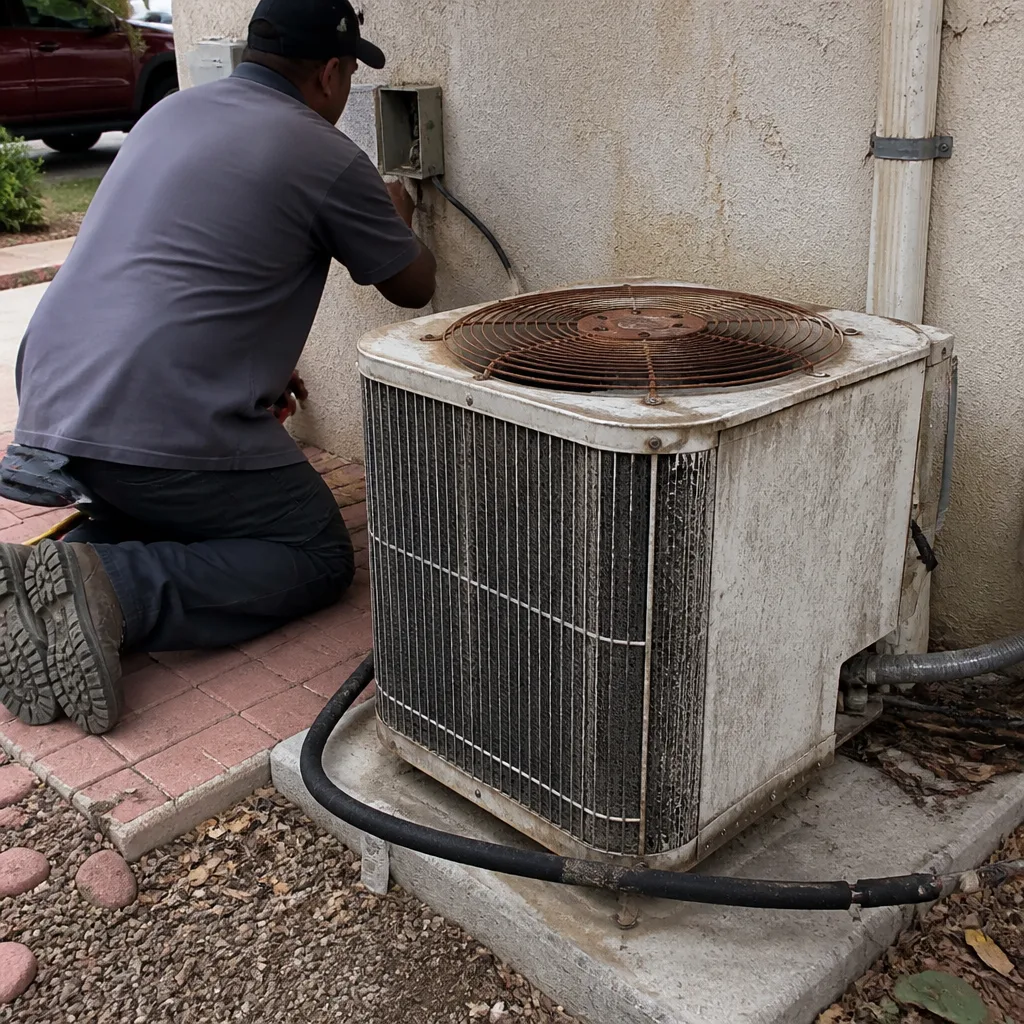 Before
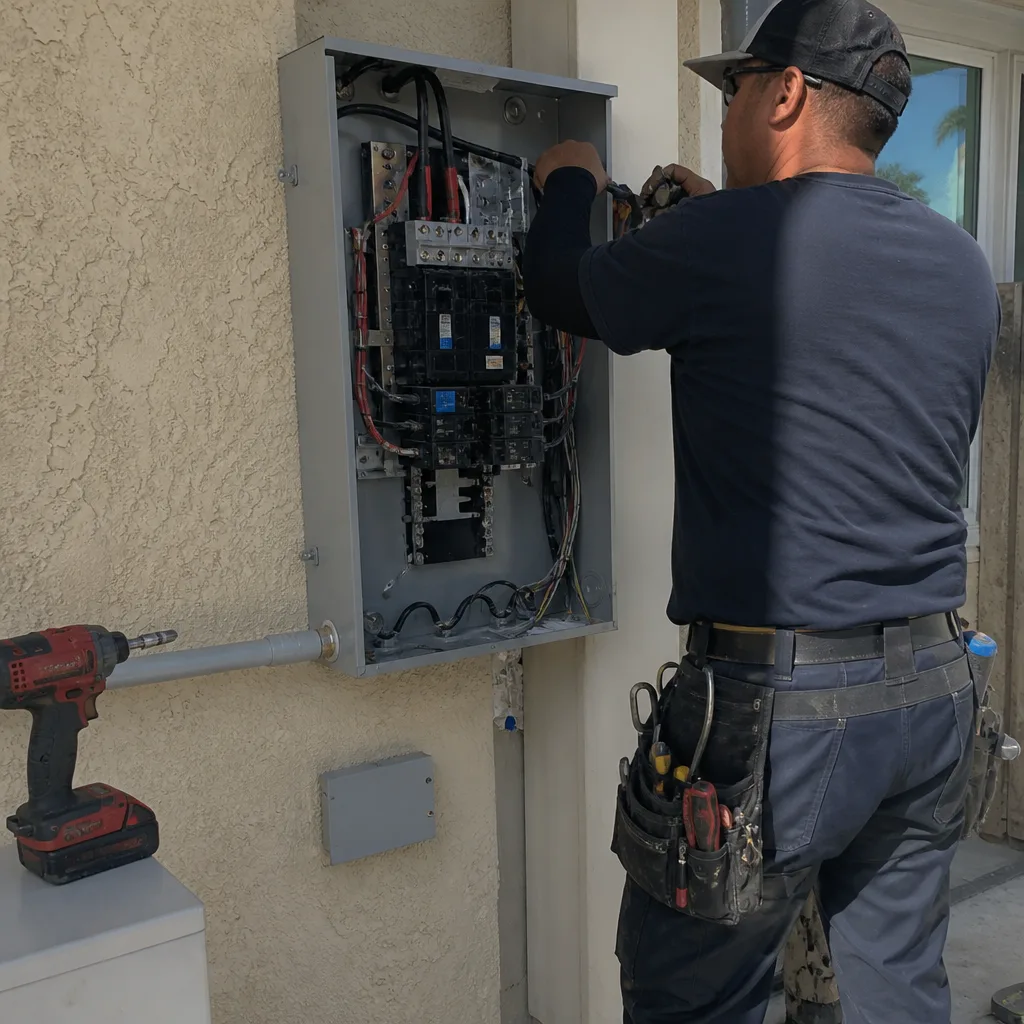 After
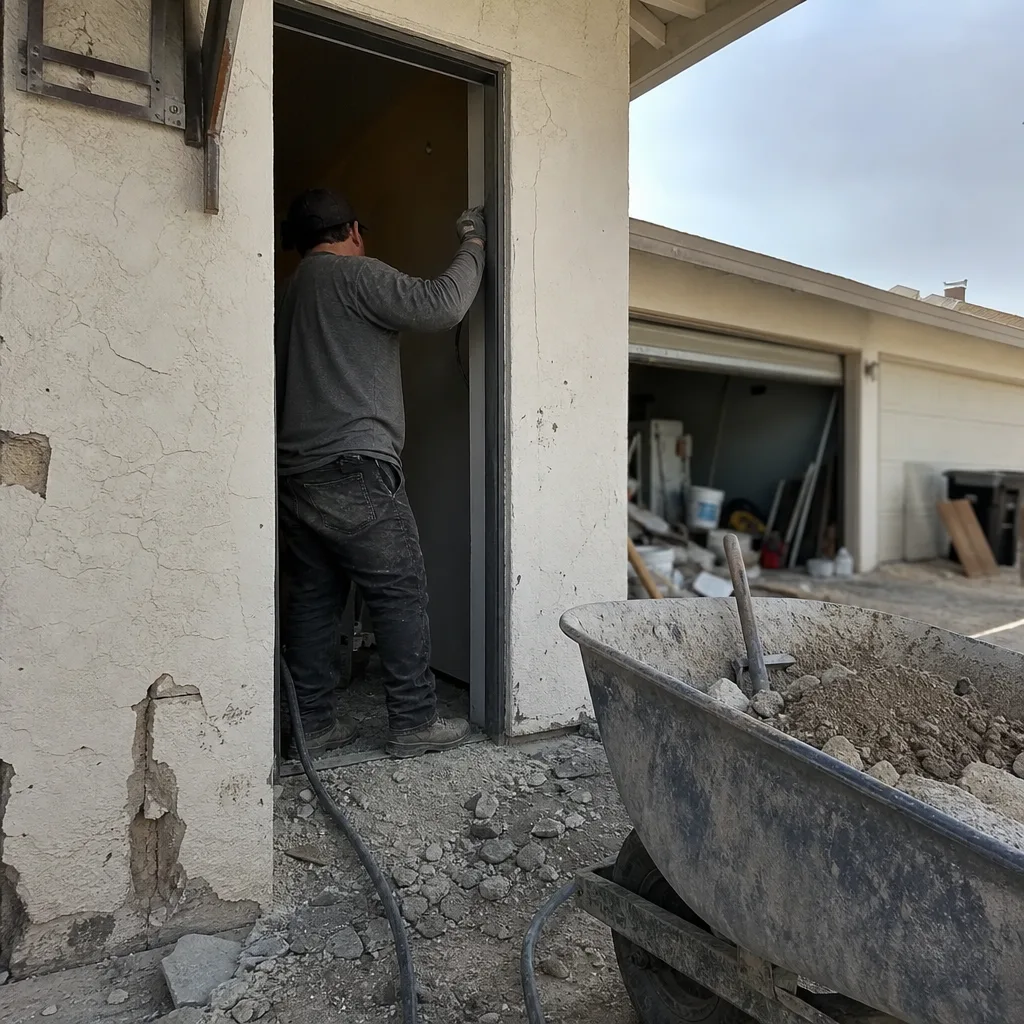 Before
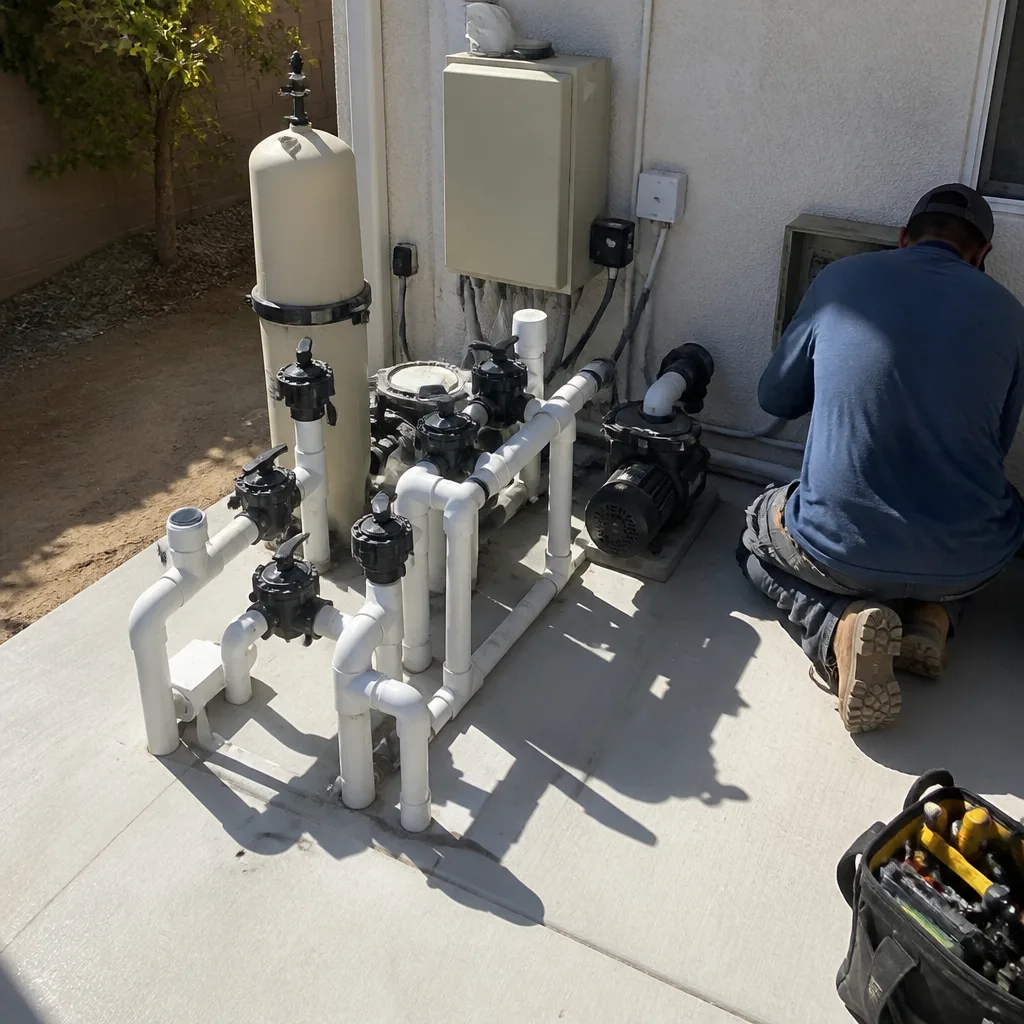 After
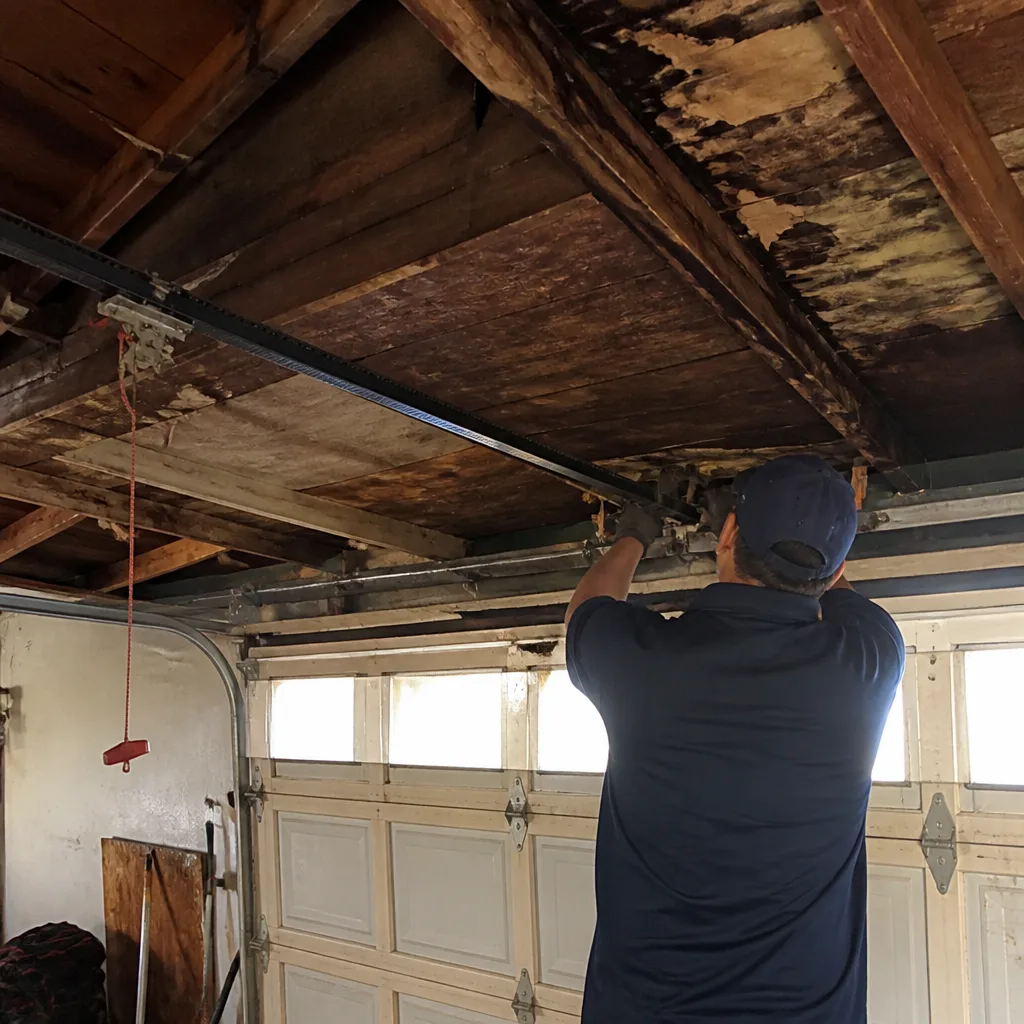 Before
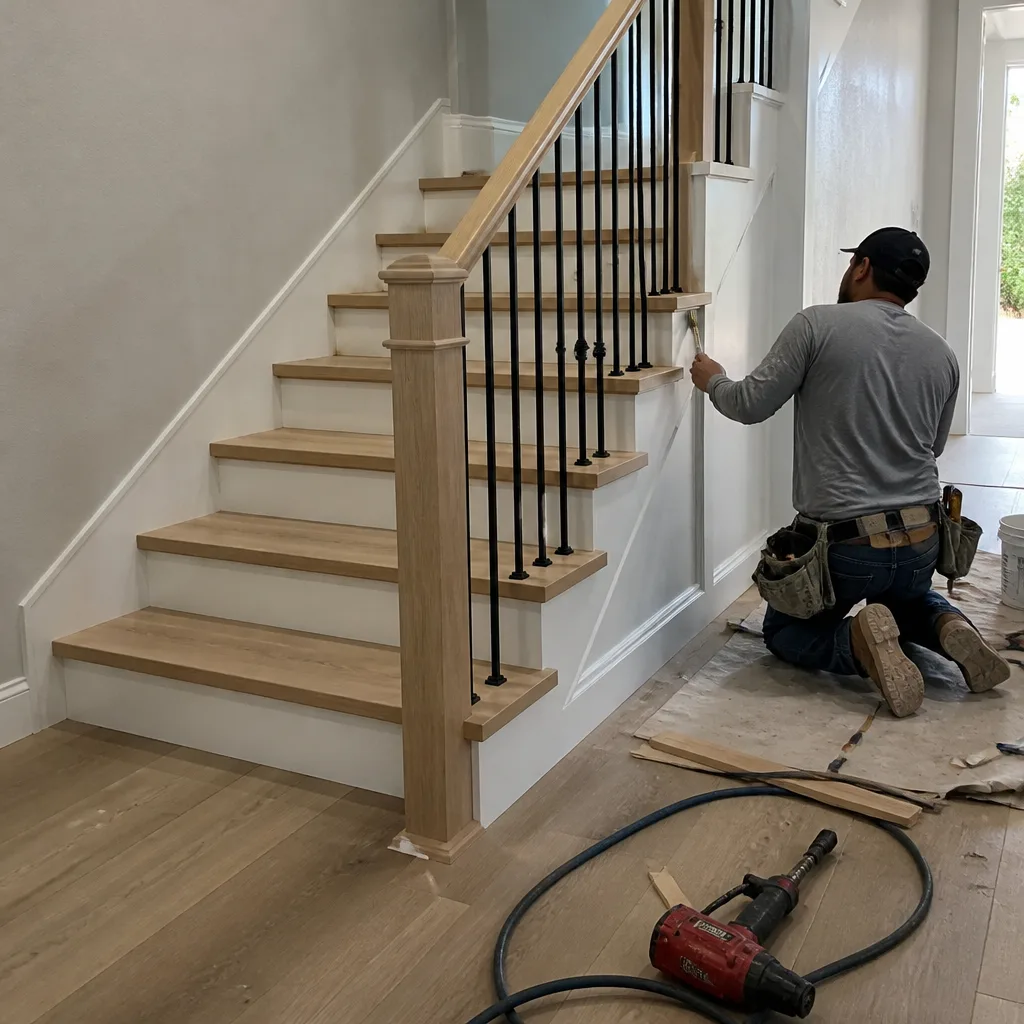 After