
Last updated October 30, 2026
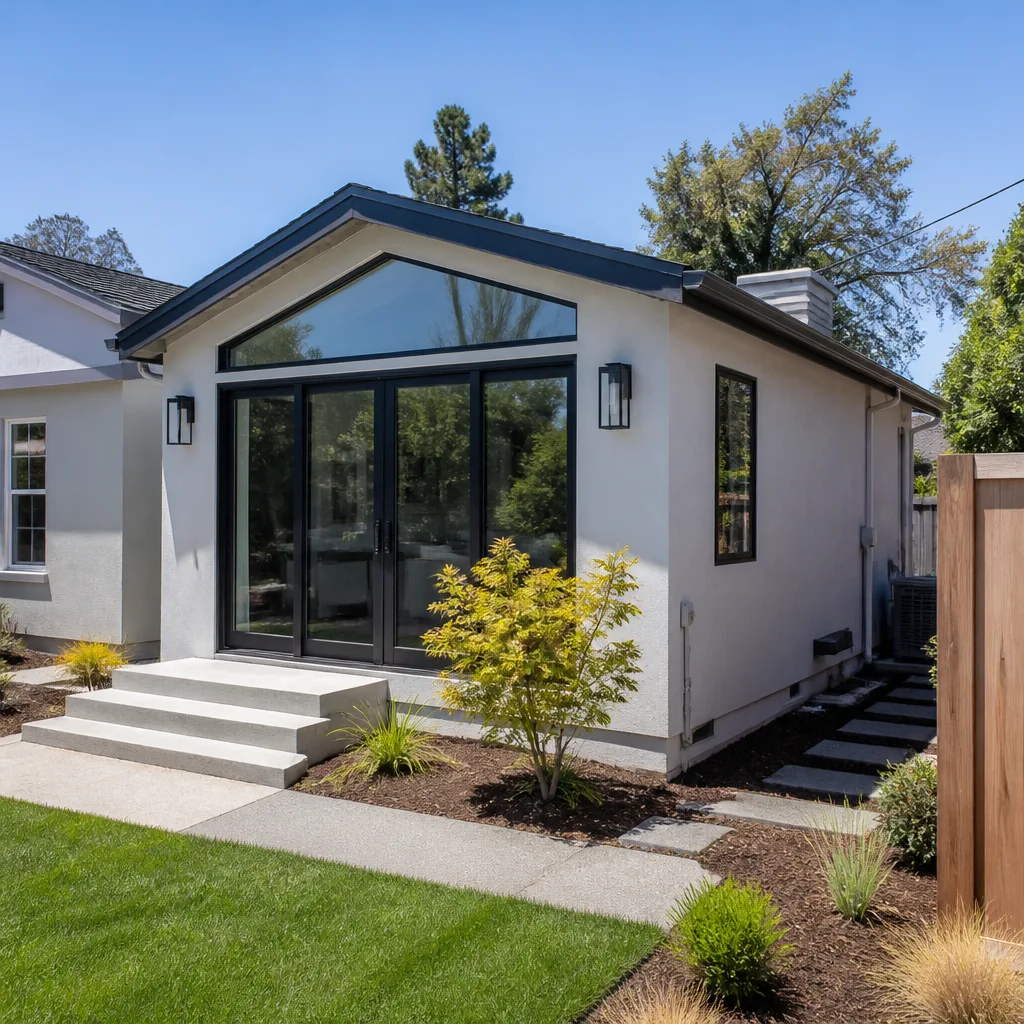 Home additions & ADU
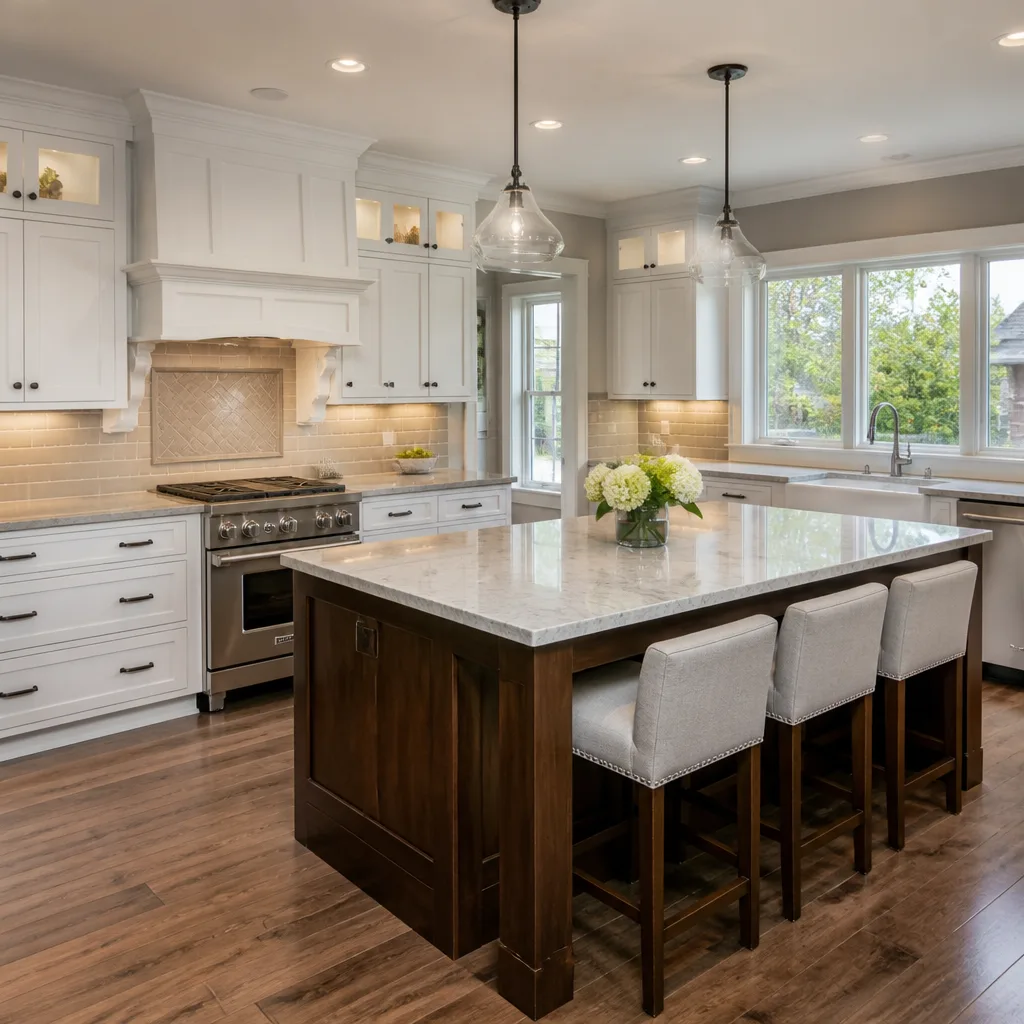 Kitchen remodeling
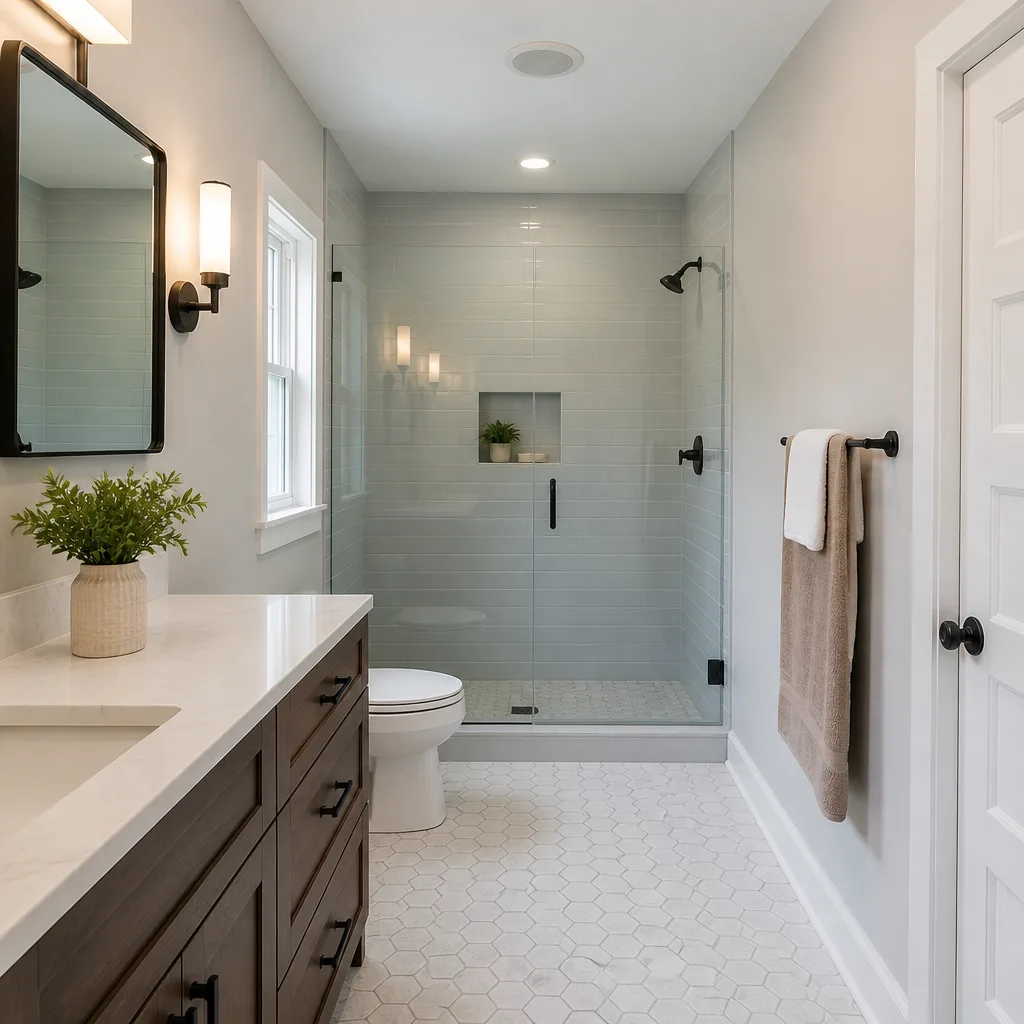 Bathroom remodeling
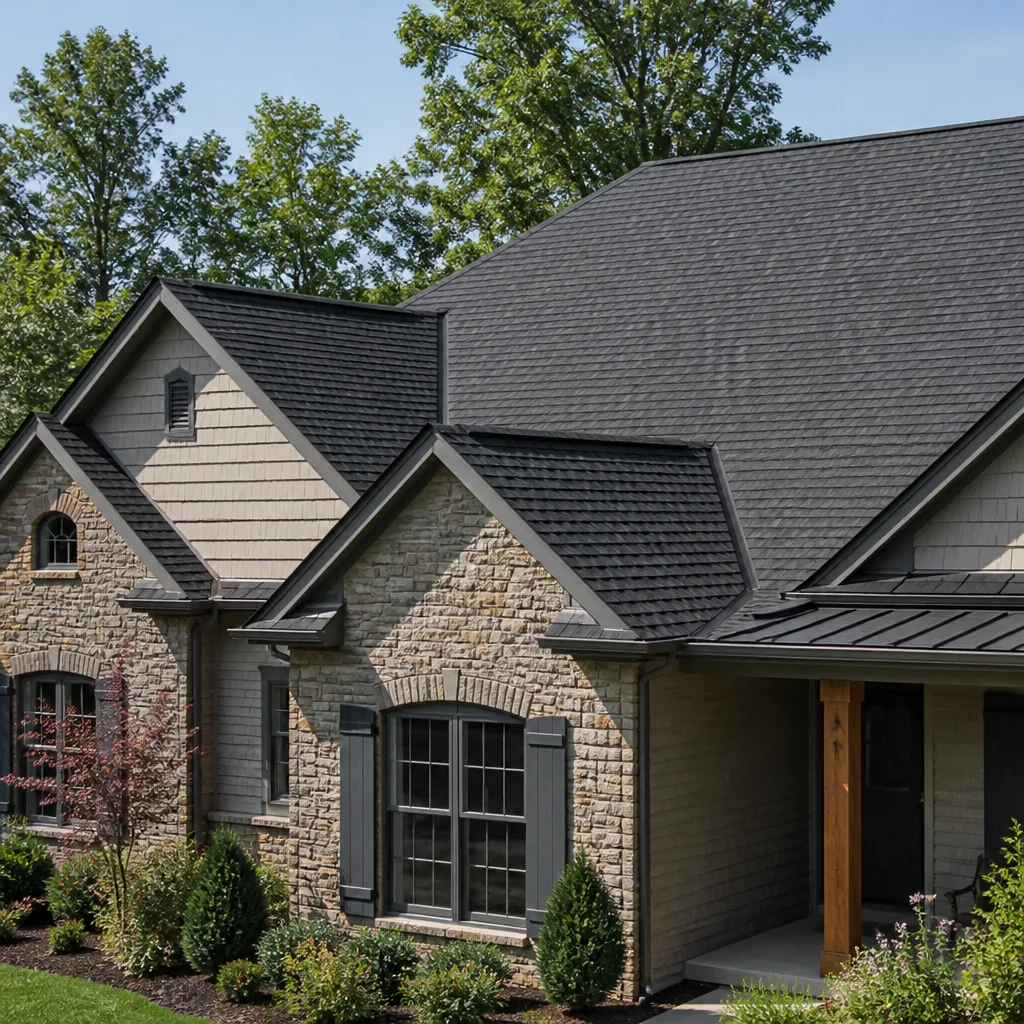 Roofing
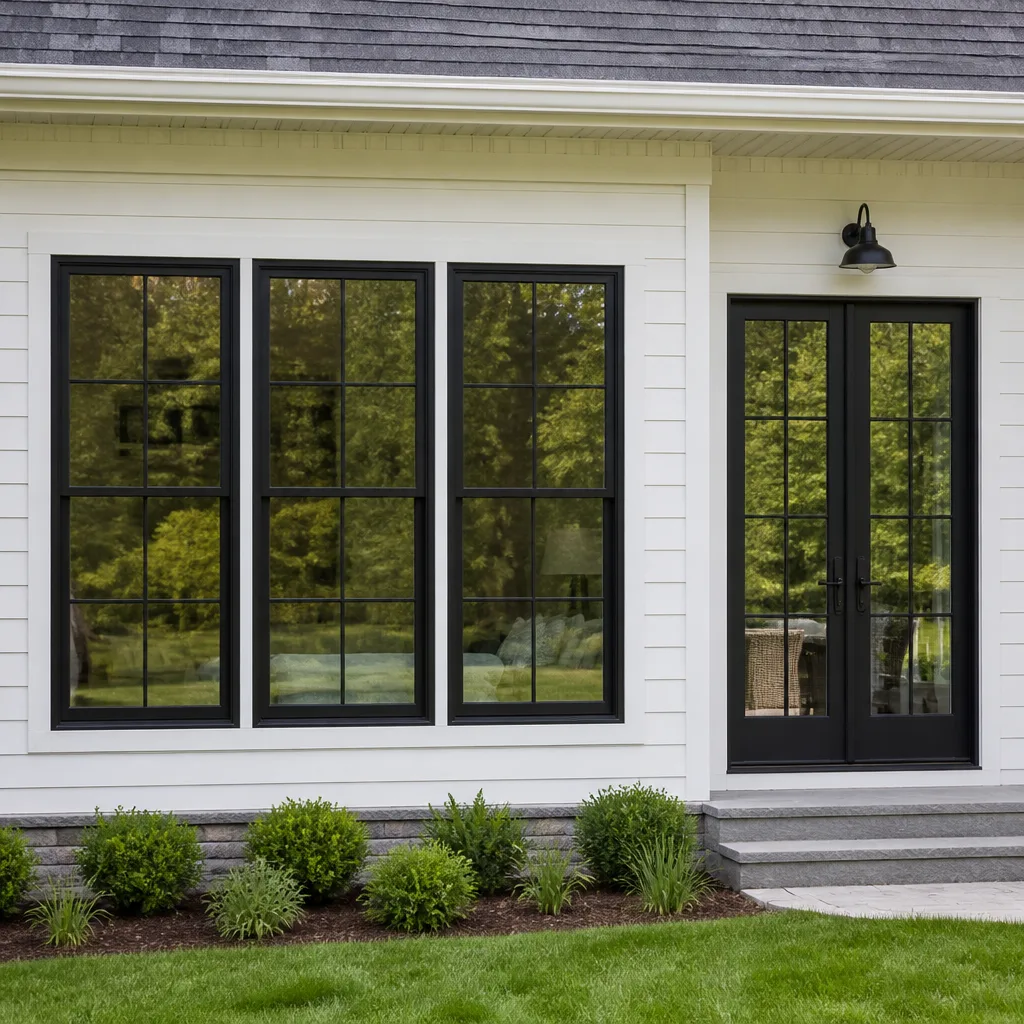 Windows & doors
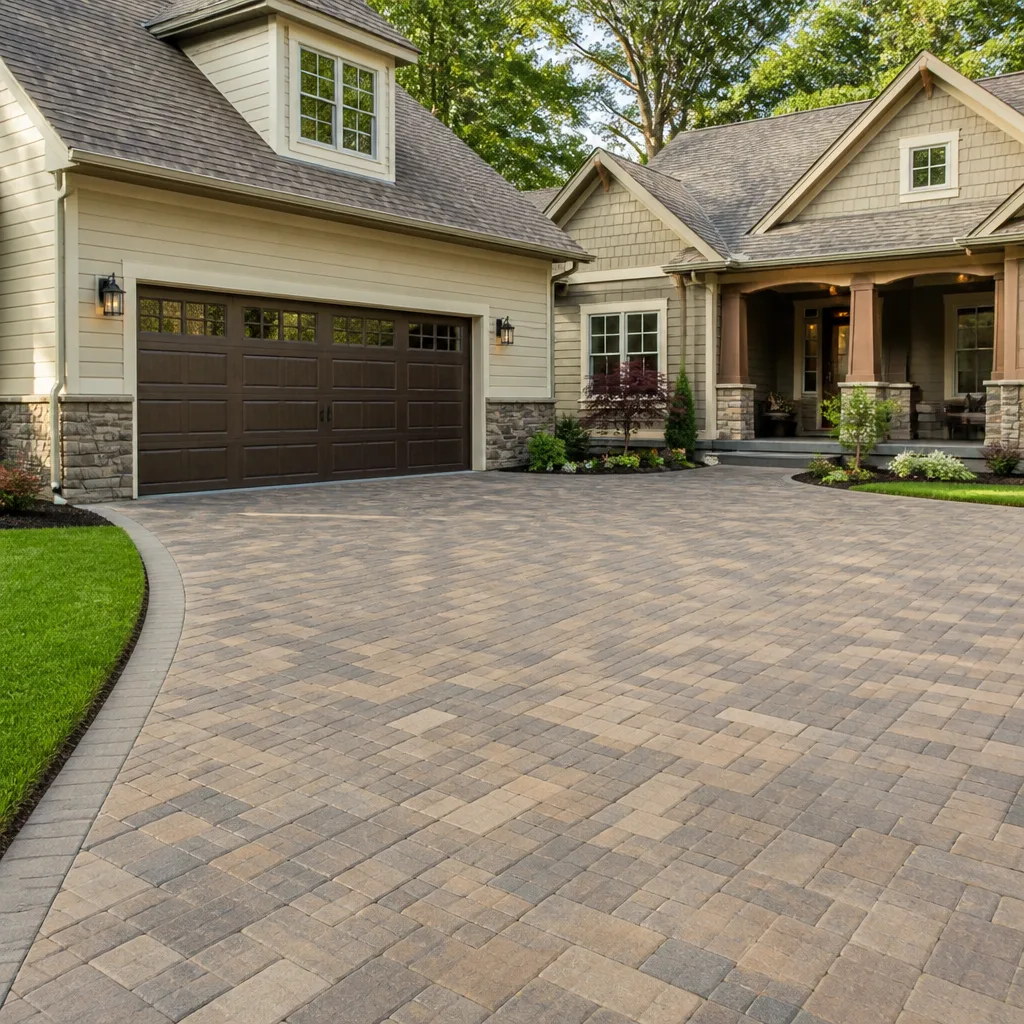 Driveway & pavers
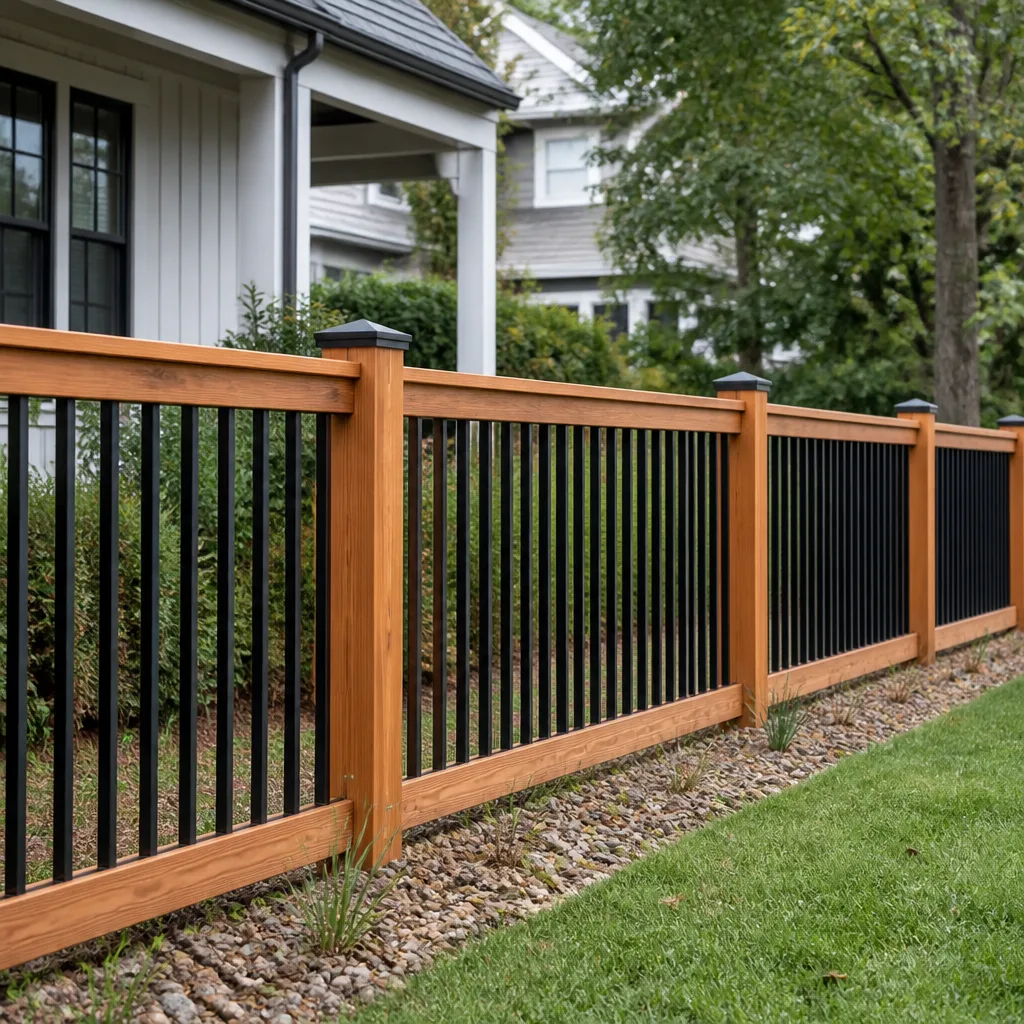 Fence
Free written scope consultation - allowances, timeline, and change-order rules on paper before a single trade is scheduled
Construction Cost Breakdown: The Indio Homeowner’s Reference for 2026
If you’re planning a renovation in Indio, the first number a search engine hands you is probably wrong. National construction cost averages are built around temperate climates, soft soil, and mild sun loads. None of that describes the Coachella Valley. Caliche, Title 24 energy code, and a seasonal labor market that compresses most outdoor work into a seven-month window all move the real numbers. This reference breaks down what Indio homeowners actually pay in 2026, line item by line item, so you can read a contractor bid with your eyes open, and our Construction Emergency Preparedness Guide for Indio Homes covers how to protect your investment once work begins.
Quick Answer
Construction costs in Indio, CA for 2026 run roughly $180 to $320 per square foot for additions and $250 to $450 per square foot for kitchens and full-system remodels, before finishes. The gap between Indio pricing and the national average comes from three desert-specific cost drivers: caliche excavation and engineered footings, Title 24 energy compliance, and seasonal labor pricing. A well-built contingency in Indio is 15 to 20 percent, not the 10 percent national rule of thumb.
Styles & brands we work with
Table of Contents
- Caliche, Footings, and the Hidden Cost of Desert Soil
- Title 24 Compliance: What It Adds to Indio Projects
- Desert-Rated Materials and What They Cost
- The Coachella Valley Labor Market in 2026
- City of Indio Permits and Inspection Fees
- How to Read a Contractor Bid for Cost Integrity
- What a Room Addition Costs in Indio, System by System
- Prefab ADU Costs in the Coachella Valley
Caliche, Footings, and the Hidden Cost of Desert Soil
In most of the country, digging a footing means moving dirt. In Indio, it often means breaking rock. Caliche, a hardened layer of calcium carbonate that forms just below the surface across much of the Coachella Valley, shows up on a surprising number of residential lots. It doesn’t show up in a $/sqft national average.
When a foundation crew hits caliche, the excavator needs to switch from a standard bucket to a ripper or hydraulic breaker. That’s slower work. It’s also louder, harder on equipment, and often requires re-sequencing the excavation so the breaker doesn’t destabilize the trench walls. On a typical room addition, caliche excavation can add $3,000 to $8,000 depending on depth and coverage. On pool digouts or full foundation replacements, the premium runs higher.
Even without caliche, Indio’s expansive clay soils and high summer temperatures demand a different concrete approach. Slab-on-grade construction here typically calls for a mix design that accounts for rapid moisture loss during hot-weather pours. Contractors who pour standard 3,000 psi mix without adjusting for the desert cure cycle get surface crazing and shrinkage cracks. The right mix, a vapor barrier, and a proper wet cure add real cost, usually $0.50 to $1.25 per square foot over regional baseline.
Engineered footings are another line item that surprises homeowners who’ve built elsewhere. City of Indio plan check commonly requires structural engineering sign-off for additions, ADUs, and any work that changes load paths. Engineering fees for a typical addition run $2,500 to $6,000, and the resulting footings are often wider or deeper than prescriptive code would allow. That’s not a contractor padding the bill. That’s the desert’s soil conditions writing the spec.
For full-scope work, this is exactly where retaining a General Contractor in Indio with local soil experience pays for itself. A good GC sequences excavation, concrete, and inspection in the right order so the inspector sees a clean trench, not a collapse waiting to happen.
Title 24 Compliance: What It Adds to Indio Projects
California’s Title 24 energy code is not a suggestion, and it is not optional. For any new conditioned space in Indio, whether that’s a bedroom addition, an ADU, or a garage conversion, Title 24 compliance requires a package of calculations, testing, and documentation that most national cost guides ignore entirely.
Here’s what Title 24 adds to a typical Indio addition of 400 to 600 square feet:
- HVAC load calculations (Manual J): $400 to $900. The mechanical engineer or energy consultant models the space, including orientation, glazing area, and insulation values, and sizes the system accordingly. Indio’s Zone 15 climate means the cooling load drives the design, not the heating load.
- Duct testing and refrigerant charge verification: $600 to $1,200. New ductwork in the conditioned space is tested for leakage. The AC system’s refrigerant charge gets verified against manufacturer spec.
- Energy compliance documentation (Title 24 report): $500 to $1,500. A certified consultant produces the compliance package that gets submitted with the permit set.
- Higher-performance glazing and insulation: $2,000 to $6,000 depending on window count and wall assembly. Low-E, dual-pane glazing is standard in Indio, and the code requires insulation levels tuned for the cooling-dominant climate.
- Cool roof compliance for new roof areas: $1,500 to $4,000. Title 24 prescribes minimum solar reflectance and thermal emittance for low-slope and steep-slope roofs in Climate Zone 15.
All told, on a mid-size addition, Title 24 compliance adds $8,000 to $15,000 before a single stud goes up. That’s the desert in the paperwork. A contractor who says they’ll “handle the permit” without mentioning the energy consultant, the duct test, or the cool roof calc is not giving you the full picture.
Property owners considering a home renovation in Indio that changes the building envelope should treat Title 24 as a fixed cost, not a variable. It does not get value-engineered out.
Desert-Rated Materials and What They Cost
The Coachella Valley is harder on materials than almost any other inhabited climate in the United States. UV index routinely hits 10+. Summer surface temperatures on exposed concrete and stucco exceed 150°F. Diurnal temperature swings of 30 to 40 degrees put expansion and contraction stress on every joint, seam, and sealant line. Standard materials fail faster here. That’s not an opinion. It’s a materials-science fact, and it shows up in the bid.
Here’s how desert-rated upgrades look in real line items:
Exterior Coatings
Standard latex exterior paint in Indio lasts five to seven years before visible chalking and fading. An elastomeric coating, which stretches as stucco expands and contracts through daily thermal cycles, costs $1.50 to $3.00 more per square foot installed but holds up 10 to 15 years. On a 2,000-square-foot exterior wall area, that’s an extra $3,000 to $6,000. The alternative is repainting twice as often. Our experience with Coachella Valley weather is that the elastomeric is the cheaper product over a decade.
Glazing and Solar Heat Gain
Indio’s solar gain is not negotiable. West-facing windows without low-E coatings turn a bedroom into a kiln by 4 p.m. from May through September. Title 24 minimums address energy compliance, but homeowners who want rooms that stay comfortable and furniture that doesn’t fade should look at low solar gain (SHGC) glazing packages. Upgrading from code-minimum dual-pane to a high-performance low-E package adds $40 to $90 per window depending on size and frame material. On a project with 10 to 15 windows, that’s $400 to $1,350. Small money for the comfort delta.
Concrete and Hardscaping
Desert concrete needs a mix design that tolerates high-heat curing. We specify mixes with lower water-cement ratios and, on hot-weather pours, use shade screens and curing blankets to control evaporation. Brands like Quikrete and Sakrete market high-strength and fast-setting bagged mixes that work well for small pads and footings, though for slabs and stem walls we use ready-mix with a desert-specific admixture package. For pavers and hardscaping, interlocking concrete pavers from Oldcastle and similar manufacturers hold up better than poured-in-place concrete in expansive soils because the joints flex independently rather than cracking.
The takeaway: desert-rated materials add 8 to 15 percent to the materials budget for a typical Indio project. That is not waste. That is the cost of building something that’s still standing in 15 years.
The Coachella Valley Labor Market in 2026
Indio’s construction labor market runs on seasons. The comfortable-weather window, roughly October through May, concentrates the majority of exterior work: roofing, stucco, concrete, hardscaping, fencing, and anything that requires standing in the sun for eight hours. From June through September, daytime highs make roofing and concrete work dangerous and, at times, technically infeasible. Crews shift to interior work or move to coastal markets.
That seasonality hits pricing in two ways:
- Availability-driven premiums: From November through March, top subcontractors in the Coachella Valley are booked out. Roofers, stucco crews, and concrete finishers can name their price during peak season, and they do. Expect 10 to 20 percent higher subcontractor bids for exterior work scheduled in the high season. Interior trades, drywall, cabinetry, tile, see less seasonal spread.
- Schedule compression costs: A project that starts in November and misses its exterior window gets pushed into May. If stucco or roofing lands in June, the crew needs hydration breaks, shortened shifts, and sometimes nighttime pours. The work gets done, but it costs more per hour of productive labor.
For homeowners planning a home remodeling project in Indio, the smart planning move is to sign contracts for exterior work in late summer, locking in pricing before the seasonal run-up. Contractors are hungry in August. They are not hungry in February. Start interior work whenever, but get the shell dried in before June.
City of Indio Permits and Inspection Fees
The City of Indio uses a valuation-based permit fee schedule, so understanding Construction Permits, Codes & Inspections in CA: What You Need to Know helps clarify how your permit cost is calculated as a percentage of the declared project value, plus flat fees for plan check, inspections, and various surcharges. In 2026, homeowners should budget roughly 2 to 4 percent of total project value for municipal permits and inspection fees on a typical remodel or addition.
Here’s what that looks like in practice for common Indio project types:
- Bathroom remodel, $30,000 valuation: $600 to $1,200 in permit and inspection fees. A simple permit, one or two inspections.
- Kitchen remodel, $60,000 valuation: $1,200 to $2,400. Includes electrical, plumbing, and mechanical plan check if you’re moving fixtures or reconfiguring the layout.
- Room addition, $150,000 valuation: $3,000 to $6,000. Includes plan check for structural, Title 24 review, and multiple field inspections through framing, rough MEP, insulation, drywall, and final.
- ADU, $200,000 valuation: $4,000 to $8,000. Prefab ADU brands like Abodu often provide their own stamped engineering and pre-approved plan sets, which can streamline plan check, but the City’s valuation-based fees still apply to the installed project value.
Permit fees are not a contractor mark-up. They’re a fixed cost of legal construction in Indio, and every reputable contractor passes them through at cost with the receipt. If a bid includes a lump sum for “permits” without itemizing the valuation, ask for the fee schedule. The City publishes it. A contractor who can’t explain how the number was calculated may be guessing, or worse, rounding up.
How to Read a Contractor Bid for Cost Integrity
Most Indio homeowners do not get burned by outrageous total prices. They get burned by line items that are too vague to hold the contractor accountable. A bid that says “kitchen remodel: $62,000” with no breakdown is not a bid. It’s a starting position for a negotiation the homeowner doesn’t know they’re in.
Here’s how to read a bid the way a contractor reads it:
- Look for named material line items. “Cabinet installation” is a guess. “KraftMaid cabinetry, shaker door, plywood boxes, soft-close hardware, 27 linear feet” is a commitment. The more named brands and specifications, the less room for substitution games later.
- Check the allowance structure. Trades like plumbing fixtures and lighting are often bid as allowances: a dollar figure that covers the materials, to be finalized during the build. A $2,500 plumbing fixture allowance for a full bath with a freestanding tub is dangerously low. A realistic allowance for that scope starts around $8,000 to $12,000. Underspecified allowances are where change orders are born.
- Verify the contingency line. A 10 percent contingency is the national norm. In Indio, it’s not enough. Caliche, summer heat delays, and Title 24 corrections all create mid-project surprises. Adequate contingency in desert conditions is 15 to 20 percent. A bid with no contingency line at all is a bid from a contractor who plans to recover surprises through change orders, not from a contingency they’ve already disclosed.
- Confirm who pulls the permits. The permit should be in the contractor’s name, not the homeowner’s. A contractor who asks the homeowner to pull an owner-builder permit is shifting liability onto you. In California, owner-builder projects restrict your legal recourse if something goes wrong, and some contractors use the arrangement to avoid accountability for their own work.
- Look for the “excluded” section. A good bid says what’s not included: no painting, no patching, no haul-away, no finish work. If there’s no exclusion list, assume everything not explicitly written is excluded.
We’ve seen too many Indio homeowners sign a low bid, then pay $20,000 in change orders because the allowance for tile was $4/square foot and the tile they picked was $9. The cheapest bid is rarely the cheapest project. The most specific bid is.
What a Room Addition Costs in Indio, System by System
National guides quote $150 to $250 per square foot for a room addition. In Indio, the realistic range for a fully permitted, Title 24-compliant addition with mid-range finishes is $220 to $320 per square foot in 2026. The desert line items push the floor up. Here’s the system-level breakdown:
- Site work and excavation: $2,000 to $9,000. Depends entirely on caliche presence and access. A tight backyard with a 36-inch gate means hand excavation or a mini-excavator at higher hourly rates.
- Foundation and slab: $12,000 to $22,000 for 400 to 600 square feet. Includes engineered footings, rebar, vapor barrier, and desert-specific concrete mix. This is where Indio’s soil conditions quietly add thousands.
- Framing and sheathing: $18,000 to $32,000. Lumber prices have stabilized since the 2021 spike, but California’s grading rules keep framing costs above the national average.
- Roofing: $8,000 to $18,000. Includes cool roof membrane or shingle spec, edge metal, and Title 24 compliance. Roofing material brand matters here; a GAF or CertainTeed system with a documented warranty costs more than an off-brand roof, and it should.
- HVAC: $7,000 to $14,000 for a new zone and duct run. Indio’s cooling-dominant load means a smaller furnace and larger condenser than a national average would suggest, plus Title 24 testing charges.
- Windows and doors: $4,000 to $12,000. Low-E glazing is the floor. Impact-rated glazing, common in the Coachella Valley for its wind resistance, runs higher.
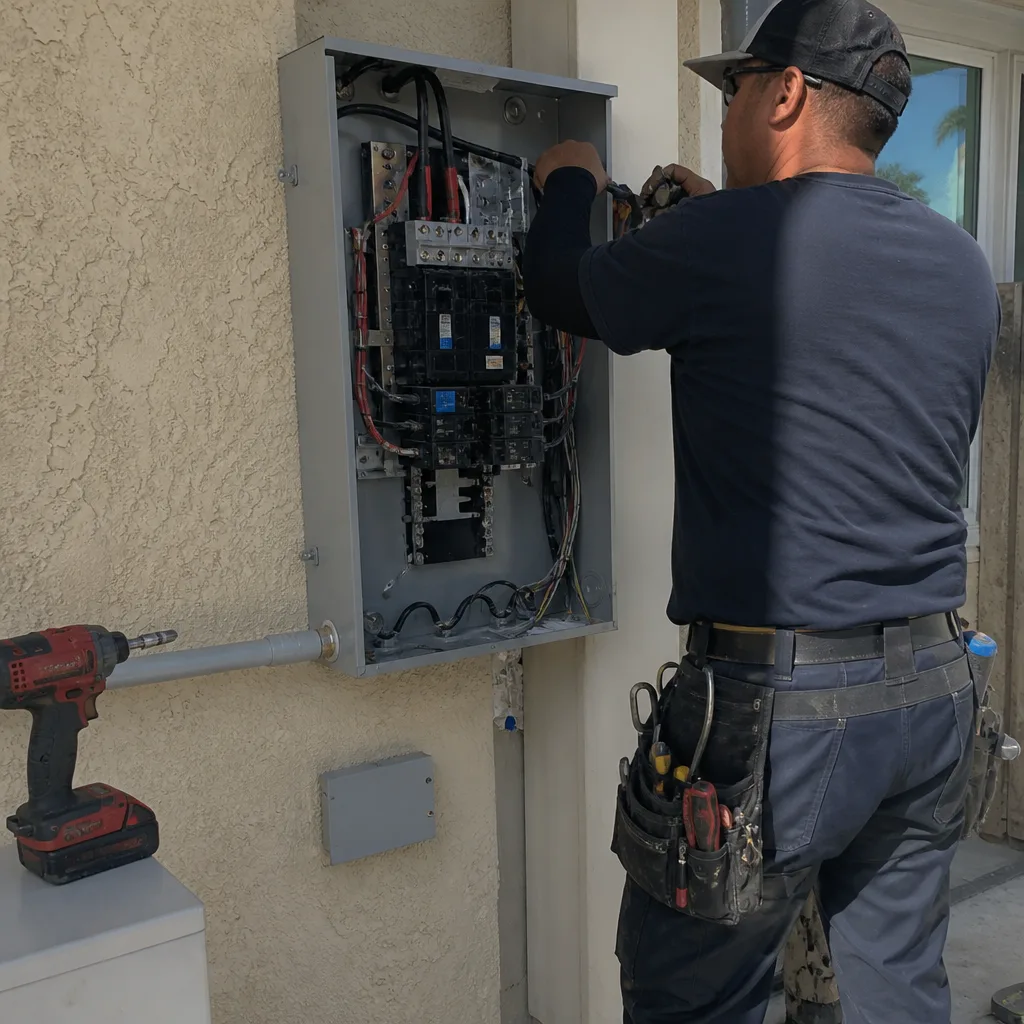
- Electrical and plumbing rough-in: $5,000 to $12,000. Less if the addition is adjacent to existing systems, more if the panel is full and needs a subpanel or service upgrade.
- Insulation and drywall: $6,000 to $12,000. Title 24 insulation minimums for Zone 15 are higher than national averages, and drywall crews in the valley have plenty of work.
- Stucco and exterior finishes: $7,000 to $15,000. Elastomeric coating is the right spec here, not the cheap spec.
- Interior finishes, paint, trim, flooring: $12,000 to $30,000 depending on the flooring choice and millwork level.
That sums to roughly $81,000 to $176,000 for a 400-to-600-square-foot addition. The spread is finish level, not base scope. The base scope, the stuff you can’t see behind the drywall, has a hard floor around $180 per square foot in Indio. Anything quoted below that should be checked for what’s missing.
Prefab ADU Costs in the Coachella Valley
Accessory dwelling units are the fastest-growing project type in Indio, and the prefab segment has changed the cost conversation. A site-built ADU of 400 to 800 square feet typically runs $350 to $500 per square foot fully loaded. A prefab ADU from a manufacturer like Abodu, installed on a prepared site with utility connections, often lands at $250 to $400 per square foot, depending on the model and site conditions.
The savings come from manufacturing efficiency: prefab units are built in a controlled factory, not in 110-degree heat, and the assembly time on site can be measured in days. But the site work in Indio is the same whether the unit is prefab or stick-built:
- Foundation and site prep: $20,000 to $45,000. Same caliche and expansive soil concerns, same engineered footings.
- Utility connections: $15,000 to $40,000. Sewer, water, electrical. If the sewer lateral is on the far side of the property or the main panel needs an upgrade, costs climb.
- Permits and city fees: $4,000 to $8,000 for a typical ADU valuation. Prefab manufacturers provide pre-approved plans, which can help, but the City of Indio still applies valuation-based fees.
The order of operations matters. The manufacturer builds the unit. The site contractor prepares the land, foundations, and utilities. A general contractor who understands both sides of the equation is the difference between a six-month ADU and an 18-month one.
Common Mistakes to Avoid
- Budgeting from national averages. The national cost per square foot assumes soil, climate, and code conditions that don’t exist in Indio. Your caliche, your Title 24 package, and your cool roof requirement are local costs that don’t shrink.
- Signing a bid with underspecified allowances. A plumbing allowance of $3,000 for a full bath remodel means you’ll pay $9,000 in change orders when you pick a TOTO toilet and a Grohe shower system. Ask what the allowance assumes.
- Skipping the contingency line. In Indio, 10 percent is underfunded. Ask for 15 to 20 percent and understand what it covers before you sign.
- Pulling an owner-builder permit to “save money.” You’re not saving money. You’re taking on liability, and in California, the legal protections that apply to homeowners who hire licensed contractors do not fully apply to owner-builder projects.
- Scheduling exterior work for summer to get a lower bid. You’ll get the lower bid, and then the crew won’t show in August, or they’ll show and the concrete cures too fast and cracks. Desert summer is not the time to save on exterior work.
- Choosing the cheapest bid because the scope looks the same. Scope looks the same on paper. Caliche-competent excavation, Title 24-compliant HVAC, and elastomeric exterior coating look identical in a one-line bid. They are not identical in cost, and they are not identical in outcome.
See the difference
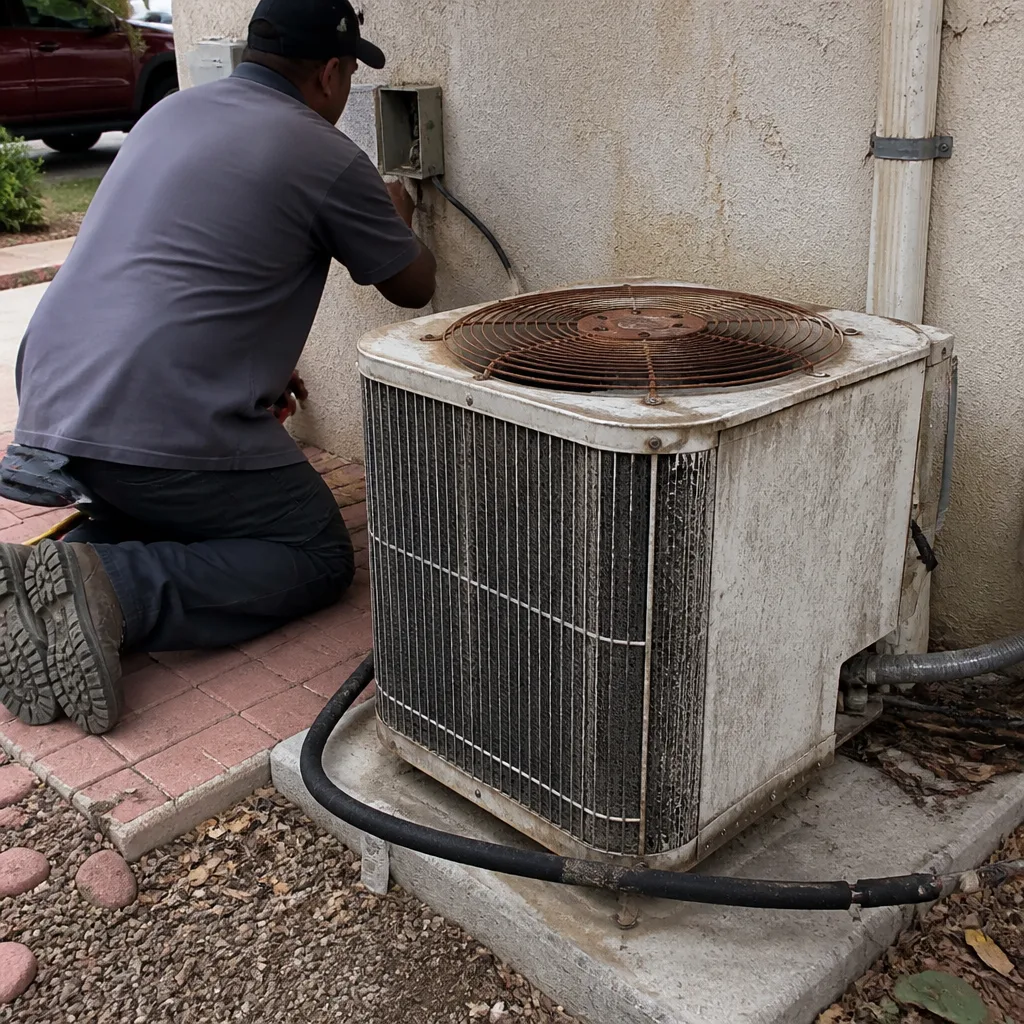 Before
 After
 Before
 After
 Before
 After
When to Call a Professional
You need a professional when the project touches structure, envelope, or systems. That’s any addition, any roof replacement, any window or door resize, any electrical panel work, any HVAC replacement, and any project requiring a permit. In Indio specifically, you need a contractor with local soil experience the moment excavation is involved. Caliche is not a rumor, and the difference between a contractor who’s dug in it and one who hasn’t shows up in the foundation. Briar Contractors offers free estimates in Indio. Call (833) 467-4442 to schedule one.
Frequently Asked Questions
A fully permitted, Title 24-compliant room addition in Indio runs $220 to $320 per square foot in 2026, or roughly $88,000 to $192,000 for a 400-to-600-square-foot addition. The cost is higher than the national average because of caliche excavation, engineered footings, cool roof requirements, and Zone 15 HVAC sizing. Call (833) 467-4442 for an exact quote on your property.
Indio construction costs run 15 to 30 percent above national averages because of three desert-specific drivers: caliche soil that requires specialized excavation and deeper footings, Title 24 energy code compliance that adds HVAC testing and documentation, and seasonal labor pricing that pushes subcontractor rates up during the October-to-May construction window.
A mid-range kitchen remodel in Indio runs $45,000 to $90,000, or $250 to $450 per square foot, depending on cabinet line, countertop material, and whether the layout changes. Cabinetry and countertop choices drive most of the spread: a KraftMaid cabinet package with a Silestone top costs less than a Wellborn package with Cambria. Permit fees, Title 24 compliance, and plumbing or electrical reroutes add $3,000 to $8,000 beyond the finish costs.
Caliche is a hardened layer of calcium carbonate that forms beneath the topsoil in much of the Coachella Valley. It requires a hydraulic breaker or ripper instead of a standard excavator bucket, which slows excavation and adds $3,000 to $8,000 to a typical addition. Caliche also affects drainage and footing design, often requiring deeper or wider footings than prescriptive code would allow.
Yes. Any garage conversion that adds conditioned living space in Indio must comply with Title 24, which includes HVAC load calculations, duct testing, energy compliance documentation, and cool roof requirements for any new roof area. Budget $8,000 to $15,000 for the full Title 24 package on a typical conversion. Some prefab ADU manufacturers streamline this with pre-approved plans, but the requirements don’t go away.
Adequate contingency for Indio construction is 15 to 20 percent of total project cost, compared to the 10 percent national rule. Desert soil surprises, Title 24 corrections, and seasonal weather delays all create mid-project costs that a properly funded contingency absorbs without a change order conversation. If a bid shows no contingency line, ask where surprise costs will come from. Call (833) 467-4442 to review your bid with a contractor who builds for the desert.
The Bottom Line
Indio construction costs are not the national average plus a little extra. They’re a different cost structure entirely, shaped by caliche, Title 24, UV loading, and a construction labor market that moves with the seasons. Budget $220 to $320 per square foot for additions, $250 to $450 for remodels, and 15 to 20 percent contingency. Read bids for specificity: named materials, realistic allowances, itemized permit fees. The cheapest bid is rarely the cheapest project. The most specific one is.
Written by the team at Briar Contractors, serving Indio since 2018.