
Last updated October 30, 2026
 Kitchen remodeling
 Bathroom remodeling
 Home additions & ADU
 Roofing
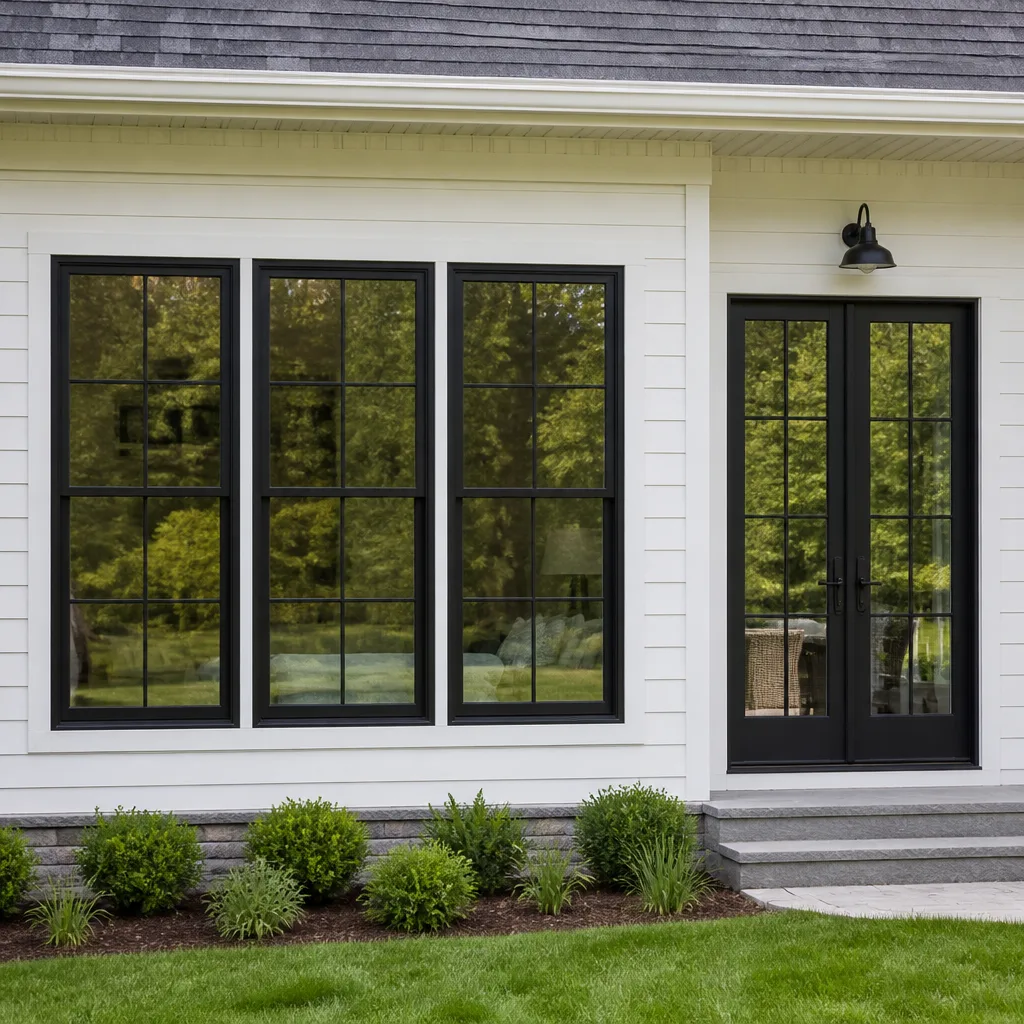 Windows & doors
 Driveway & pavers
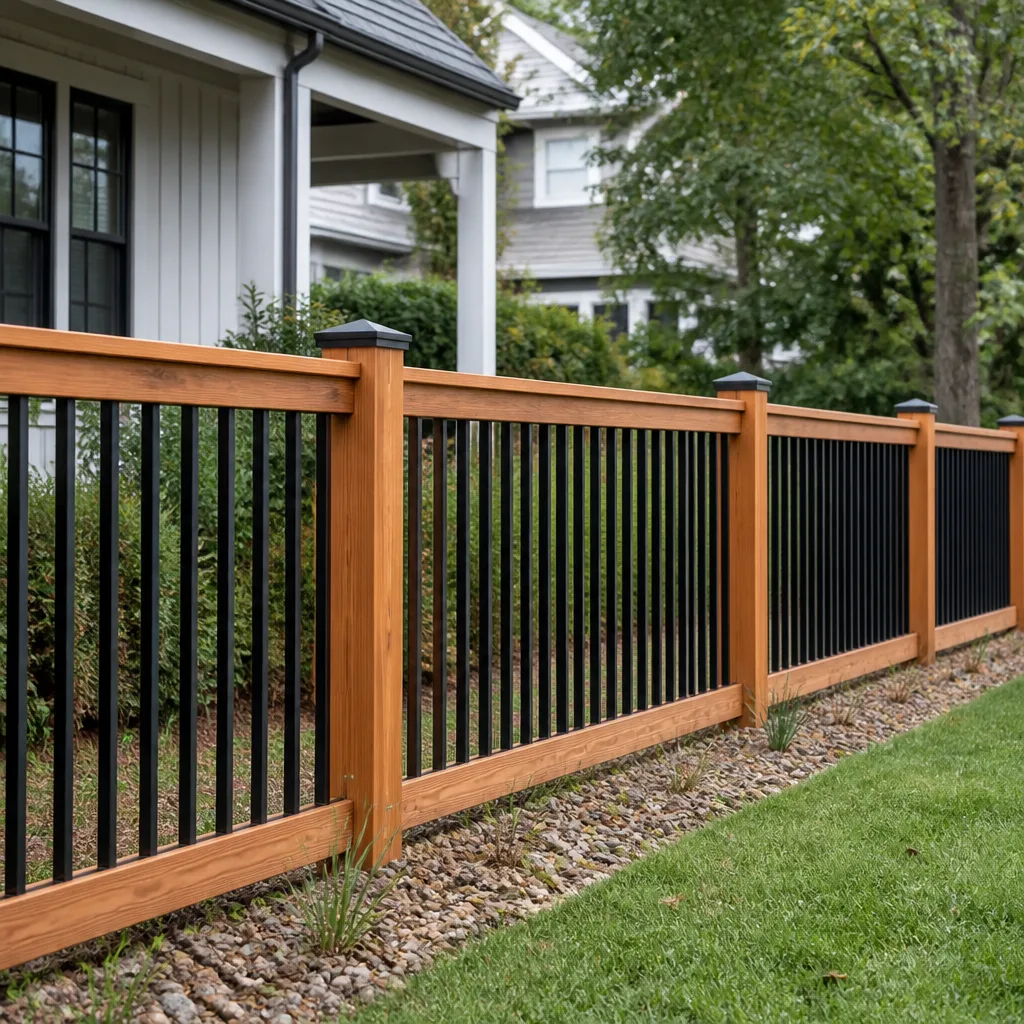 Fence
Free written scope consultation - allowances, timeline, and change-order rules on paper before a single trade is scheduled
How to Hire a Construction Contractor in Indio: A Step-by-Step Guide
Here’s a number that should reframe how you approach hiring a contractor in Indio: California has more than 290,000 active contractor licenses on file with the CSLB, yet a license tells you nothing about whether the person holding it has ever poured a slab on caliche or calculated a Title 24 cool-roof requirement for Climate Zone 15. A license is a legal floor, not a signal of desert-build competence. This guide walks through the vetting steps most checklists skip, the questions that expose whether a contractor actually knows Indio conditions, and the contract structures that protect you when summer heat pushes schedules. For the complete picture on hiring a general contractor in Indio, see our full homeowner’s guide. If you’re planning work here, the sequence matters more than the checklist itself.
Quick Answer
To hire a construction contractor in Indio, start by verifying the CSLB license and confirming it’s a B General Building classification (not a specialty license stretched beyond its scope), then interview the contractor with desert-specific questions about caliche excavation, thermal expansion joints, and Climate Zone 15 Title 24 compliance. If you’re weighing different firms, our buyer’s guide for choosing a construction brand in Indio covers how to compare them. Get itemized bids with named material specifications, not lump-sum numbers, and structure payments around inspection milestones rather than calendar dates. Finally, review the subcontractor list to confirm the crew knows Coachella Valley conditions, not just inland valley habits.
Styles & brands we work with
Table of Contents
- 1. Verify the License Beyond the Number: What CSLB Classifications Mean in Indio
- 2. The Site Walk Questions That Expose Desert-Build Experience
- 3. How to Read a Subcontractor List in the Coachella Valley
- 4. Red Flags in Bids: Why Lump-Sum Contracts Fail in Indio
- 5. Structuring Payment Schedules Around Inspections, Not Dates
- 6. Material Specifications: Why Named Brands Protect Your Contract
- 7. Insurance, Bonds, and Workers’ Comp: The Paper Trail That Matters
- 8. The Final Interview: Questions That Separate Coordinators from Marketers
1. Verify the License Beyond the Number: What CSLB Classifications Mean in Indio
The first step every checklist includes is checking the license. What most guides leave out is that the license classification tells you what that contractor is actually authorized to build. In Indio, where many homes combine stucco exteriors, tile roofs, and concrete hardscape, the classification letters matter more than the license’s existence.
A B classification (General Building Contractor) allows the holder to frame, pour concrete, install roofing, and manage multiple trades on a single project. That’s the classification you want for any remodel, addition, or ADU that touches more than one system. A C-8 classification covers concrete only. A C-39 covers roofing. These specialty licenses are proper for their scope, but a contractor holding only a C-39 cannot legally pull permits for a project that includes framing or electrical work. If someone presents a specialty license for a full remodel, that’s not a negotiation point. It’s a scope violation waiting to become a stop-work order.
Run the license number through the CSLB’s online check. Look beyond “active” status. Check the effective date to see how long the license has been held, look at workers’ comp coverage, and note any actions or judgments recorded. A clean record with an active B license and current workers’ comp is the baseline. Anything less, walk.
Ask which entity name appears on the license. In Indio, some operations market under a trade name but license under a different corporate entity. Ask for the license number, run it, and confirm the name on file matches the name on the contract you will sign. Discrepancies here are the first sign you are dealing with a broker, not a builder.
2. The Site Walk Questions That Expose Desert-Build Experience
The site walk is where desert experience shows itself. A contractor who has built in Indio will ask you questions. A contractor importing habits from Riverside or San Bernardino will answer yours. Here are the questions to ask, and what the answers reveal.
Caliche. Ask directly: “Have you excavated caliche on other Indio jobs?” Caliche is the hardened calcium carbonate layer common in Coachella Valley soil. It can turn a simple trench into a jackhammer operation and add real cost and time to excavation. A contractor who has never hit caliche in Indio has not done much ground work here. Follow up with: “How do you price excavation when caliche shows up?” The right answer involves testing, per-hour clauses for hard dig, or prior site borings. The wrong answer is a shrug and a promise to handle it.
Thermal expansion. Ask about expansion joints for concrete flatwork. Indio’s summer temperature swings mean concrete expands and contracts dramatically. Joint spacing, joint depth, and the use of fiber reinforcement versus wire mesh all affect whether a slab cracks in the first two summers. A desert-experienced contractor will talk in specifics: joint spacing at 8 to 10 feet for driveways, deeper control joints than inland practice, and the difference between a hairline crack from curing and a structural crack from missing joints.
Title 24, Climate Zone 15. Ask how they handle California’s Title 24 energy compliance for Climate Zone 15. Indio sits in a cooling-dominated climate. The right answer includes discussion of cool-roof products, window glazing specs, and insulation levels tuned for heat resistance rather than heat retention. If the contractor talks only about insulation R-value without mentioning radiant barriers or cool-roof requirements, they are applying inland thinking to a desert build.
HVAC load and duct location. Ask where the ducts will run and whether the attic will be conditioned or ventilated. Indio attics hit 150 degrees in July. Ducts in a ventilated attic are the norm but represent real energy loss. A contractor who can discuss the tradeoff between a conditioned attic and a ventilated attic for your specific roofline is thinking about your utility bills, not just framing.
3. How to Read a Subcontractor List in the Coachella Valley
Every full-service contractor uses subcontractors. The question is not whether they use subs. The question is whether those subs know Indio conditions. Demand the subcontractor list before signing. A contractor unwilling to share it is hiding something, usually either unlicensed labor or a rotating cast of day-rate crews.
Ask where each sub is based. A concrete sub from Redlands who does most of their work in San Bernardino County has never dealt with Coachella Valley caliche or Indio’s summer pour windows. A framing crew from Riverside that usually works coastal climate zones has never had to schedule around midday shutdowns in 110-degree heat. Subs based in Indio, La Quinta, Coachella, or Palm Desert have. That local knowledge is not a nice-to-have. It is the difference between a slab poured at the wrong time of day curing properly or cracking.
Ask about the relationship. “How long has your concrete sub worked with you?” “Do you use the same electrical crew on every Indio project or do you route work to whoever is available?” The answers reveal whether the contractor is managing a consistent team or bidding work out to the lowest bidder per job. In Indio, where heat extends concrete pours into early-morning hours and where building inspections happen on city schedules, consistency in subs prevents delays that low-bid rotation causes.
Ask whether the subs carry their own insurance and workers’ comp. If a sub is uninsured and gets injured on your property, the liability can land on you. A contractor who verifies sub insurance and can show you certificates is running a real operation.
4. Red Flags in Bids: Why Lump-Sum Contracts Fail in Indio
The lump-sum bid is the most common contract structure in residential construction, and in Indio it is also the most dangerous. Here is why: a lump sum without line-item material specifications gives the contractor every incentive to substitute cheaper products after signing. You agreed to pay $85,000 for a kitchen remodel. The contract says “cabinetry included.” It does not say which cabinetry. That room for substitution is how good bids go bad.
In Indio specifically, substitution risk is higher because the climate punishes cheap materials faster. A low-grade stucco that works in a mild inland valley will fail in Coachella Valley sun and wind. An entry-level asphalt shingle that lasts 20 years in Riverside lasts 12 here under UV and heat. If your contract does not name the material and the manufacturer, the contractor can legally install the cheapest version that meets a vague description, and you have no recourse.
Demand line items for every major system. Cabinet brand and door construction. Countertop manufacturer and thickness. Window brand, glazing type, and U-factor. Roofing manufacturer and product line. Stucco system and finish. Paver manufacturer and jointing method. If the bid will not break these out, it is not a bid. It is a placeholder.
Beware the bid that arrives too fast. A meaningful kitchen remodel or addition in Indio requires a site visit, some measurement, and a takeoff. A contractor who emails a number within a day of your call without walking the site is guessing. Guesses become change orders.
5. Structuring Payment Schedules Around Inspections, Not Dates
This is the piece of advice that saves Indio homeowners more money than any other contract clause: never tie payments to calendar dates. Tie them to inspection milestones.
A calendar-based schedule says “second payment due June 15.” If the framing is behind because June heat forced two days of early-morning-only work, you are paying for work that has not happened. A milestone-based schedule says “second payment due after rough framing inspection passes.” The difference is control.
In Indio, calendar-based schedules fail for a specific reason: summer heat. When temperatures hit 110, concrete pours move to 4 a.m. starts, and roof work stops by noon. Inspections get scheduled around city holidays and weather. A contractor working on a calendar schedule is incentivized to rush work to keep payments flowing. A contractor working on milestones is incentivized to finish work to get paid. The latter is the contractor you want.
Structure the schedule this way: a deposit (10% or less, per California law for residential work), then progress payments at rough inspection pass, at mechanical/electrical/plumbing inspection pass, at insulation and drywall inspection pass, at final inspection pass, and a retainage of 5-10% held until punch-list completion. Any contractor who asks for 50% upfront or fronts payments before inspections is either undercapitalized or planning to use your money to float another job.
6. Material Specifications: Why Named Brands Protect Your Contract
Material named in the contract is material you get. Material not named is material that gets substituted. In Indio, this principle matters more than in most markets because the climate separates durable products from disposable ones quickly.
A roofing contract that says “architectural shingle” allows a contractor to install an off-brand shingle that may not carry a warranty rated for Coachella Valley UV exposure. A contract that says “GAF Timberline HDZ” or “CertainTeed Landmark” names a product with documented performance in high-heat climates and a manufacturer warranty you can enforce. The difference is enforceable specific
Faucets are another quiet substitution point. A contract that says “chrome kitchen faucet” gets you a builder-grade fixture that may need replacement in three years. A contract that says “Grohe Concetto pull-down in brushed steel” names a product with a cartridge designed for hard water, which Indio has in abundance. Naming the brand protects you from the cheapest compliant option.
Same principle for windows. In Indio, glazing drives cooling costs. A contract that says “dual-pane windows” allows a basic low-E or even clear dual-pane. A contract that says “low-E coated, SHGC 0.25 or lower, specific brand and model” locks in the energy performance that Title 24 assumes in your permit calculations. If the spec is vague, the windows underperform, and your cooling bill carries the difference for two decades.
This is where the 80/20 rule of hiring applies: a contractor who resists naming materials is planning to exploit vagueness. A contractor who names materials without being asked has already built the job in their head before signing the contract.
7. Insurance, Bonds, and Workers’ Comp: The Paper Trail That Matters
Every guide says check for insurance and bonding. Few tell you what to actually ask for, and fewer tell you what Indio-specific risks you are insuring against.
Ask for a certificate of insurance naming you as an additional insured. The certificate should show general liability coverage with a limit appropriate for your project size. For a kitchen remodel, $1 million is standard. For an addition with structural work, ask for $2 million. Do not accept a screenshot of a policy page. A certificate of insurance comes from the insurer or agent and can be verified with a phone call.
Ask for workers’ comp verification. In California, any contractor with employees must carry workers’ comp, and the CSLB license record will show it. If a contractor uses day labor without comp coverage and someone gets hurt on your property, the claim can land on your homeowner’s insurance. In Indio, where summer work is physically brutal and heat illness is a real risk, comp coverage is not optional.
Ask about the contractor’s bond. In California, the contractor’s license bond is $25,000 and exists to protect you from specific violations of contracting law. It is not a performance guarantee and it will not cover defective work. For larger projects, ask about a separate performance bond, which covers incomplete or defective work. A contractor who can secure a performance bond has passed underwriting scrutiny. A contractor who has never heard of one is revealing something about the size of their operation.
8. The Final Interview: Questions That Separate Coordinators from Marketers
You have checked the license, walked the site, reviewed the sub list, and dissected the bid. One step remains: the final interview. This is a conversation, not an interrogation. The goal is to hear how the contractor thinks when the project goes wrong, because wrong is where construction projects go.
- “Walk me through the last Indio project you finished that was similar to mine.” Listen for specifics: the neighborhood, the challenge, the material choices, the inspection sequence. A contractor who can talk through a real project in detail built it. A contractor who speaks in generalities bid it out.
- “What was the biggest unexpected cost on a recent job, and how did you handle it?” The right answer includes a story about a change order handled with documentation and communication. The wrong answer is “we never have surprises.” Every remodel has surprises. A contractor who denies that is not being honest with you.
- “Who is the person I call when I have a question, and how fast do they call back?” You want a name and a phone number, not a promise about “the team.” In Indio, where projects span months and questions do not wait for business hours, the communication route matters.
- “How do you handle summer heat delays in the contract?” Listen for milestone-based scheduling, early-morning pour windows, and adjusted work hours. A contractor who says “we work through it” does not understand Coachella Valley heat or the safety reality of working on a roof at noon in July.
Throughout this process, remember what you are actually hiring. You are not hiring a license. You are not hiring a bid. You are hiring a person who will make decisions on your property when you are not there, and you want those decisions to reflect Indio knowledge, not inland habits.
If you are reading this and feeling like the vetting process is a lot of work, that is because it is. The process is the point. A contractor that withstands this level of scrutiny is a contractor worth the largest check you will write this decade. For homeowners in Indio who want help cutting through the noise, our General Contractor in Indio page explains how we approach full-scope projects from foundation to finish.
Common Mistakes to Avoid
- Checking the license and stopping there. Over 290,000 California contractors hold active licenses. The license proves legality, not competence. If you stop at the license check, you have done 10% of the vetting.
- Accepting a lump-sum bid without material specs. A number with no line items is not a bid, it is a starting point for change orders. In Indio, where climate punishes cheap substitutions fast, unnamed materials mean you get the cheapest compliant option, not the one the contractor showed you.
- Signing before seeing the subcontractor list. The subs determine the build quality, not the contractor’s salesperson. If the sub list is a secret, the subs are a liability.
- Paying on a calendar schedule. In Indio summers, calendar payments force you to pay for work not done. Inspection-milestone payments keep the contractor’s incentive aligned with progress.
- Ignoring Title 24 specifics. Energy compliance is not a filing formality. In Climate Zone 15, getting Title 24 wrong means a hotter house and higher cooling bills for the life of the home.
- Choosing the lowest bid because it is the lowest. The low bid is low for a reason. Find the reason. Usually it is unnamed materials, uninsured labor, or a contractor who has not priced the real conditions.
- Skipping the site walk. A contractor who will not walk your property before bidding is guessing. Guesses become your problem.
See the difference
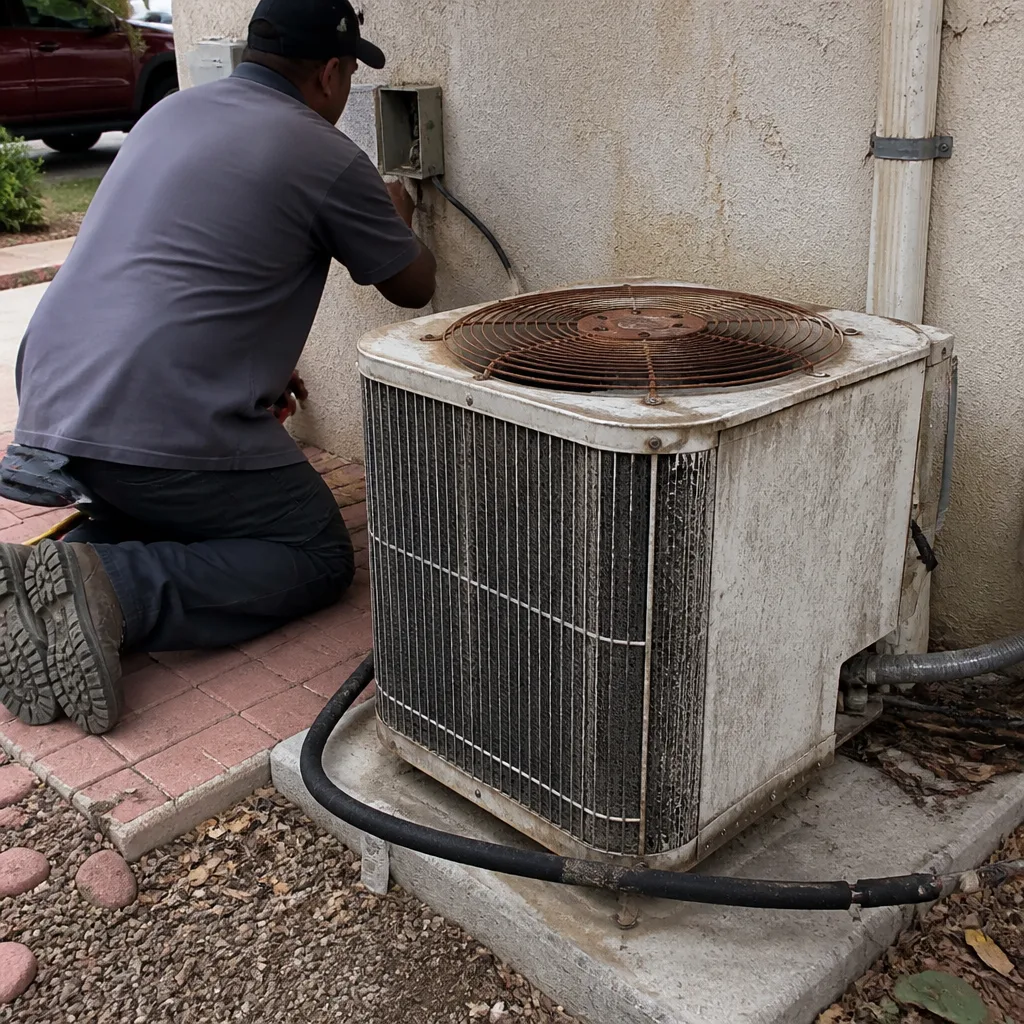 Before
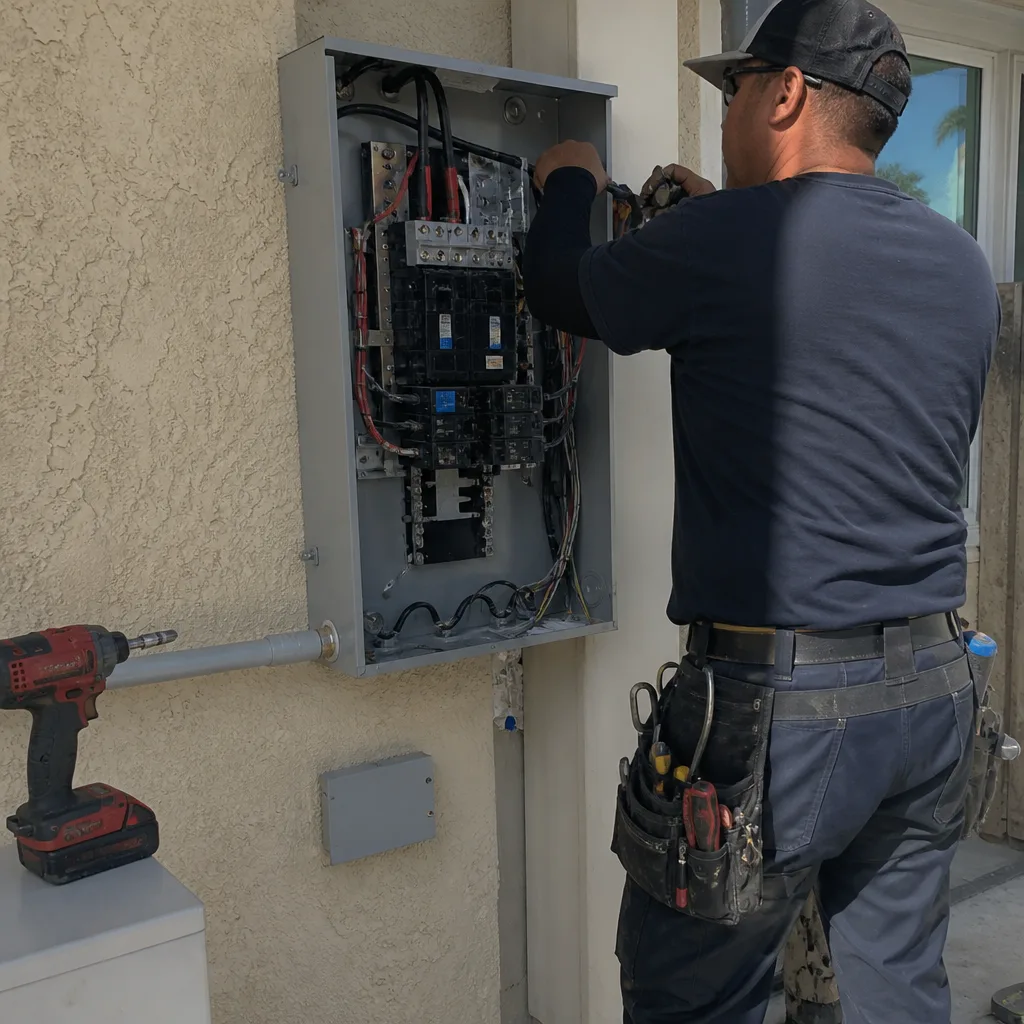 After
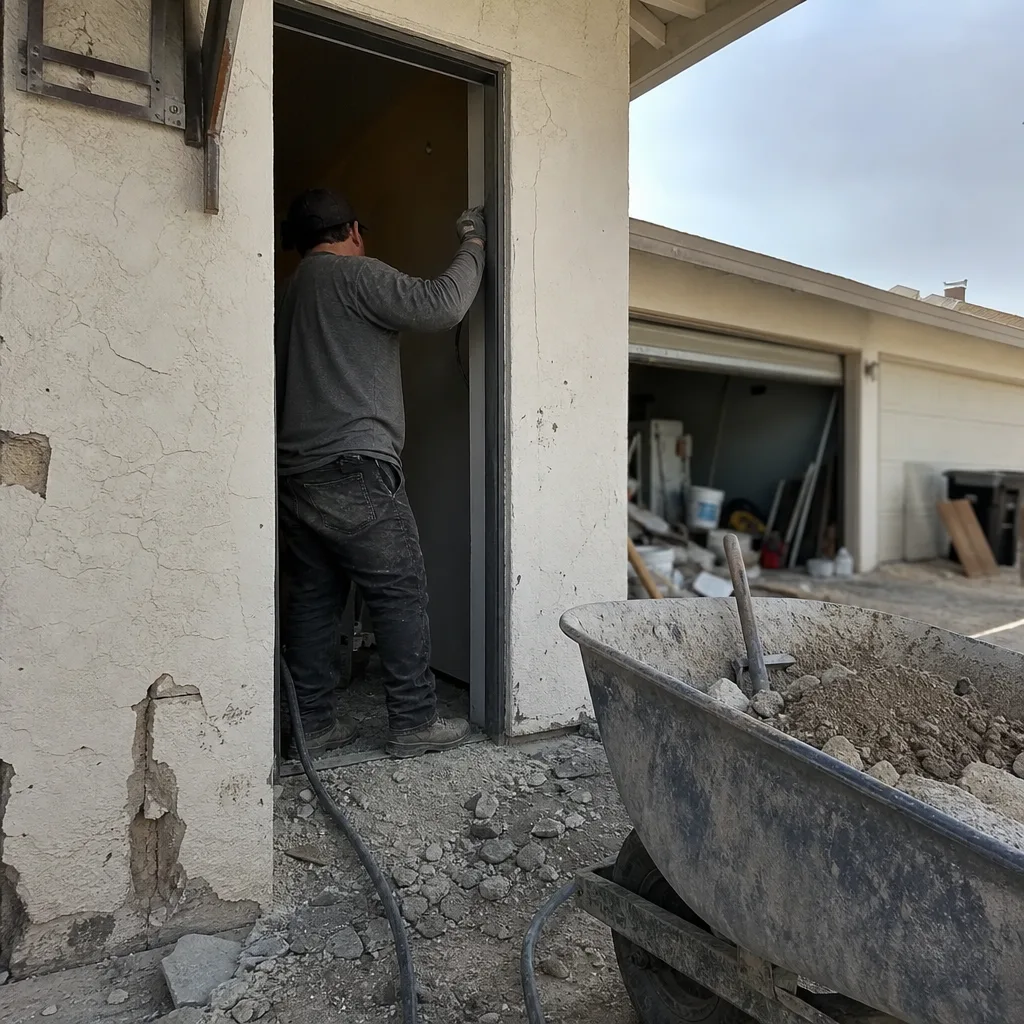 Before
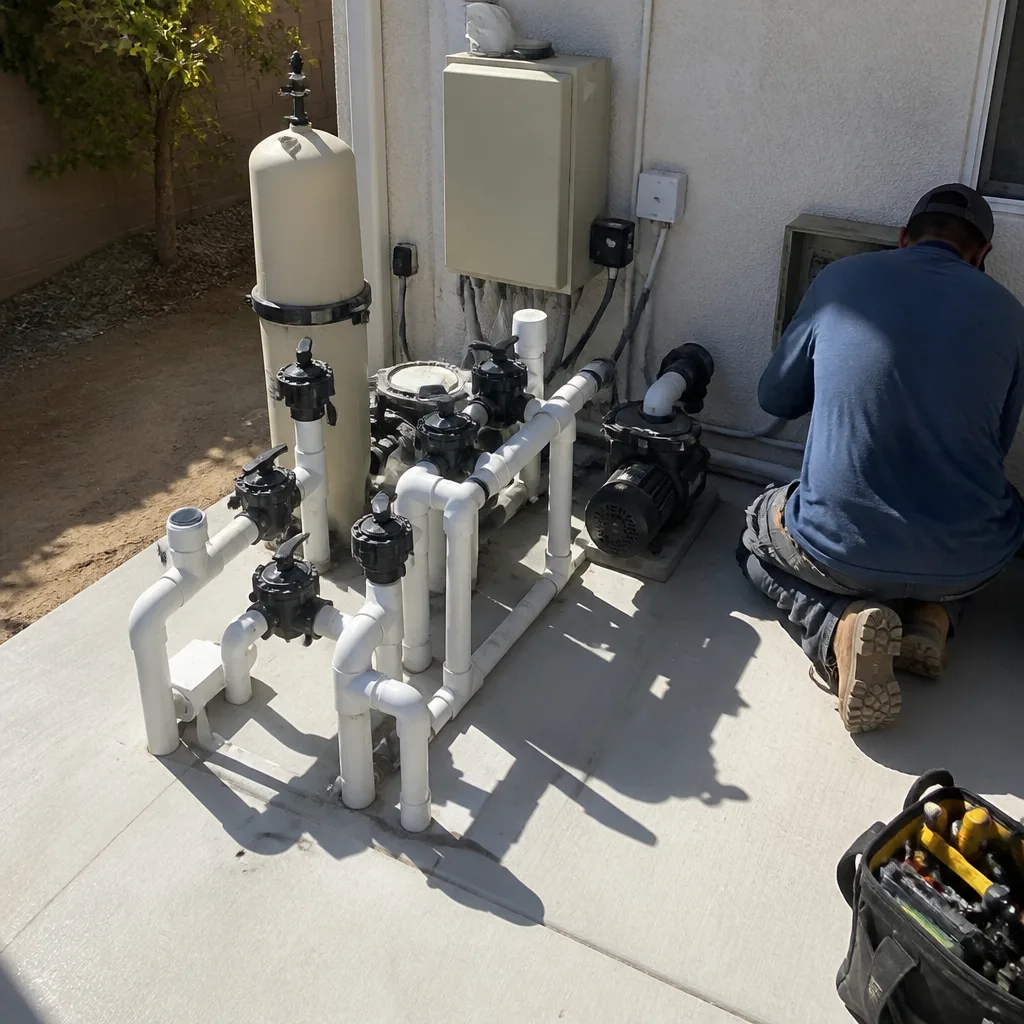 After
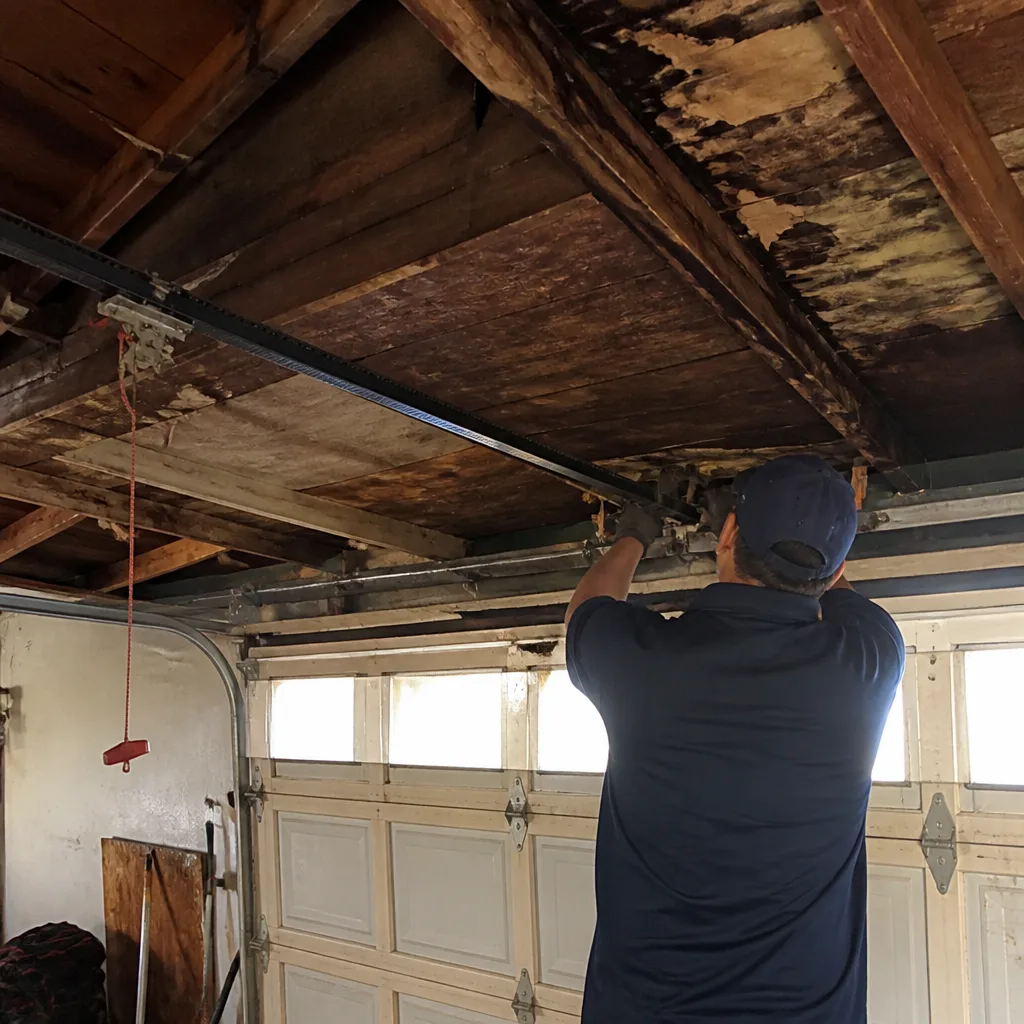 Before
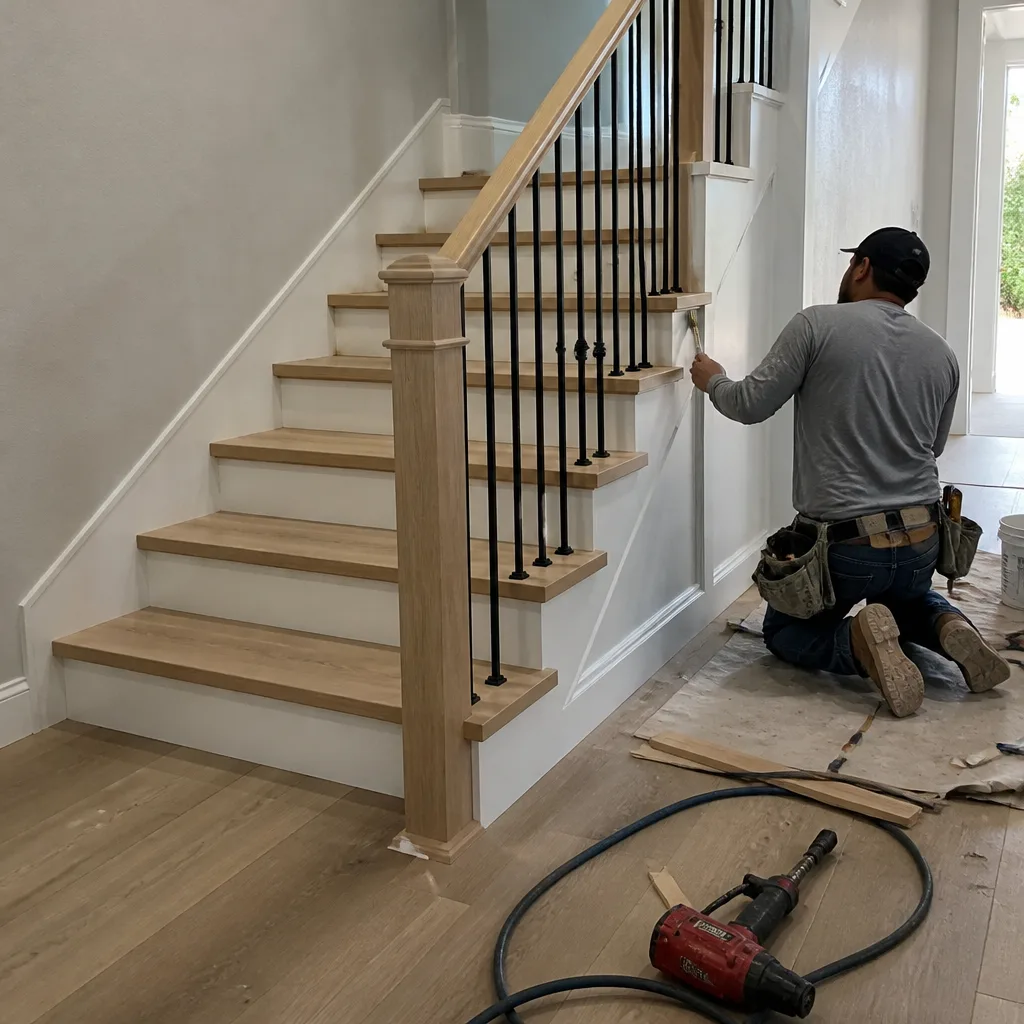 After
When to Call a Professional
This guide is designed to help you hire, not to help you build. Some scopes, like painting an interior wall or replacing a faucet, are DIY territory. Others are not. If your project involves structural changes, roofing, electrical panel work, gas line relocation, or anything requiring a permit in Indio, call a professional before you begin. This is not about preserving contractor market share. It is about not discovering a load-bearing wall the hard way. Briar Contractors offers free estimates in Indio, call (833) 467-4442 to talk through your project scope and get an honest read on whether it is a hire or a DIY.
Frequently Asked Questions
Go to the CSLB website, enter the license number or the contractor’s name, and check that the license is active, the classification matches your project scope (B General for multi-trade work), workers’ comp is on file if they have employees, and no disciplinary actions are listed. Cross-check that the business name on the license matches the name on your contract.
Costs vary by project scope, but as a reference point, kitchen remodels in the Coachella Valley typically run $35,000 to $90,000, bathroom remodels $18,000 to $45,000, and additions $250 to $450 per square foot depending on finish level and site conditions. Site conditions in Indio, like caliche excavation or existing stucco remediation, can move these numbers meaningfully. Call (833) 467-4442 for an exact quote, estimates are free.
Ask about caliche excavation experience, thermal expansion joint spacing for concrete, Title 24 Climate Zone 15 compliance, cool-roof product specifications, and how they schedule work around summer heat. A contractor who answers these questions with specifics has built in Indio. A contractor who answers in generalities has not.
Local matters for the subs as much as the contractor. Subs based in the Coachella Valley know the soil, the heat, the inspection offices, and the material performance realities of Indio better than crews commuting from Riverside or San Bernardino. A local contractor is also easier to hold accountable when the project needs follow-up.
California law caps residential construction deposits at 10% of the contract price or $1,000, whichever is less. Any contractor asking for more than that before work begins is violating state law. Progress payments should be tied to inspection milestones, not calendar dates.
With a properly detailed contract with named material specifications, price changes should be limited to change orders that you approve in writing before the work proceeds. If the contract is vague, change orders become a constant. Read the bid, name the materials, and price changes stay within your control. Call (833) 467-4442 if you want a line-item bid reviewed before you sign anywhere.
The Bottom Line
Hiring a construction contractor in Indio is not a checkbox exercise. It is a sequence of filters designed to separate contractors who know Coachella Valley conditions from contractors who are learning them on your dime. Verify the license and read the classification. Walk the site and ask about caliche, expansion joints, and Climate Zone 15. Read the sub list and confirm local crews. Demand named material specs and milestone-based payments. Interview the contractor like the decision-maker you are, because you are. The contractor that survives this process is worth the signature. The contractor that resists it was never worth your money. For a deeper look at how we approach full-scope work in Indio, start at Briar Contractors home, or explore our Home Remodeling in Indio and Home Renovation in Indio pages. When you are ready to talk specifics, call (833) 467-4442 for a free estimate.
Written by the team at Briar Contractors, serving Indio since 2018.