
Last updated October 30, 2026
 Home additions & ADU
 Kitchen remodeling
 Bathroom remodeling
 Roofing
 Windows & doors
 Driveway & pavers
 Fence
Free written scope consultation - allowances, timeline, and change-order rules on paper before a single trade is scheduled
DIY vs Professional Construction: The Indio Homeowner’s Decision Guide
A homeowner can correctly install a ceiling fan in Cleveland and incorrectly install the same fan in Indio. The wiring is identical. The fan is identical. But the attic above that fan hits 140°F in July, and the junction box and mounting hardware were never rated for sustained heat like that. The fan sags. The box loosens. Two summers later, the fan wobbles and the homeowner is replacing a fixture they “saved” four hundred dollars on by doing themselves. This guide draws the line between DIY and professional work based on consequence, not complexity. You’ll learn which Indio projects fail silently when done wrong, which ones any competent homeowner can take on, and how to structure a hybrid project that gets quality results without paying for labor you don’t need. For how to hire a construction contractor in Indio: a step-by-step guide, see our companion resource.
Quick Answer
In Indio, the DIY-vs-professional decision comes down to consequence, not skill. Projects touching your home’s envelope, concrete, roofing, stucco, or anything requiring a City of Indio permit generally warrant a General Contractor in Indio because desert-specific failure modes compound silently for years. Finish work, interior demo, painting, and low-height hardscape are legitimately DIY territory for most homeowners, provided you understand which systems are climate-neutral and which are not.
Styles & brands we work with
Table of Contents
- The Desert-Consequence Test: How Indio Changes the Math
- Permit-Required Work: What Indio Makes Legally Difficult for DIY
- Systems That Fail Silently in the Desert: Stucco, Concrete, and Roofing
- What a Competent DIYer Can Actually Take On in Indio
- How to Structure a Hybrid Project With a General Contractor
- The Real Cost of DIY Rework in Indio
- When Contractor Selection Is the Difference Between Right and Wrong
The Desert-Consequence Test: How Indio Changes the Math
The standard DIY advice you find online assumes a temperate climate. It was written by homeowners in Ohio and bloggers in Seattle. Indio is a different animal. Our summer temperatures routinely exceed 110°F. Attic spaces hit 140°F or more. UV radiation is relentless. Humidity swings from single digits to monsoon-season spikes. Thermal expansion and contraction cycles happen daily, not seasonally. All of this means one thing: mistakes that would be cosmetic elsewhere become structural here.
Here’s the test we use when homeowners ask whether a project is DIY-appropriate. Ask yourself two questions:
Question one: If I get this wrong, does the failure reveal itself immediately or does it compound quietly for years before becoming expensive?
Question two: Does this project touch a system where Indio’s climate creates a failure mode that a general how-to video does not account for?
If the answer to either is “quietly” or “yes,” the project belongs with a professional. Here’s what that looks like in practice:
- Ceiling fan installation: Climate-neutral if you use a fan rated for high ambient temperatures and mount it to a fan-rated box. Climate-sensitive if you buy whatever is on sale at the big-box store and assume all fans are created equal. Most DIYers fail here because nothing on the box tells them the difference.
- Interior painting: Largely climate-neutral. Paint dries faster in Indio’s heat, which means you need to work in smaller sections and avoid painting in direct sun exposure, but the failure mode is cosmetic and immediate. You’ll see it and fix it.
- Concrete flatwork: Deeply climate-sensitive. Hot-weather concrete loses moisture fast. If you do not account for hydration rates, you get surface crazing, spalling, and weakened compressive strength. The patio looks fine for two years. Then it does not.
- Fence post installation: Moderate. Wind loads in Indio’s gusty springs matter. A 4-foot post hole for a 6-foot fence in sandy soil is a lean waiting to happen. Get depth and concrete right and you are fine. Get it wrong and the fence leans by next March.
- Stucco patch and repair: Deeply climate-sensitive. Stucco applied in high heat without proper curing control cracks within days. Matching texture and color on a patch is a skill that takes years. The patch is visible forever.
What we have learned from years of walking through Indio homes is that the projects that go wrong are rarely the ones homeowners think will go wrong. The wallpaper removal goes fine. The ceiling fan does not. The baseboard painting goes fine. The stucco patch does not. The difference is almost always whether desert conditions apply to the system in question.
Permit-Required Work: What Indio Makes Legally Difficult for DIY
The City of Indio requires permits for a wide range of residential work. Homeowners who attempt permitted work without pulling permits create a problem that outlives the project itself. The issue is not just the fine. It is the resale disclosure, the insurance denial, and the unpermitted addition that a buyer’s lender refuses to finance.
Here is what homeowners need to understand about Indio’s owner-builder rules specifically. California law allows a property owner to act as their own general contractor on work at their own residence. You can pull an owner-builder permit. The City of Indio allows this. But there is a catch that most homeowners do not learn until it bites them.
An owner-builder declaration means you are legally assuming the role of general contractor. You are responsible for code compliance, for worker safety, for scheduling inspections, and for any substandard work. If you hire unlicensed workers while acting as an owner-builder, you are on the hook for injuries on the jobsite and for payroll taxes you did not think to withhold. Your homeowner’s insurance likely does not cover construction-site injuries. Many policies explicitly exclude owner-builder work.
The consequences compound at resale. California law requires sellers to disclose unpermitted work. Buyers routinely walk away from homes with unpermitted additions or significant unpermitted modifications, especially in a market where inventory is available. Lenders will not finance a home with significant unpermitted square footage. You end up doing the permitted work anyway, plus paying to fix whatever was done wrong, plus disclosing the whole mess to the buyer.
Permits in Indio are not a suggestion. They exist because the building code exists, and the building code exists because failures happen when people skip steps. The permit process is an inspection process. Inspections catch errors before they are buried behind drywall or stucco. That is the point. When a homeowner skips the permit to save money, they are skipping the error-catching step. In a climate where errors compound, that is a bad trade.
The practical takeaway: if the project requires a permit in Indio, the project requires professional management. That does not mean you cannot participate. You can do the demo. You can do the painting. You can do the finish work. But the systems that require permits (structural, electrical, plumbing, mechanical, roofing) are the systems where desert failure modes are most expensive. That is not a coincidence. That is why they require permits. For a deeper look at what goes wrong and how professionals prevent it, see our General Contractor Troubleshooting: Common Problems and How to Fix Them.
Systems That Fail Silently in the Desert: Stucco, Concrete, and Roofing
Three systems in Indio homes deserve special attention because they fail quietly. The homeowner does not know anything is wrong until the repair is expensive. Each of these systems has a desert-specific failure mode that general DIY knowledge does not cover.
Stucco application in high temperatures. Stucco is cement-based. Cement cures through hydration, a chemical reaction that requires water. In Indio’s summer heat, water evaporates from fresh stucco faster than the cement can use it. The result is a weak, crumbly surface layer that cracks within days of application. Professional stucco crews in Indio work early mornings, use curing compounds or wet-curing methods, and manage the mix differently than crews in coastal climates. A DIY stucco patch applied in July at 2 p.m. is going to crack. It is not a skill issue. It is physics. The homeowner reads the instructions on the stucco mix bag and follows them exactly. The bag does not account for 112°F ambient temperatures and single-digit humidity. The professional does.
Concrete flatwork in summer. The same hydration principle applies to concrete. Concrete that cures too fast loses strength. It also shrinks unevenly, which creates surface cracks. Professionals in Indio pour concrete early in the morning, use retarders and hydration stabilizers in the mix, and often cover the slab with curing blankets or keep it wet for days after the pour. Amateurs pour in the afternoon because that is when they have time. The slab looks fine. It is not fine. Compressive strength is compromised. Two years later, a heavy section of patio cracks under a load it should have handled easily. The homeowner blames the concrete. The problem was the curing.
Roofing membrane installation. Indio’s combination of intense UV exposure, summer heat, and occasional monsoon-season wind and rain makes roofing one of the most consequential systems in the home. Roofing membranes, underlayment, and flashing all have specific installation requirements that vary by manufacturer and by climate zone. CertainTeed, GAF, and Owens Corning all publish installation specifications. Following the generic installation instructions is not enough. The membrane must be installed in the correct temperature range, with the correct fastening schedule, with the correct seam overlap. A roof installed in July when the membrane is so hot it stretches will look fine in October. It will fail in the first strong wind event because the seams were not properly sealed. We have seen this exact failure in Indio neighborhoods from La Quinta Cove to the area around Shadow Hills. The homeowners cannot see the problem and neither can the neighbors. The problem reveals itself in the middle of a monsoon storm, when the roof is suddenly not a roof anymore.
These three systems share a common thread: the failure is invisible at the time of installation. The work looks done. It is not done right. In a temperate climate, the margin for error is wider. In Indio, the margin is narrower than homeowners assume. The difference between right and wrong is sometimes a specific curing compound, a specific fastening schedule, or a specific temperature threshold. That knowledge is not in a YouTube video. It is in years of working in this climate.
What a Competent DIYer Can Actually Take On in Indio
Some projects are genuinely DIY-friendly in Indio. The climate does not meaningfully change the outcome, the failure mode is cosmetic and immediate, and the tools and skills required are within reach of a homeowner who is willing to be careful. Here is a realistic list of what you can do yourself to reduce overall project cost.
- Interior demolition. Removing cabinets, drywall, flooring, and non-structural walls is labor-intensive but straightforward. The key is knowing what is structural and what is not. If you are not sure, ask before you swing the sledgehammer. A general contractor can walk the site with you and mark what stays and what goes. Demo saves real money because it is mostly labor, and labor is the largest line item on any Home Remodeling in Indio project.
- Interior painting. Indio’s low humidity helps paint dry fast. The catch is that fast drying means you need to maintain wet edges while cutting in. Work in the early morning before the house heats up. Use quality paint. This is one of the easiest ways to save money on a remodel without compromising the result.
- Finish carpentry. Installing baseboards, crown molding, window trim, and door casings is detail work that requires patience more than experience. The materials are affordable enough that a mistake is not a financial disaster. A miter saw and a nail gun get you most of the way there.
- Hardscape under 30 inches. In California, landscape features and hardscape elements under 30 inches in height generally do not require a building permit in most jurisdictions, including Indio. A small paver patio, a walkway, or a low garden wall is DIY territory provided you get the base prep right. The failure mode is cosmetic. If a paver settles, you lift it and re-level it. The stakes are low. For larger hardscape projects, working with a contractor who sources Belgard or Unilock pavers gives you better material options than the big-box store, but a modest DIY patio is reasonable.
- Fixture replacement. Swapping out a faucet, a light fixture, or a toilet is well within DIY territory. These are water and electrical connections, so turn off the supply lines and the breaker before you start. But the work itself is accessible, the failure mode is immediate (a leak or a non-working fixture), and the fix is usually obvious. No desert-specific knowledge required.
- Landscape planting and irrigation adjustments. Indio’s climate means plant selection matters, but the act of planting is climate-neutral. Irrigation adjustments are also DIY-friendly once you understand your controller. The system either waters the plants or it does not. You can see the result.
The pattern here: DIY is appropriate when the failure is visible, the fix is accessible, and the climate does not change the outcome. If all three conditions hold, go do it. If any one fails, the economics of hiring a professional start to make sense.
How to Structure a Hybrid Project With a General Contractor
The binary framing of “DIY or hire a pro” is a false choice. The most common structure we see on successful Indio projects is a hybrid: the homeowner does the work they are good at, and the contractor handles everything else. The key to making a hybrid work is structuring the scope correctly from the start. Here is how to do it. For a complete breakdown of seasonal maintenance tasks, see our General Contractor Maintenance Checklist for Indio Homeowners.
- Define the full scope up front. Before any work starts, list every piece of the project. Demo, rough framing, electrical, plumbing, drywall, tile, paint, finish carpentry, hardware. If you wait until mid-project to decide you want to paint the bedrooms yourself, you will disrupt the contractor’s schedule and nobody will be happy. Decide early.
- Agree on who does what, in writing. The contract should specify exactly which tasks are the homeowner’s responsibility and which are the contractor’s. There should be a line for each. This protects both parties. If the homeowner’s painting is holding up the contractor’s trim installation, the contract should address how that gets resolved.
- Sequence homeowner work after contractor work. The contractor’s work should happen first in most cases. Demo first, then rough systems, then drywall, then the homeowner paints, then the contractor installs trim and cabinets. This reduces the chance that homeowner work gets damaged or that contractor work is delayed waiting on homeowner work.
- Be realistic about your own schedule. The most common hybrid project failure is the homeowner who commits to painting the entire house in two weekends and then takes six weeks. The contractor’s schedule does not pause while you catch up. If you are honest about your time, the plan works. If you are optimistic, the plan collapses.
- Let the contractor handle anything that requires a permit or a licensed trade. Electrical, plumbing, structural, mechanical, and roofing work all require permits and licensed tradespeople. That is not DIY territory, and in Indio the consequences of getting those systems wrong are expensive. Do the finish work. Leave the systems to the professionals.
A well-structured hybrid project can save real money. But the savings come from the homeowner doing real work, not from the homeowner supervising trades they don’t understand. Volunteer to paint. Do not volunteer to run electrical. The line is the permit line. Everything on the contractor’s side of that line is their responsibility. Everything on your side is your savings.
The Real Cost of DIY Rework in Indio
The DIY cost-benefit calculation usually considers labor savings. It rarely considers the cost of getting it wrong. In Indio, getting it wrong is more expensive than homeowners expect, and not just because of material costs.
First, there are re-permit fees. If you pull an owner-builder permit for a project and the work fails inspection, you pay to have the work corrected and you pay the re-inspection fee. The City of Indio charges for each inspection. Multiple failures mean multiple fees. That is the direct cost. The indirect cost is the inspection scheduling delay. Indio’s building department, like most desert cities, has a constrained inspection schedule during the busy season. A failed inspection can set a project back weeks, not days.
Second, there is material replacement at current desert-market pricing. If you botch a stucco patch, you buy more stucco. That is cheap. If you botch a roofing membrane installation, you buy more membrane. That is not cheap. And in Indio, roofing materials are priced to the desert market. You are not paying Ohio prices. You are paying Indio prices, which reflect shipping, seasonality, and demand. Redoing a roofing section you already paid for once doubles the material cost of that section.
Third, there is the cost of the failure itself. A ceiling fan that falls out of the ceiling damages whatever is below it. A poorly cured concrete slab that cracks needs replacement, and concrete removal and re-pour is one of the more expensive residential projects. A stucco patch that fails lets moisture behind the stucco, which leads to drywall damage, which leads to mold, which leads to remediation. The $300 you saved on DIY stucco becomes a $3,000 remediation bill. We have seen exactly this sequence play out in Indio homes.
Fourth, there is the resale cost. Unpermitted work disclosed at sale reduces the sale price. Unpermitted work not disclosed opens you to legal liability. A buyer’s inspector flags the unpermitted addition, the lender refuses to finance, the deal falls through, and now the listing is tainted. Every future buyer knows there was a problem. The house sits. You eventually sell for less than you would have if you had done the work properly in the first place.
The honest math: DIY saves money when you are doing appropriate DIY work. It costs money when you are doing work that should have been done by a professional. The line between those two categories is exactly what this guide is about. For more guides & resources on Indio home projects, explore our blog.
When Contractor Selection Is the Difference Between Right and Wrong
Hiring a professional does not automatically solve the desert-expertise problem. A contractor who does most of their work in Los Angeles or San Diego may not know Indio’s climate-specific requirements either. The question is not just “professional or DIY.” The question is “does this professional know the desert?”
Contractor selection matters most on the systems we flagged earlier: stucco, concrete, roofing, and anything involving the home’s envelope. A roofer who primarily installs in coastal California may never have dealt with the sustained heat and UV of an Indio summer. A concrete subcontractor who learned in the Inland Empire may not adjust the mix for Indio’s specific hydration challenges. The homeowner who hires the cheapest bid is often hiring inexperience with this climate without realizing it.
Here is what to ask any contractor you are considering for a significant Indio project:
- What work have you completed in the Coachella Valley, specifically? Not “in Southern California.” In the low desert. Indio, La Quinta, Coachella, Thermal. Work in Palm Springs counts. Work in San Bernardino is a different climate.
- How do you handle summer concrete pours? If they do not immediately talk about time of day, retarders, curing control, or hydration, you are talking to someone who will pour you a slab that fails early.
- What roofing system do you recommend for Indio’s UV exposure and monsoon season? A contractor who cannot discuss the tradeoffs between GAF, CertainTeed, and Owens Corning products for this specific climate is a contractor who will install whatever is cheapest and move on.
- Who pulls the permits? The contractor should. If the contractor suggests you pull an owner-builder permit for work they are doing, walk away. That is a red flag that they are not licensed or not willing to stand behind the work.
The advantage of working with a Home Renovation in Indio contractor who knows the desert is that the knowledge questions are already answered. You do not have to interview a roofer to determine if they understand Indio’s monsoon season. You do not have to quiz a concrete subcontractor about hydration rates. The contractor has already vetted the trades and knows the systems. When Briar Contractors oversees a project, from a kitchen remodel with KraftMaid cabinetry to a full exterior renovation with James Hardie siding, the climate-specific decisions have already been made by someone who works in this climate every day.
The brand names matter because brand names come with manufacturer specifications. A contractor who sources Cambria countertops, CertainTeed roofing, and PGT windows is working with materials that have documented installation requirements. The contractor’s job is to follow those requirements in Indio’s conditions. That is the difference between a contractor who installs what is cheapest and a contractor who installs what is correct. You are not paying for the brand name. You are paying for the knowledge of how to install it correctly in this climate.
Common Mistakes to Avoid
- Assuming YouTube knowledge transfers to Indio conditions. The video was probably filmed in a temperate climate. The drywall techniques transfer. The concrete curing requirements do not. Check the climate before you check the comments.
- Skipping permits because “it’s my house.” It is your house until you sell it. Then it is the buyer’s lender’s problem, and the deal dies. Permits exist to verify that work meets code. Code exists because failures happen. In Indio, failures happen faster.
- Pouring concrete or applying stucco in the afternoon during summer. Hydration failure is not a theory. It is a chemical process that happens when water leaves the mix too fast. Professionals pour in the early morning. DIYers pour when they have time. The results differ accordingly.
- Doing electrical or plumbing work without a license and a permit. Insurance companies deny claims for damage caused by unpermitted, unlicensed work. That includes water damage from a DIY plumbing failure. The money you saved on the plumber will not cover the remediation.
- Volunteering for too much in a hybrid project and missing the schedule. The contractor’s schedule does not bend around your weekend painting timeline. If you commit to DIY work, treat it like the contractor treats their work: with a deadline. If you cannot meet the deadline, pay the professional to do it.
- Buying the cheapest materials at the big-box store and assuming they are equivalent. They are not. A $40 ceiling fan is not rated for a 140°F attic. A cheap paver is not manufactured to the same tolerance as a Belgard or Unilock product. Material quality shows up on day one in some cases and year five in others.
- Ignoring the owner-builder legal responsibilities. Pulling an owner-builder permit makes you the general contractor in the eyes of California law. You are responsible for worker safety, payroll withholding, and code compliance. Most homeowners do not understand this until there is a problem.
See the difference
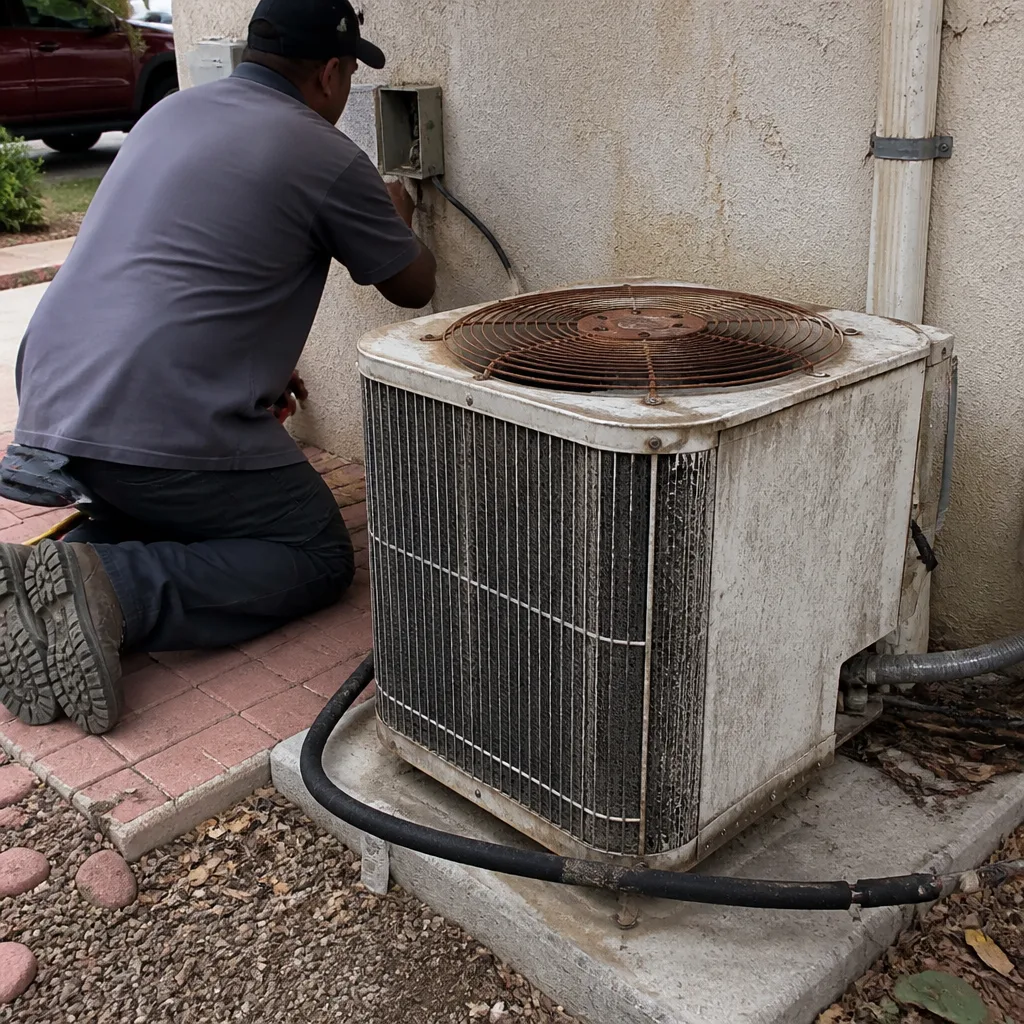 Before
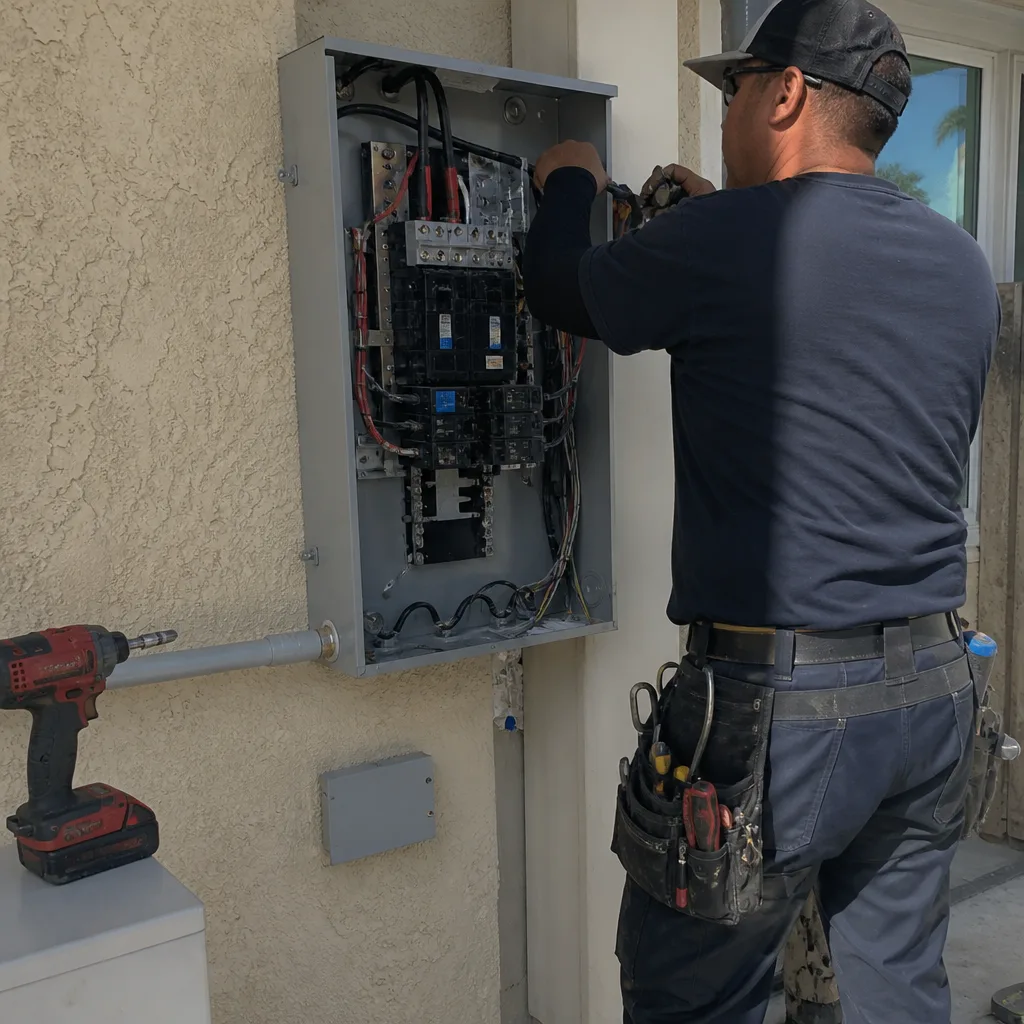 After
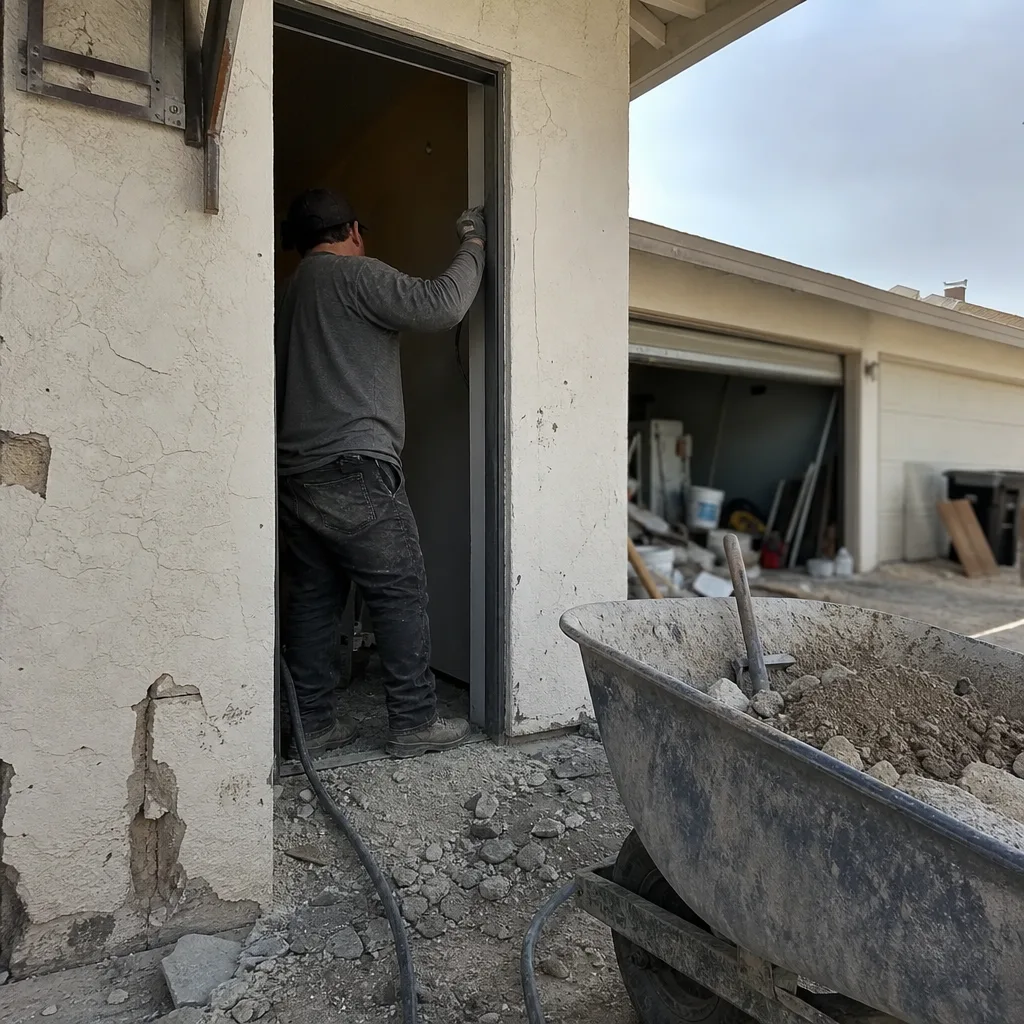 Before
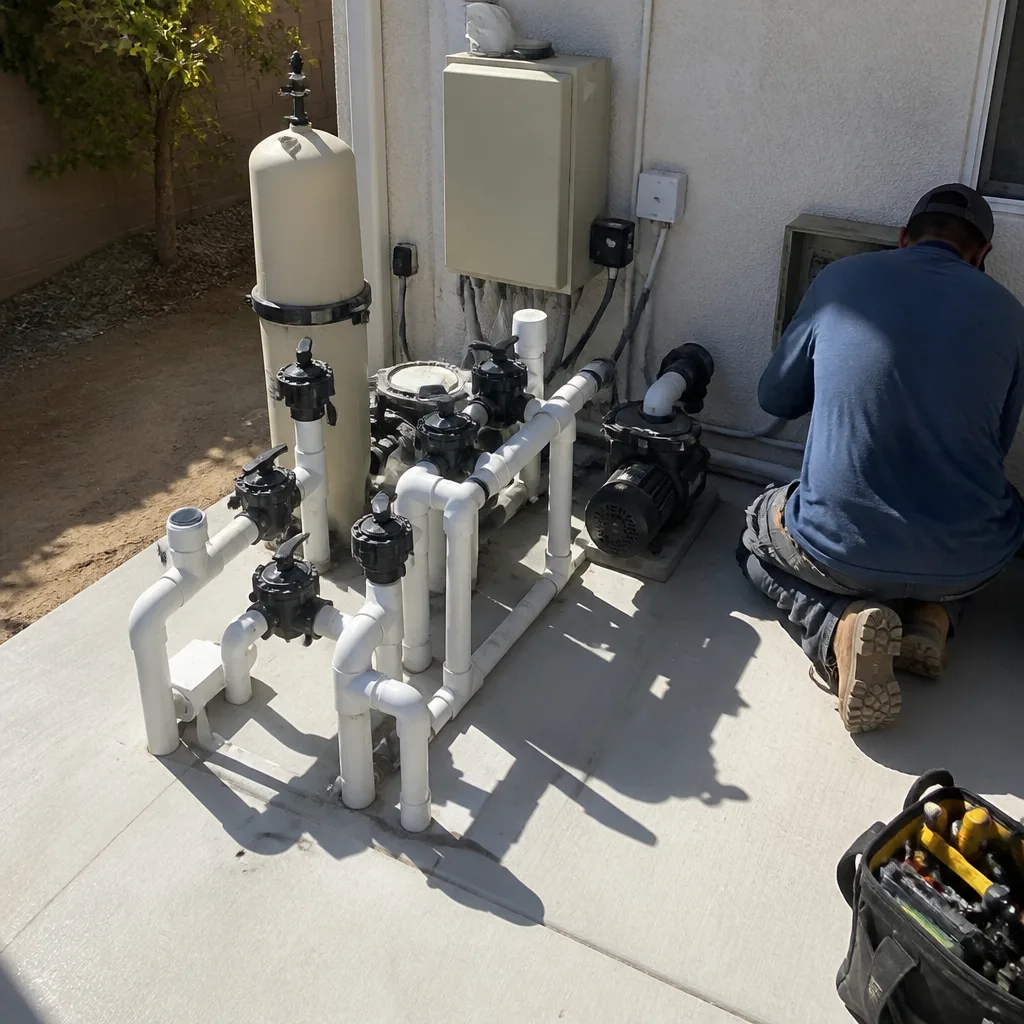 After
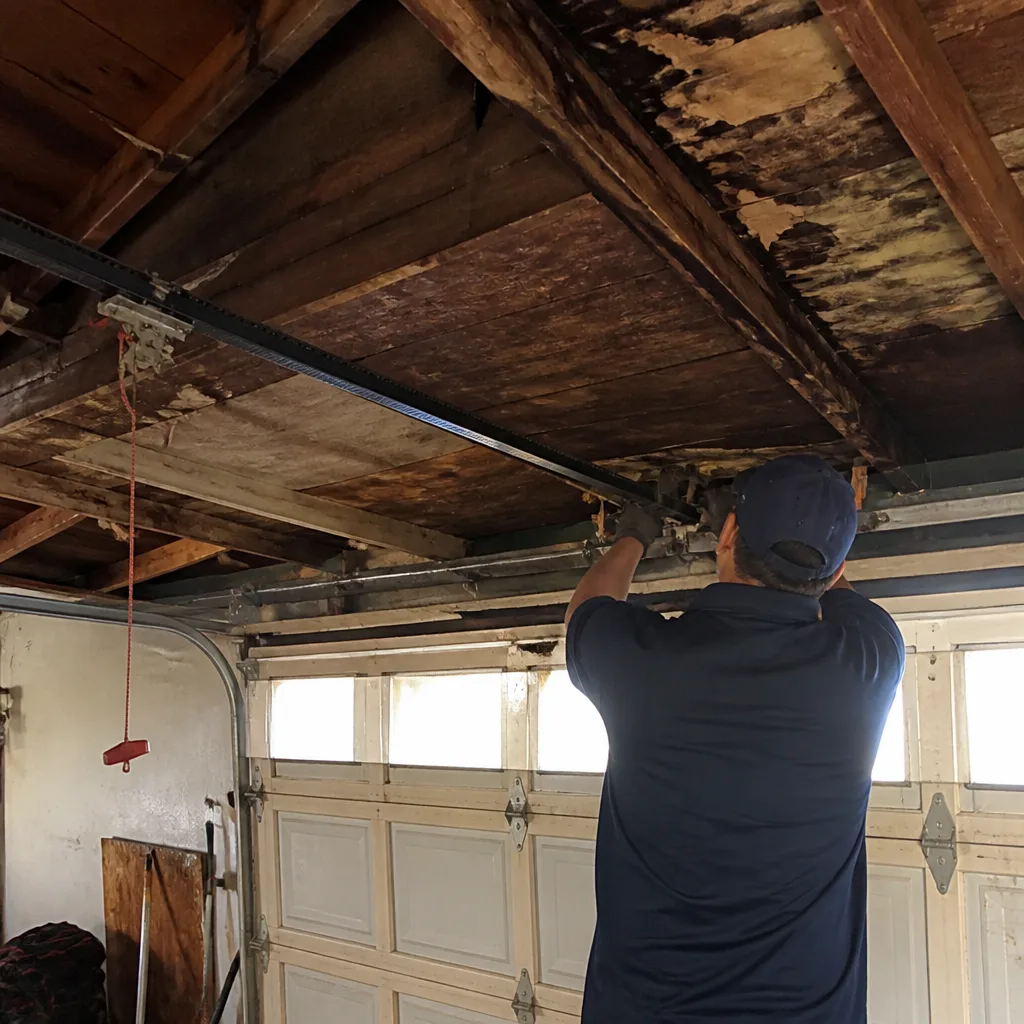 Before
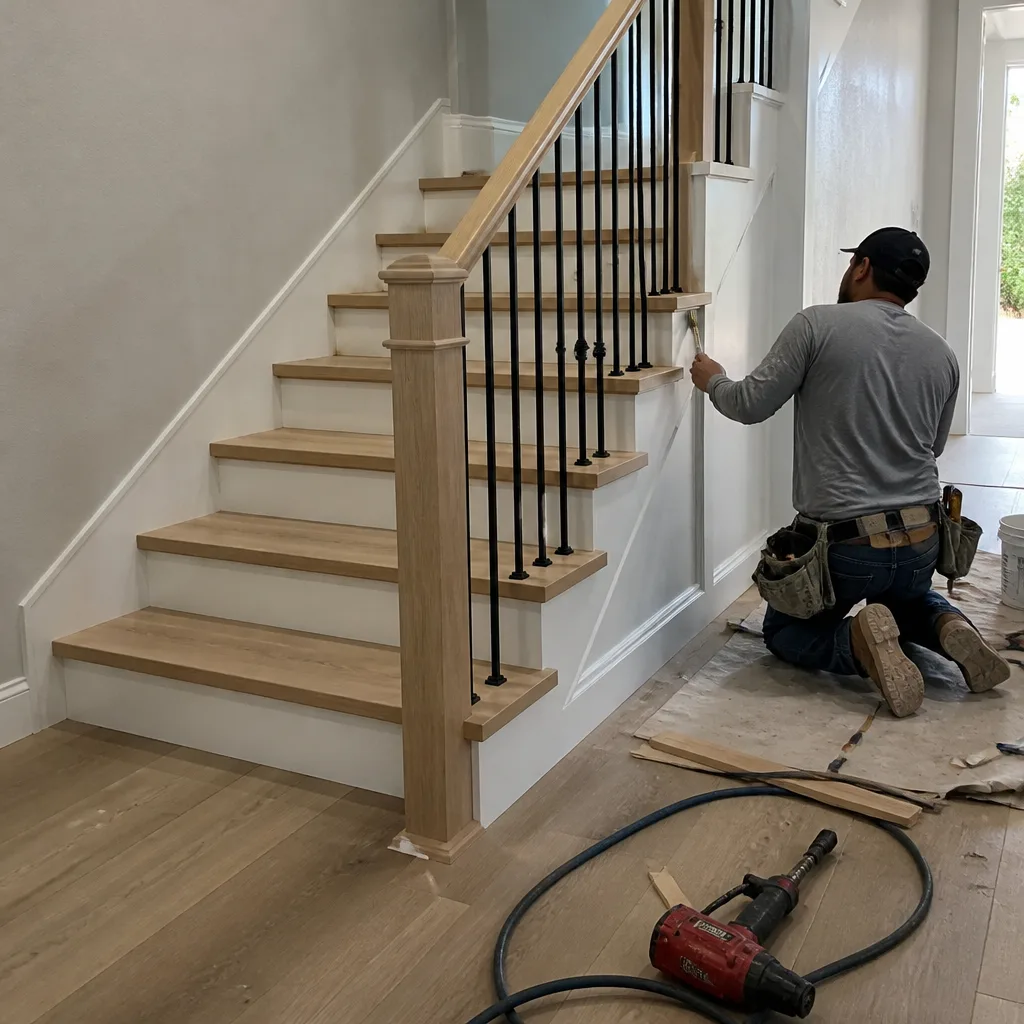 After
When to Call a Professional
Call a professional when the project touches any permitted system: structural, electrical, plumbing, mechanical, or roofing. Call a professional when the project involves concrete flatwork, stucco application, or anything on your home’s exterior envelope where desert conditions affect the outcome. Call a professional when the failure would be invisible at installation and expensive when discovered. Call a professional when the project requires a permit and you do not want to assume owner-builder legal liability. Call a professional when you have already tried the DIY version and it failed, because the second attempt costs more than the first attempt would have cost if done correctly. Briar Contractors offers free estimates in Indio. Call (833) 467-4442 to schedule yours, and we will walk the project with you and tell you honestly what is DIY territory and what is not.
Frequently Asked Questions
General contractor fees in Indio typically range from 15% to 25% of the total project cost, depending on scope and project complexity. For a $50,000 kitchen remodel, the contractor fee is around $7,500 to $12,500. That fee covers project management, trade coordination, materials sourcing, permit handling, and scheduling. The percentage is lower for large projects and higher for small ones. Call (833) 467-4442 for an exact quote on your project – estimates are free.
Yes, California law allows owner-builder permits for work on your own residence, including in Indio. But acting as your own general contractor means you assume legal responsibility for code compliance, worker safety, and construction quality. You also assume the financial risk of substandard work. Most homeowners underestimate the time and knowledge required to manage trades effectively. The savings evaporate quickly when a scheduling error costs two weeks of idle time.
Permits are required in Indio for structural work, electrical work, plumbing work, mechanical (HVAC) work, roofing replacement, water heater replacement, window and door replacement that changes the opening size, and any addition or modification to the building envelope. Finish work like painting, flooring, trim, and cabinet replacement generally does not require a permit. Check with the City of Indio Building Department for your specific project. A licensed contractor will know which permits apply and will pull them for you.
A full home remodel in Indio typically takes 4 to 8 months from permit approval to final inspection, depending on scope. Kitchen remodels run 6 to 12 weeks. Bathroom remodels run 4 to 8 weeks. Whole-home renovations run longer. The permitting timeline varies by project complexity and the City of Indio’s current turnaround, which is typically 2 to 6 weeks for a standard remodel permit. If you are planning a project, start the permit conversation early.
DIY is cheaper only when the work is appropriate for DIY. Finish painting, interior demo, trim installation, and small hardscape projects save real money. Concrete, stucco, electrical, plumbing, and roofing work done DIY often costs more than hiring a professional once you account for rework, re-permit fees, material replacement, and the cost of fixing hidden failures. The savings are real on the finish line. The losses are real on the systems.
Look for a contractor with specific Coachella Valley experience, not just general Southern California experience. Ask about their approach to summer concrete pours, to monsoon-season roofing installation, and to stucco application in high heat. Ask who pulls the permits and whose name is on the insurance. Ask for local references in Indio, La Quinta, or Coachella. A contractor who can speak specifically about desert failure modes is a contractor who has dealt with them. A contractor who talks only in generalities has not.
The Bottom Line
The DIY-vs-professional decision in Indio is a consequence calculation, not a skill assessment. A competent homeowner can do finish work, interior demo, painting, and small hardscape projects. A competent homeowner cannot do permitted systems, climate-sensitive materials installation, or anything where a mistake compounds silently for years. The line is not about how handy you are. It is about what the desert does to mistakes, and how expensive those mistakes become when they finally surface. Do the work you are genuinely equipped to do. Hire professionals for the rest. Call (833) 467-4442 to schedule a free estimate and find out which side of the line your project falls on.
Written by the team at Briar Contractors home, serving Indio since 2018.